




















Companies
Vestas Plans Offshore Wind Turbine Facility in Scotland
Vestas has unveiled plans for a wind turbine facility in the United Kingdom, aimed at addressing rising offshore wind demand across the UK and Europe....
Asia
Emerging Role of Pumped Hydro in India’s Power Transition
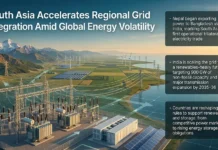
India’s renewable transition is rapidly shifting the economics of its power system. Solar capacity additions are accelerating as the country moves towards 500 GW...
Companies
Perkins Overhaul Kits Enhance 4000 Series Engine Service
Perkins has introduced Perkins overhaul kits aimed at simplifying maintenance for its 4000 Series diesel engines, widely used in generator sets for prime and...
Asia
Geo Energy MBJ Integrated Infrastructure Hits 80% Completion
Geo Energy Resources Limited reported that its MBJ Integrated Infrastructure project has reached an 80% construction milestone, placing it on schedule for completion by...
Asia
Socomec Boosts Power Management Solutions with New Launch
Socomec has introduced its latest MASTERYS GP4 UPS and ATyS a M Automatic Transfer Switch, expanding its portfolio of power management solutions aimed at...
America
NextEra Energy 10 GW Gas Power Expansion Approved in U.S.
NextEra Energy has received approval from the U.S. president to move ahead with a major gas power expansion, enabling the development of up to...
Europe
UK Solar Sector Set for Growth Under Future Homes Standard
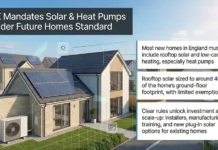
The UK government has confirmed new building regulations that will require solar panels and low-carbon heating systems, particularly heat pumps, in most new homes...
Subscribe
- Never miss a story with notifications
- Gain full access to our premium content
- Browse free from up to 5 devices at once
Must read