




















Close
MCE 2026
World Hydrogen & Carbon Americas

DECC issues solar PV roadmap

Note* - All images used are for editorial and illustrative purposes only and may not originate from the original news provider or associated company.

Subscribe

- Never miss a story with notifications

- Gain full access to our premium content

- Browse free from any location or device.

Media Packs

Expand Your Reach With Our Customized Solutions Empowering Your Campaigns To Maximize Your Reach & Drive Real Results!

– Access the Media Pack Now

– Book a Conference Call

– Leave Message for Us to Get Back

Related stories

Heat Pumps as Strategic Grid Assets Enabling Renewable Integration and Stability

Modern heat pumps have evolved beyond efficiency technologies to become strategic grid assets capable of providing demand flexibility, load shifting and seasonal balancing. Discover how large-scale heat pump deployment supports renewable integration and grid stability.

Electrification of Heating and Cooling: Reshaping Global Electricity Demand

The rapid electrification of heating and cooling systems is fundamentally transforming electricity demand patterns worldwide. Explore how thermal electrification impacts peak loads, grid infrastructure, and long-term power generation planning in the transition to decarbonized energy systems.

Buildings as Decentralized Energy Systems: Transforming Power Infrastructure

Modern buildings are evolving from passive energy consumers into active energy producers through on-site renewable generation, battery storage and intelligent control systems. Discover how decentralized energy systems are reshaping grid architecture and redefining buildings as critical nodes in the broader power ecosystem.
- Advertisement -

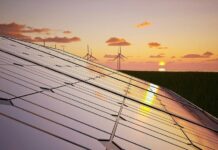
The UK Department of Energy & Climate Change (DECC) has issued a solar roadmap, setting out guiding principles for deployment of solar in the UK.

According to the roadmap, support for solar PV should enable viable projects to proceed and help the UK to meet carbon emission objectives, which in turn will help meet the country’s target of 15% renewable energy from total consumption by 2020.

The roadmap also urges to examine whether the proposals are properly sited; as well as consider and address environmental concerns including landscape and visual impact, heritage and local amenity.

Additionally, the roadmap also underscores the need for public comment from local communities, providing opportunities to influence decisions that affect them.

In addition, the impacts of deployment on: grid systems balancing; grid connectivity; and financial incentives should be properly assessed and addressed.

Having deployed almost 2.5GW of solar and installed solar PV across the country, the DECC central forecast expects the solar installation to reach 10GW by 2020, while the roadmap 2012 analysis has revealed 20GW is the technical maximum level of solar deployment by 2020.

UK minister of state for energy and climate change Gregory Barker said as solar energy is central to renewable energy growth, 20GW installation can be achieved within a decade should all work in closer partnership and achieve grid parity sooner.

“Delivering such an ambition will require even greater innovation, new skills, relentless downward pressure on costs – right through the whole supply chain and a much more dynamic grid network – all of which we will seek to examine in the full strategy which we will publish early next year,” added Barker.


Latest stories

Related stories

Heat Pumps as Strategic Grid Assets Enabling Renewable Integration and Stability

Modern heat pumps have evolved beyond efficiency technologies to become strategic grid assets capable of providing demand flexibility, load shifting and seasonal balancing. Discover how large-scale heat pump deployment supports renewable integration and grid stability.

Electrification of Heating and Cooling: Reshaping Global Electricity Demand

The rapid electrification of heating and cooling systems is fundamentally transforming electricity demand patterns worldwide. Explore how thermal electrification impacts peak loads, grid infrastructure, and long-term power generation planning in the transition to decarbonized energy systems.

Buildings as Decentralized Energy Systems: Transforming Power Infrastructure

Modern buildings are evolving from passive energy consumers into active energy producers through on-site renewable generation, battery storage and intelligent control systems. Discover how decentralized energy systems are reshaping grid architecture and redefining buildings as critical nodes in the broader power ecosystem.

How Renewable Electricity Powers Continuous Thermal Systems

The integration of renewable electricity into thermal energy systems—heating, cooling, and hot water—requires sophisticated technical solutions including thermal storage, hybrid system configurations, and intelligent dispatch algorithms. These innovations enable renewable power to reliably serve round-the-clock thermal demands while maintaining the system reliability that modern buildings and industries require.

Subscribe

- Never miss a story with notifications

- Gain full access to our premium content

- Browse free from any location or device.

Media Packs

Expand Your Reach With Our Customized Solutions Empowering Your Campaigns To Maximize Your Reach & Drive Real Results!

– Access the Media Pack Now

– Book a Conference Call

– Leave Message for Us to Get Back

Translate »