































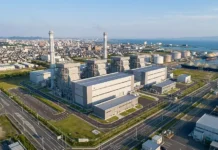



As urban centers around the world grow in density and complexity, their vulnerability to massive energy disruptions is increasing. Traditional centralized grids, while efficient for large-scale distribution, are susceptible to single points of failure that can paralyze an entire city during extreme weather events, cyber-attacks, or technical malfunctions. In response to these challenges, city planners and utility providers are increasingly turning to a modular solution: the microgrid. By integrating localized generation, storage, and intelligent controls, Microgrids Urban Energy Resilience strategies are transforming cities into a patchwork of self-sustaining energy cells. These systems provide a critical safety net, ensuring that even if the main grid fails, essential urban infrastructure remains powered and functional.
The Anatomy of an Urban Microgrid
A microgrid is a localized group of electricity sources and loads that normally operates connected to and in synchronization with the traditional centralized grid. However, its defining feature is the ability to disconnect and function autonomously as a “physical island” during a disturbance. In an urban setting, this typically involves a combination of solar panels on building rooftops, battery energy storage systems (BESS) in basements, and occasionally backup generators powered by natural gas or hydrogen. The system is managed by a sophisticated microgrid technology controller that balances local supply and demand in real-time.
The architecture of these systems is designed to prioritize critical loads. For example, a microgrid serving a city’s medical district would prioritize hospital life-support systems, emergency lighting, and data centers over non-essential office space. This granular control is what makes microgrids urban energy resilience so effective. By focusing limited local resources on the most vital functions, cities can maintain social order and public safety during a crisis. As city energy infrastructure continues to evolve, these decentralized nodes are becoming the building blocks of a more resilient and flexible metropolitan power system.
Distributed Power Generation and Local Reliability
At the core of the microgrid is distributed power generation. Instead of relying on a distant power plant hundreds of miles away, energy is produced right where it is consumed. This eliminates the vulnerability of long-distance transmission lines, which are often the first to fail during a storm or wildfire. In cities, the integration of distributed solar and storage into microgrids not only provides backup power but also helps to stabilize the local grid during normal operations. By absorbing the peaks and valleys of demand, microgrids reduce the stress on the main utility’s transformers and feeders, extending the life of existing city energy infrastructure.
The reliability of these systems is further enhanced by their modular nature. Because microgrids are independent, the failure of one does not affect the performance of others. This “cellular” design prevents the cascading failures that are characteristic of large-scale interconnected grids. For urban residents, this means that even if a major substation fails, their neighborhood microgrid can continue to provide reliable electricity networks for lighting, refrigeration, and communication. This peace of mind is becoming a key factor in urban planning and real estate development, as resilience becomes a sought-after commodity in the face of a changing climate.
Resilient Energy Systems for Critical Infrastructure
The most significant impact of microgrids is their role in protecting a city’s critical infrastructure. This includes not only hospitals and fire stations but also water treatment plants, telecommunications hubs, and transportation systems. A prolonged power outage that disables a city’s water pumps or subway system can quickly lead to a public health and economic crisis. Microgrids urban energy resilience strategies ensure that these vital systems have a guaranteed source of local power. In regions like New York City and Tokyo, large-scale microgrid projects are already securing key transit hubs and financial districts, providing a model for how modern cities can defend against the unknown.
Beyond emergency response, microgrids contribute to the overall sustainability of city energy infrastructure. By incorporating high levels of renewable generation and optimizing energy use through smart controls, they reduce the carbon footprint of the urban environment. Many cities are using microgrids as a testing ground for new resilient energy systems, such as thermal storage or green hydrogen integration. As these technologies mature within the microgrid environment, they can be scaled up and integrated into the broader grid, driving the transition toward a fully carbon-neutral and resilient electricity network.
Economic Benefits and Community Energy Independence
While the primary driver for microgrids is resilience, the economic benefits are increasingly significant. Microgrids allow communities and businesses to manage their own energy costs through peak shaving and load shifting. By drawing power from local batteries during expensive peak hours and charging them during cheaper off-peak times, microgrid owners can save thousands of dollars in utility charges. Furthermore, in some jurisdictions, microgrids can “sell” their flexibility back to the main grid, providing lucrative ancillary services like frequency regulation. This turns a resilience asset into a source of revenue, making the business case for microgrid technology much more compelling.
The socio-economic aspect of community energy independence is also vital. Microgrids empower neighborhoods to take control of their own energy future. Community-led microgrid projects allow residents to invest in local solar and storage, ensuring that the benefits of the energy transition stay within the local economy. This is particularly important for low-income or marginalized communities that are often the most vulnerable to grid outages and rising energy prices. By providing a reliable and affordable source of local power, Microgrids Urban Energy Resilience initiatives can be a powerful tool for social equity and community empowerment.
Policy Hurdles and the Path to Scaling
Despite the clear advantages, the widespread deployment of microgrids faces several significant hurdles. The most prominent are regulatory barriers related to utility franchises and “over-the-fence” electricity sales. In many areas, legacy laws prevent anyone other than the main utility from owning and operating power lines that cross public streets. This makes it difficult to create microgrids that span multiple buildings or city blocks. To unlock the full potential of Microgrids Urban Energy Resilience, we need a modernize regulatory framework that recognizes the value of decentralized resilience and allows for more flexible ownership models.
There is also the challenge of technical standardization and interoperability. As microgrid technology involves components from many different vendors, ensuring that they can communicate and work together seamlessly is essential. National and international standards organizations are working to develop common protocols for microgrid controllers, but more work is needed to ensure that these systems are truly “plug-and-play.” Furthermore, the high initial capital cost of batteries and controls remains a barrier for many cities. Public-private partnerships and innovative financing mechanisms will be essential for scaling up microgrid deployment to the level required for true urban resilience.
The Future: An Interconnected Mesh of Resilient Cities
Looking ahead, we can envision a future where the modern city is an interconnected mesh of thousands of microgrids. These systems will not just be islands of backup power but the very fabric of the city energy infrastructure. They will share resources with each other, support the main grid during periods of high stress, and provide a foundation for the “smart city” of tomorrow. This evolution toward a more decentralized and resilient electrical network is the only way to ensure that our urban centers can continue to thrive in an increasingly volatile world.
Microgrids Urban Energy Resilience is not just a technological trend it is a fundamental shift in how we value and manage energy. By bringing power back to the local level, we are building a world where our cities are not just consumers of energy, but resilient, self-sustaining ecosystems. The journey toward this future is already underway, and the microgrids we build today are the seeds of the resilient electricity networks of tomorrow. Through innovation, collaboration, and a commitment to security, we can ensure that our cities remain bright, safe, and functional for generations to come.