




















Tag: #HydrogenEconomy
Europe
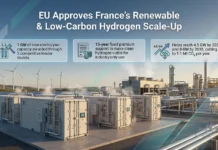
France Wins EU Approval for Renewable Hydrogen Aid Scheme
The European Commission has given clearance under EU State aid rules to a French initiative designed to scale up the production of renewable and...
Hydrogen
Emerging Hydrogen Infrastructure in Future Energy Systems
The development of a robust hydrogen infrastructure is a critical component of the global energy transition, providing a versatile medium for energy storage, industrial decarbonization, and long-haul transport.
Hydrogen
Hydrogen Trade Corridors Reshape Global Energy Supply
The emergence of international hydrogen trade is fundamentally redrawing the world's energy maps. By establishing dedicated corridors that connect resource-rich exporters with high-demand industrial centers, the global energy transition is moving toward a more diversified and resilient supply chain underpinned by advanced maritime logistics and rigorous certification standards.
Companies
Financing Models Driving Hydrogen and Carbon Power Projects
The massive scale of the energy transition requires innovative financial structures that can bridge the gap between technological potential and industrial reality. By examining the evolution of project finance, the role of public-private partnerships, and the rise of sustainable investment criteria, we can understand the mechanisms that are de-risking and accelerating the deployment of next-generation hydrogen and carbon capture infrastructure.
Europe
Regional Power Markets Preparing for Hydrogen Integration
The global energy transition is moving beyond national borders as interconnected power markets prepare for the widespread integration of molecular energy carriers. This analysis explores the regulatory shifts, market redesigns, and infrastructure coordination required to harmonize the role of hydrogen within regional electricity grids, ensuring a stable and cost-effective path to decarbonisation.
Hydrogen
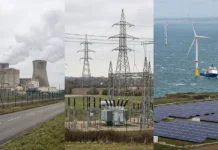
Repurposing Legacy Power Infrastructure for Low-Carbon Energy Networks
The transition to a sustainable energy future does not require the wholesale destruction of existing systems. By creatively repurposing legacy power infrastructure for low-carbon energy networks, nations can accelerate the deployment of hydrogen and carbon capture technologies while significantly reducing the capital expenditure and environmental impact associated with building entirely new transmission and storage systems.
Hydrogen
Transition Strategies for Gas and Thermal Power Assets
The evolution of the global energy mix necessitates a nuanced approach to managing existing thermal generation. By exploring pathways such as hydrogen blending, advanced fuel switching, and the integration of carbon capture, stakeholders can extend the utility of legacy assets while aligning with stringent decarbonisation targets and maintaining grid reliability.
Subscribe
- Never miss a story with notifications
- Gain full access to our premium content
- Browse free from up to 5 devices at once
Must read