

Close
MCE 2026
World Hydrogen & Carbon Americas

EBRD Funds Ignitis Group’s Kelmė Wind Farm in Lithuania

Note* - All images used are for editorial and illustrative purposes only and may not originate from the original news provider or associated company.

Subscribe

- Never miss a story with notifications

- Gain full access to our premium content

- Browse free from any location or device.

Media Packs

Expand Your Reach With Our Customized Solutions Empowering Your Campaigns To Maximize Your Reach & Drive Real Results!

– Access the Media Pack Now

– Book a Conference Call

Leave Message for Us to Get Back

Related stories

Hybrid Power Systems Combining Renewables Hydrogen and Dispatchable Generation

In-depth analysis of hybrid power system architecture integrating renewables, hydrogen storage and dispatchable generation to manage intermittency, enhance grid stability and achieve long-term decarbonisation targets.

Carbon Utilisation Pathways Creating New Value for Power Producers

Exploration of how captured carbon emissions are transformed into commercially viable products, from synthetic fuels to industrial feedstocks, improving project economics for power producers through carbon utilisation strategies.

Integrating Renewable Energy into Large-Scale Hydrogen Production

Examination of how solar, wind and hydro resources are integrated into large-scale hydrogen production, with focus on intermittency, optimisation and grid vs off-grid models.
- Advertisement -

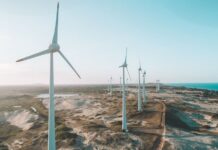
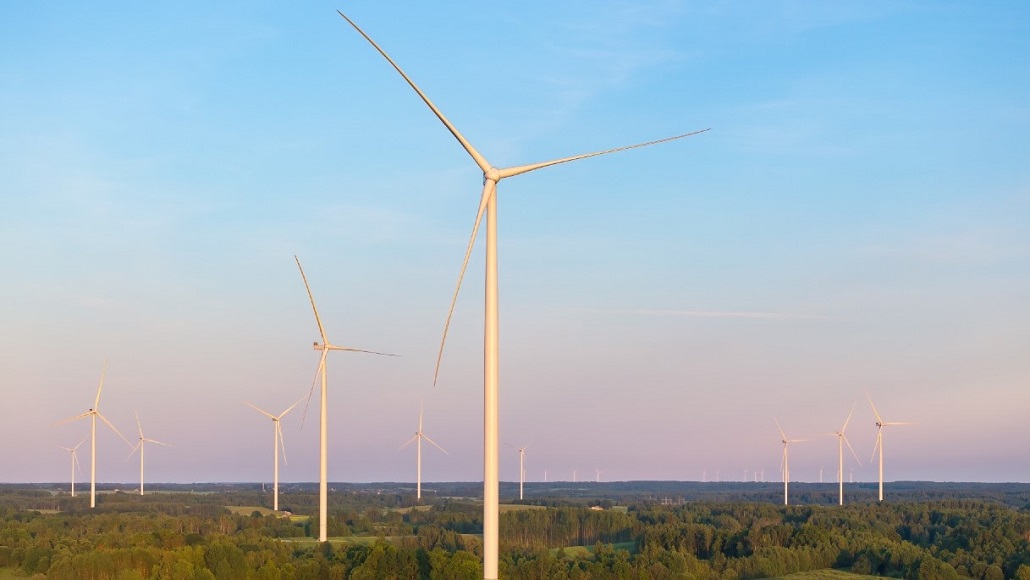
The European Bank for Reconstruction and Development (EBRD) has granted a loan of €79.5 million to Ignitis Group, forming part of a broader €318 million financing arrangement aimed at advancing Lithuania’s clean energy transition. The financing will help Ignitis Group finish building its 314-megawatt (MW) onshore wind farm in Kelmė, western Lithuania. When complete, Kelmė wind farm will be the largest project of its kind anywhere in the Baltic region.

The wider €318 million package, which also includes support from the European Investment Bank (EIB), Swedbank, and the Nordic Investment Bank (NIB), aims to strengthen Lithuania’s energy security and push its climate goals forward. Once running, the Kelmė site is expected to produce 740 GWh of clean electricity each year, enough to power about 250,000 Lithuanian homes. The Kelmė wind farm project also moves Ignitis Group closer to its target of reaching up to 5 gigawatts (GW) of green generation capacity by 2030 and ties into both national and EU climate plans.

Ignitis Group is Lithuania’s largest electricity supplier and one of the main energy companies operating across the Baltic region. The EBRD holds the position of the company’s second-largest shareholder, following Ignitis’s initial public offering in 2020. The development bank has previously assisted Ignitis in expanding its electricity distribution network within Lithuania and in building electric mobility infrastructure throughout the Baltics.

To date, the EBRD has channelled more than €1.8 billion into Lithuania across 143 individual projects, prioritizing sustainable infrastructure and the broader green transition. The new investment shows the institution’s lasting focus on renewables. It also reflects its drive to strengthen energy independence across the Baltic region.

Latest stories

Related stories

Hybrid Power Systems Combining Renewables Hydrogen and Dispatchable Generation

In-depth analysis of hybrid power system architecture integrating renewables, hydrogen storage and dispatchable generation to manage intermittency, enhance grid stability and achieve long-term decarbonisation targets.

Carbon Utilisation Pathways Creating New Value for Power Producers

Exploration of how captured carbon emissions are transformed into commercially viable products, from synthetic fuels to industrial feedstocks, improving project economics for power producers through carbon utilisation strategies.

Integrating Renewable Energy into Large-Scale Hydrogen Production

Examination of how solar, wind and hydro resources are integrated into large-scale hydrogen production, with focus on intermittency, optimisation and grid vs off-grid models.

Electrolysis Technologies Advancing the Future of Clean Power

Comparative analysis of alkaline, PEM and solid oxide electrolysers, their efficiency, cost trajectories and implications for renewable-driven hydrogen and clean power.

Subscribe

- Never miss a story with notifications

- Gain full access to our premium content

- Browse free from any location or device.

Media Packs

Expand Your Reach With Our Customized Solutions Empowering Your Campaigns To Maximize Your Reach & Drive Real Results!

– Access the Media Pack Now

– Book a Conference Call

Leave Message for Us to Get Back

Translate »