







Close
MCE 2026
World Hydrogen & Carbon Americas

ACWA Power unveils Saudi Arabia’s first renewable energy project

Note* - All images used are for editorial and illustrative purposes only and may not originate from the original news provider or associated company.

Subscribe

- Never miss a story with notifications

- Gain full access to our premium content

- Browse free from any location or device.

Media Packs

Expand Your Reach With Our Customized Solutions Empowering Your Campaigns To Maximize Your Reach & Drive Real Results!

– Access the Media Pack Now

– Book a Conference Call

Leave Message for Us to Get Back

Related stories

Carbon Pricing and Its Long-Term Impact on Power Generation Economics

The implementation of robust carbon pricing mechanisms is fundamentally altering the financial landscape of the energy sector. By internalizing the environmental costs of emissions, these policies are shifting the competitive advantage from fossil fuels to low-carbon alternatives, reshaping investment strategies, and redefining the long-term economic viability of power generation technologies globally.

Repurposing Legacy Power Infrastructure for Low-Carbon Energy Networks

The transition to a sustainable energy future does not require the wholesale destruction of existing systems. By creatively repurposing legacy power infrastructure for low-carbon energy networks, nations can accelerate the deployment of hydrogen and carbon capture technologies while significantly reducing the capital expenditure and environmental impact associated with building entirely new transmission and storage systems.

Balancing Grid Reliability with Deep Power Sector Decarbonisation

Maintaining a constant and reliable flow of electricity while transitioning away from traditional fossil fuels represents one of the greatest engineering feats of the modern era. This analysis explores the strategic deployment of flexible assets and the integration of carbon-neutral firm power to ensure that sustainability goals do not compromise the fundamental stability of the global energy network.
- Advertisement -

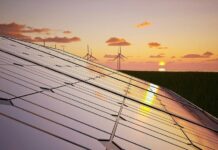
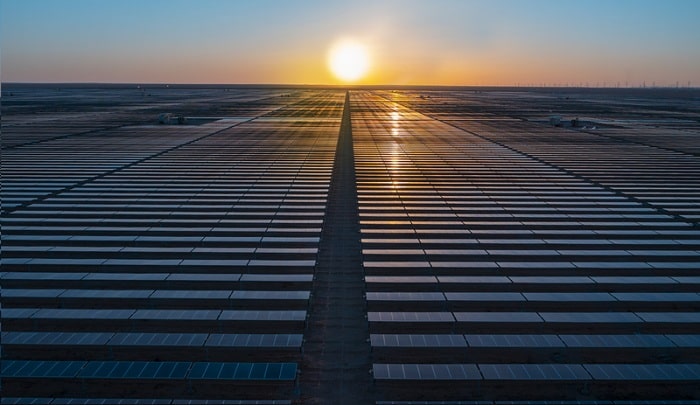
Saudi Arabian energy company ACWA Power has announced the opening of a utility-scale solar renewable energy project in the country.

The 300MW Sakaka PV independent power producer (IPP), which was built with an investment of SAR1.2bn ($319m), was inaugurated by Crown Prince Mohammed bin Salman.

Salman said: “The private sector plays a fundamental role in the development of renewable energy projects in [Saudi Arabia].

“The Sakaka project we are inaugurating today was developed by ACWA Power, together with various Saudi companies that have worked alongside them to make this remarkable achievement a reality.

“ACWA Power is the leading national company in this field. It is sponsored by the state because it has proven to be a distinct company worthy of the government’s ownership.”

The company said that the plant exemplifies the role of public-private partnerships (PPPs) in enabling socioeconomic progress in Saudi Arabia.

The opening of the facility is in line with the country’s energy diversification and development plans.

In 2018, the project was awarded to a consortium led by ACWA Power.


The company owns a 70% stake in the Sakaka Solar Energy Company (SSEC). The remaining 30% is owned by contractor and investor Al Gihaz Holding, which played a key role in the investment, engineering and procurement as well as the project’s construction.

ACWA Power chairman Mohammad Abunayyan said: “I am delighted to partake in the phenomenal achievement of inaugurating the first renewable energy plant in [Saudi Arabia].

“This affirms our role as a leading Saudi national company that has been at the forefront of the energy transition not only in [Saudi Arabia], but also in a growing number of international key markets.”

Alongside Sakaka’s inauguration, the Public Investment Fund of Saudi Arabia announced its plans for another renewable project, Sudair Solar PV, which is set to become Saudi Arabia’s largest solar plant.

With an investment value of approximately SAR3.4bn and a capacity of 1,500MW, the Sudair Solar PV project will be capable of powering 185,000 homes and offsetting nearly 2.9 million tons of emissions per year.

ACWA Power holds a 50% stake in PIF, which leads the consortium to develop the project alongside PIF portfolio company Water and Electricity Holding “Badeel”.

In December, ACWA Power joined a green hydrogen consortium aiming to drive the cost of green hydrogen below $2/kg by 2026.


Latest stories

Related stories

Carbon Pricing and Its Long-Term Impact on Power Generation Economics

The implementation of robust carbon pricing mechanisms is fundamentally altering the financial landscape of the energy sector. By internalizing the environmental costs of emissions, these policies are shifting the competitive advantage from fossil fuels to low-carbon alternatives, reshaping investment strategies, and redefining the long-term economic viability of power generation technologies globally.

Repurposing Legacy Power Infrastructure for Low-Carbon Energy Networks

The transition to a sustainable energy future does not require the wholesale destruction of existing systems. By creatively repurposing legacy power infrastructure for low-carbon energy networks, nations can accelerate the deployment of hydrogen and carbon capture technologies while significantly reducing the capital expenditure and environmental impact associated with building entirely new transmission and storage systems.

Balancing Grid Reliability with Deep Power Sector Decarbonisation

Maintaining a constant and reliable flow of electricity while transitioning away from traditional fossil fuels represents one of the greatest engineering feats of the modern era. This analysis explores the strategic deployment of flexible assets and the integration of carbon-neutral firm power to ensure that sustainability goals do not compromise the fundamental stability of the global energy network.

Risk Management Strategies in Emerging Low-Carbon Power Investments

Investing in the next generation of energy infrastructure requires a sophisticated understanding of the evolving risks associated with technological novelty and regulatory shifts. This discussion outlines the frameworks necessary to mitigate uncertainty in hydrogen and carbon capture projects, ensuring that capital is deployed effectively to achieve both financial returns and global sustainability targets.

Subscribe

- Never miss a story with notifications

- Gain full access to our premium content

- Browse free from any location or device.

Media Packs

Expand Your Reach With Our Customized Solutions Empowering Your Campaigns To Maximize Your Reach & Drive Real Results!

– Access the Media Pack Now

– Book a Conference Call

Leave Message for Us to Get Back

Translate »