
















Events Date: 9

Cameroon Plans to Add Ten Small Hydropower Plants by 2030

Note* - All images used are for editorial and illustrative purposes only and may not originate from the original news provider or associated company.

Subscribe

- Never miss a story with notifications

- Gain full access to our premium content

- Browse free from any location or device.

Media Packs

Expand Your Reach With Our Customized Solutions Empowering Your Campaigns To Maximize Your Reach & Drive Real Results!

โ€“ Access the Media Pack Now

โ€“ Book a Conference Call

โ€“ Leave Message for Us to Get Back

Related stories

Hydrogen Infrastructure Driving Future Energy Growth

As the world shifts toward a low-carbon economy, hydrogen infrastructure for energy growth is emerging as a critical engine for industrial transformation. Through massive investments in clean fuel production, storage, and transport, hydrogen is poised to unlock new energy markets and provide a sustainable solution for the hardest-to-abate sectors.

Energy Storage Systems Supporting Utility Expansion

The rapid growth of global energy demand is driving a massive scale-up of utility infrastructure, where energy storage systems serve as the critical balancer. By providing essential services like grid stability and seamless renewable integration, these systems are enabling a flexible and reliable expansion of modern power networks.

Smart Energy Infrastructure Improving Grid Efficiency

The digital transformation of the power sector is being led by smart energy infrastructure efficiency, where data-driven insights and automation are redefining grid performance. By integrating digital monitoring and predictive operations, utilities are creating a more responsive, reliable, and efficient energy network for the modern age.
- Advertisement -

Cameroon plans to add ten small hydropower plants by 2030. Together, theyโ€™ll supply about 25 MW of electricity, with each generating roughly 2.5 MW. The project sits within the countryโ€™s National Energy Compact, a roadmap developed alongside international partners to strengthen sustainable energy development.

According to the governmentโ€™s schedule, the programโ€™s framework documents will be drafted and approved in 2026. The government intends to offer investment incentives and subsidies to bring private developers on board. The first round of tenders, covering feasibility studies and company selection, is expected to be launched in 2027. Construction and contract signings are scheduled between 2028 and 2030, though that timeline could stretch if needed.

These ten plants form part of a larger national effort to build 50 small hydropower facilities across Cameroon. The first in the series, the Mbakaou plant, was inaugurated on April 14, 2022, in the Adamaoua region. IED Invest Cameroon built the 2.4 MW Mbakaou plant, which can be expanded to 4.8 MW. The project cost 4.5 billion Central African Francs (XAF) and was partly financed through a 1.5 billion XAF loan from BGFI Bank Gabon. During the inauguration, Abakal Mahamat, managing director of the bankโ€™s Cameroonian subsidiary, stated that the institution was prepared to fund the remaining 49 projects. His comments followed an appeal from the Minister of Water and Energy, Gaston Eloundou Essomba, for greater investor engagement. โ€œWe want to build the other 49 to solve the electricity supply problem,โ€ Mahamat said.

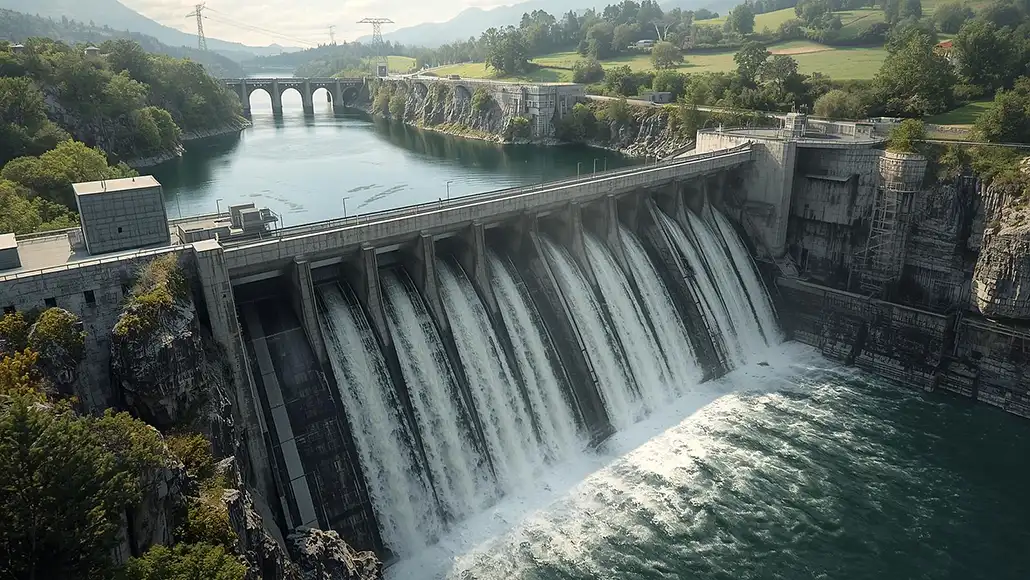
Small hydropower plants, defined as hydroelectric systems generating under 10 MW, are generally installed along rivers with consistent water flow, using both natural currents and engineered elevation drops to produce power. Cameroon is prioritizing this energy model for its environmental, financial, and social advantages. From an ecological perspective, small hydropower provides clean and dependable energy with less environmental disturbance than large-scale dams.

From an economic standpoint, these projects are cheaper to build, attract a wider range of investors, and have lower running costs, which can lead to more competitive electricity prices. Socially, they play a key role in bringing power to rural areas like the 2,800 new households connected through the Mbakaou plant and help improve living standards while creating local jobs.

Power Info Today brings together the global energy industry โ€” from generation and transmission operators to utility executives and energy transition leaders โ€” through trusted editorial, market intelligence, and digital engagement.

Our 2026 Media Pack offers integrated solutions to reach your audience:

  • Magazine & Digital Editions Showcase your brand within premium energy industry coverage read by executives and decision - makers worldwide.
  • Industry Insights & Reports Align with data - driven analysis, trend reports, and regional roundups across the global power and energy value chain.
  • Brand Authority & Credibility Position your company as a thought leader through expert commentary, interviews, and special features.

Latest stories

Related stories

Hydrogen Infrastructure Driving Future Energy Growth

As the world shifts toward a low-carbon economy, hydrogen infrastructure for energy growth is emerging as a critical engine for industrial transformation. Through massive investments in clean fuel production, storage, and transport, hydrogen is poised to unlock new energy markets and provide a sustainable solution for the hardest-to-abate sectors.

Energy Storage Systems Supporting Utility Expansion

The rapid growth of global energy demand is driving a massive scale-up of utility infrastructure, where energy storage systems serve as the critical balancer. By providing essential services like grid stability and seamless renewable integration, these systems are enabling a flexible and reliable expansion of modern power networks.

Smart Energy Infrastructure Improving Grid Efficiency

The digital transformation of the power sector is being led by smart energy infrastructure efficiency, where data-driven insights and automation are redefining grid performance. By integrating digital monitoring and predictive operations, utilities are creating a more responsive, reliable, and efficient energy network for the modern age.

Grid Modernization Driving Energy Infrastructure

Modern energy systems are undergoing a radical transformation as grid modernization becomes the cornerstone of infrastructure resilience. By integrating advanced digital monitoring, transmission upgrades, and smart grid technologies, utility providers are building a foundation for a reliable and decarbonized future.

Subscribe

- Never miss a story with notifications

- Gain full access to our premium content

- Browse free from any location or device.

Media Packs

Expand Your Reach With Our Customized Solutions Empowering Your Campaigns To Maximize Your Reach & Drive Real Results!

โ€“ Access the Media Pack Now

โ€“ Book a Conference Call

โ€“ Leave Message for Us to Get Back

Translate ยป