

























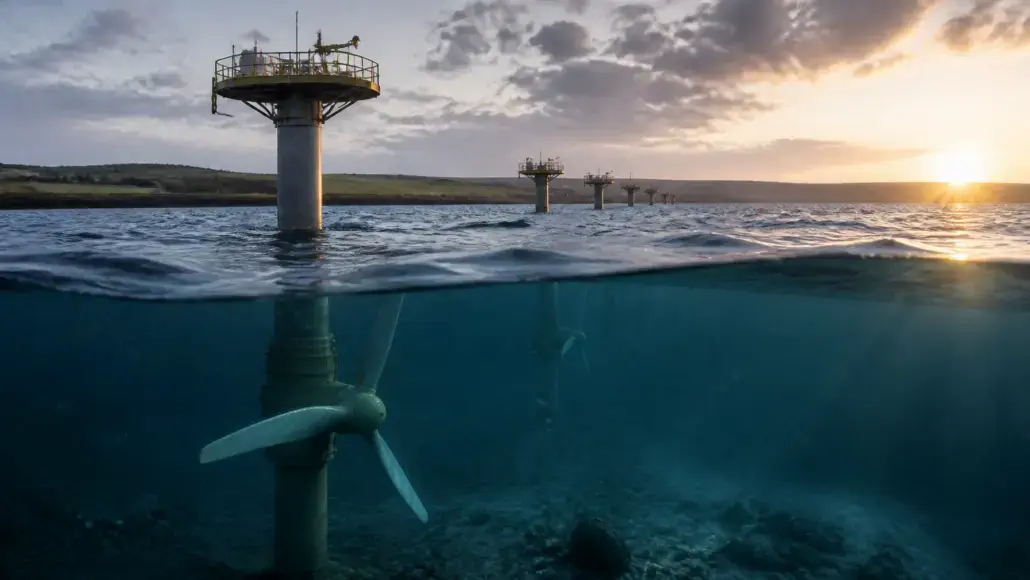

The integration of tidal energy into the modern power network represents a significant shift from static energy systems to a dynamic, data driven ecosystem. At the center of this transformation is digital grid management, a suite of software and communication technologies that provides the visibility and control necessary to manage variable marine generating assets. While the predictability of the tides offers a clear advantage over wind and solar, the rapid changes in current speed and direction still require real time adjustments to maintain grid stability. Digital grid management systems utilize vast streams of data from sensors located across the tidal array to optimize power flow, predict maintenance needs, and ensure that every unit of energy generated is delivered to the consumer as efficiently as possible.
As the penetration of renewable energy increases, the complexity of balancing supply and demand becomes more acute. Grid operators are increasingly looking toward digital solutions to provide the ancillary services required for a stable network, such as frequency response and voltage regulation. By leveraging digital grid management, tidal power projects can transition from being passive contributors to the grid to active participants in system stability. This evolution is vital for ensuring that the global energy transition is not only sustainable but also reliable and cost effective for the long term. The adoption of these digital tools also facilitates the integration of tidal power with other variable sources, creating a more balanced and resilient renewable energy mix.
Real Time Monitoring and Data Acquisition in Marine Environments
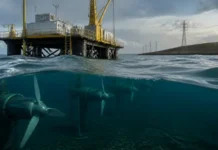
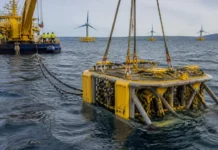
A fundamental component of digital grid management is the ability to collect and process high resolution data from the underwater turbines and subsea infrastructure. Every turbine in a commercial array is equipped with hundreds of sensors that monitor everything from rotor speed and blade pitch to the temperature of the electrical windings and the vibro acoustic profile of the bearings. This data is transmitted to the surface via high speed fiber optic links integrated within the subsea cabling, creating a digital twin of the physical array in a central control room. This virtual representation allows for real time simulations of the array’s performance under different tidal and grid conditions.
This real time visibility allows operators to detect subtle changes in performance that could indicate a developing fault long before it leads to a catastrophic failure. For example, a small increase in the temperature of a subsea transformer can be flagged by the digital grid management system, allowing for the load to be rerouted or a maintenance inspection to be scheduled before the component overheats. The adoption of these technologies is accelerated by the development of large scale Tidal Energy Projects that serve as testbeds for integrated communication and control architectures. By providing a continuous stream of actionable information, these systems reduce the operational risks associated with working in the high energy marine environment and maximize the availability of the generating assets. The use of edge computing at the turbine level also allows for immediate processing of critical data, reducing the latency of the control response.
Predictive Analytics and Forecasting for Tidal Arrays
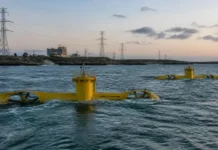
While the tides follow well understood lunar cycles, the actual power output of a tidal array can be influenced by local bathymetry, weather events, and interactions between the turbines. Digital grid management leverages predictive analytics to create highly accurate forecasts of energy generation. These models combine astronomical data with real time measurements from oceanographic sensors to predict exactly how much power the array will produce over minutes, hours, and days. This information is invaluable for grid operators, as it allows them to schedule other generating assets more efficiently and ensures that the grid can accommodate the influx of tidal power. These forecasts are also essential for participating in day ahead and intraday energy markets.
Predictive control algorithms further enhance this capability by proactively adjusting the operation of the turbines and power converters. For example, if a storm surge is expected to increase current speeds beyond the designed operational limit, the system can automatically adjust the pitch of the turbine blades or increase the electrical braking to prevent damage. This automated response capability is a key feature of modern digital grid management, as it allows the array to operate as a self healing network. Additionally, the system can optimize the output of individual turbines to minimize wear and tear, extending the life of the entire array. Key automated features include:
- Automated load shedding to protect sensitive subsea components during transient grid events or local faults.
- Dynamic adjustment of reactive power to support local grid voltage levels during periods of peak demand or low tidal flow.
- Self optimizing algorithms that adjust the spacing and orientation of turbines within an array to minimize wake effects and maximize total energy yield.
- Integration with satellite weather data to provide long range forecasts of extreme tidal or sea state conditions that could impact accessibility for maintenance.
- Remote firmware updates that allow the control logic of underwater components to be improved over time without physical intervention, ensuring the system stays current with the latest efficiency algorithms.
- Implementing anomaly detection based on machine learning that can distinguish between normal tidal variations and the early signs of component fatigue.
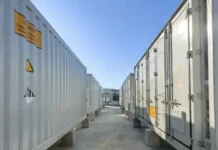
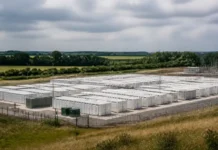
- Real time synchronization with energy storage systems to buffer the power output during the fastest parts of the tidal cycle.
These advanced features ensure that tidal energy arrays can operate at peak efficiency under a wide range of environmental conditions, providing a high level of predictability that grid operators can rely on.
Enhancing Grid Stability Through Aggregated Control
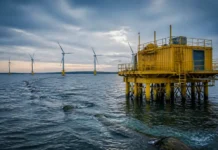
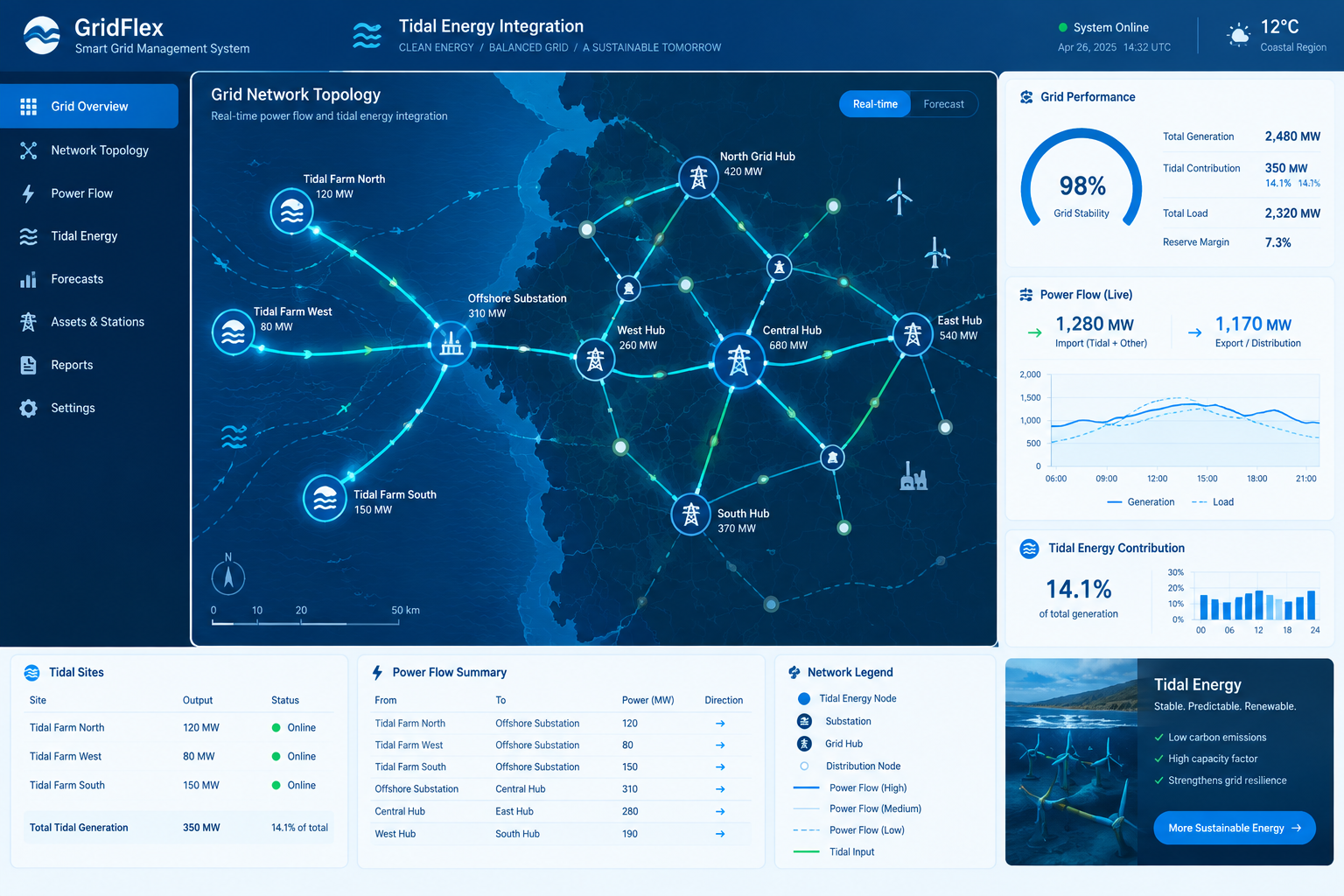
In a future where multiple tidal arrays and offshore wind farms are connected to the same grid connection point, the coordination of these assets becomes a major logistical challenge. Digital grid management provides a platform for the aggregated control of these diverse resources, allowing them to operate as a single virtual power plant (VPP). By synchronizing the output of multiple arrays, the system can smooth out the overall power profile and provide a more consistent energy product to the grid. This aggregation also allows for the more effective utilization of energy storage systems, as it permits the storage to be shared across multiple generating assets, reducing the total storage capacity required.
The communication protocols used in digital grid management must be both fast and secure to protect the critical infrastructure from cyber threats. Industrial grade encryption and durable networking architectures are standard features of these systems, ensuring that the control signals and data streams remain confidential and tamper proof. As the industry moves toward standardized communication frameworks, such as IEC 61850, the interoperability between equipment from different manufacturers will further improve, allowing for even more complex and resilient grid management strategies. This move toward open standards is essential for the long term growth and integration of the marine energy sector. The use of redundant communication paths, including satellite backups, ensures that the array remains under control even if the primary fiber optic link is damaged.
Economic Impact of Digital Network Optimization
The implementation of digital grid management has a direct and positive impact on the economic performance of tidal energy projects. By reducing the frequency of unscheduled maintenance and optimizing the energy yield of the array, these systems significantly lower the levelized cost of energy (LCOE). Additionally, the ability to provide ancillary services to the grid opens up additional revenue streams for developers, as they can be compensated for their role in maintaining grid stability. In many markets, the value of these services can be as significant as the value of the energy itself. The reduction in downtime also improves the debt service coverage ratio (DSCR) for project financing, leading to better terms from lenders.
Beyond this, the data collected by digital grid management systems provides a rich resource for the design of future generations of tidal turbines and subsea infrastructure. By understanding exactly how current systems perform in the real world, engineers can develop more durable and efficient components, further driving down costs. This feedback loop between operations and design is a hallmark of the transition to a digital energy economy, ensuring that the tidal power industry remains at the cutting edge of technological innovation. The continued investment in digital infrastructure will be a key driver for the commercial success of the ocean energy sector in the coming years. The use of historical data also assists in the accurate valuation of tidal assets for insurance and secondary market transactions.
Future Horizons for Integrated Grid Control
Looking ahead, the continued integration of artificial intelligence and machine learning into digital grid management will enable even higher levels of automation and optimization. These systems will be able to learn from historical performance data and adapt their control strategies in real time to respond to changing ocean conditions and grid requirements. We may also see the rise of decentralized grid management architectures, where individual turbines and connection hubs have the intelligence to make autonomous decisions, further increasing the resilience of the overall network. This decentralized approach would make the system less vulnerable to the failure of a single central control node.
The ultimate goal of digital grid management is to create an energy system that is both intelligent and efficient,a system that maximizes the harvest of the tides while balancing the needs of the grid and the consumer. As these technologies continue to mature, they will provide the essential framework for a global energy system that is powered by the predictable, clean, and vast energy of the oceans. The transition to this digital future is well underway, and the innovations in grid management are paving the way for a more sustainable and secure energy environment for generations to come. The synergy between marine energy generation and digital management is the key to tapping into the full potential of the planet’s oceans.