







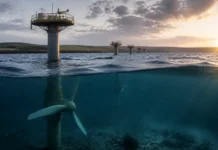
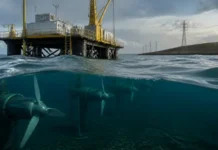
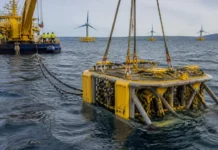
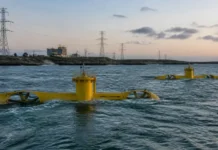










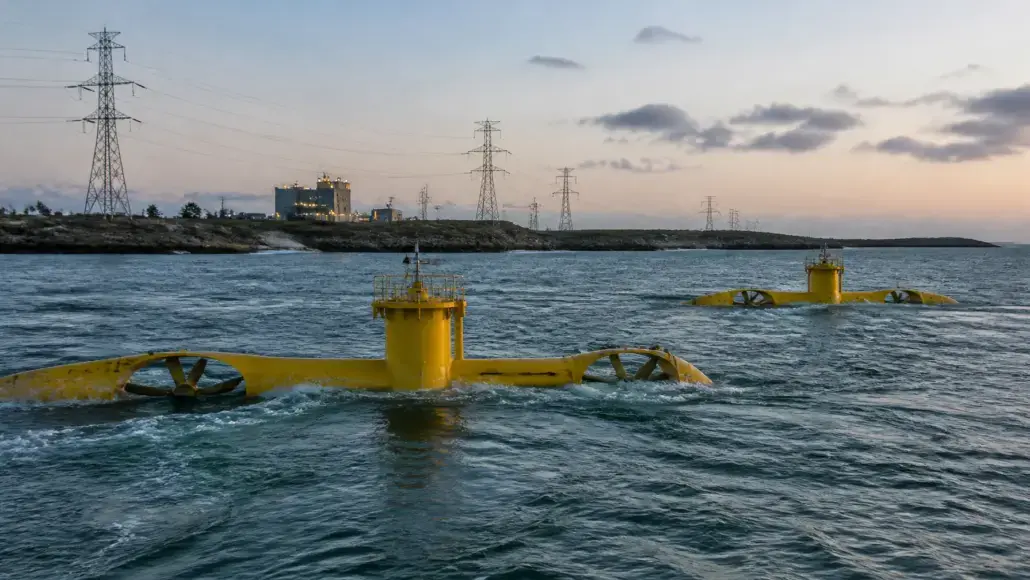

The global transition toward a decarbonized energy sector has brought a renewed focus on the predictable and vast power of the oceans. Among the various marine energy sources, tidal energy projects are rapidly evolving from experimental trials to utility scale deployments that require sophisticated grid connection strategies. The ability to harness the kinetic energy of the tides is no longer just a question of turbine efficiency; it is increasingly a challenge of transmission and integration. As developers move toward multi megawatt arrays, the need to expand grid connection and transmission capabilities has become the primary bottleneck for new developments. Addressing this requires a combination of high voltage engineering, advanced power electronics, and strategic infrastructure planning.
Successful tidal energy projects must manage the technical complexities of transmitting power through high energy marine environments while ensuring that the resulting electricity is compatible with national grid standards. This integration process is multi faceted, involving the synchronization of multiple turbines, the management of fluctuating power outputs, and the physical installation of undersea infrastructure. By focusing on these transmission capabilities, the industry is setting the stage for ocean energy to become a cornerstone of the global renewable energy portfolio, providing a reliable and predictable source of power that complements more variable sources like wind and solar. This strategic shift is necessary to ensure that coastal communities can tap into their local natural resources without compromising the stability of the national energy network.
Expanding Transmission Capacity for Utility Scale Arrays
The transition from single turbine demonstrations to large scale tidal energy projects requires a significant increase in the capacity of transmission infrastructure. In the early stages of the industry, projects were often limited by the existing capacity of coastal grid connection points, which were frequently located in remote areas with weak electrical networks. To overcome this, modern developers are investing in the expansion of these coastal networks, installing new substations and upgrading existing transmission lines to handle the influx of marine power. This expansion is essential for allowing larger volumes of energy to be moved from the sea to the centers of high electricity demand. The reinforcement of these networks also provides a foundation for other coastal industrial developments, creating a broader economic benefit beyond the energy sector.
In addition to upgrading onshore networks, tidal energy projects are utilizing higher voltage export cables to improve the efficiency of long distance transmission. By stepping up the voltage at a subsea or offshore collection point, developers can reduce the resistive losses that occur when electricity travels through kilometers of undersea cabling. This move toward high voltage systems also allows for the use of smaller, lighter cables, which simplifies the installation process and reduces the overall cost of the project. As more projects reach the commercial stage, the standardization of these high voltage transmission systems will be vital for further reducing the levelized cost of energy (LCOE) for tidal power. Additionally, the development of multi terminal transmission layouts allows for the connection of multiple arrays to a single onshore node, further optimizing the use of grid connection capacity.
Synchronizing Variable Generation with Grid Requirements
One of the unique characteristics of tidal energy is its predictable periodicity, which differentiates it from the less certain fluctuations of wind and solar. However, within each tidal cycle, the power output still varies as the current speed increases and decreases. For tidal energy projects to provide a grid ready product, this variable output must be carefully managed to ensure voltage stability and frequency control. Advanced power conversion systems are deployed at the turbine level and at the main grid connection point to smooth out these fluctuations and ensure a consistent flow of electricity. These systems utilize fast acting energy storage, such as supercapacitors or flywheels, to buffer the short term variations in turbine output.
The reliability of these connections is predicated on the continuous advancement of Subsea Cable Technology to ensure that energy losses are minimized during long distance undersea transport. Beyond the physical cables, the integration of smart grid controllers allows for real time monitoring and adjustment of power flows. These systems can automatically respond to grid signals, adjusting the output of the tidal array to provide ancillary services such as frequency regulation and reactive power support. This level of control is essential for maintaining grid stability as the penetration of renewable energy increases, making tidal energy projects an increasingly attractive asset for grid operators who value predictability and controllability. The ability of these projects to provide black start capabilities, assisting in the recovery of the grid after an outage, is also being explored as a way to enhance system resilience.
Infrastructure Development and Environmental Integration
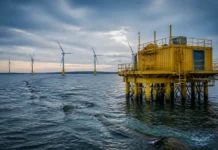
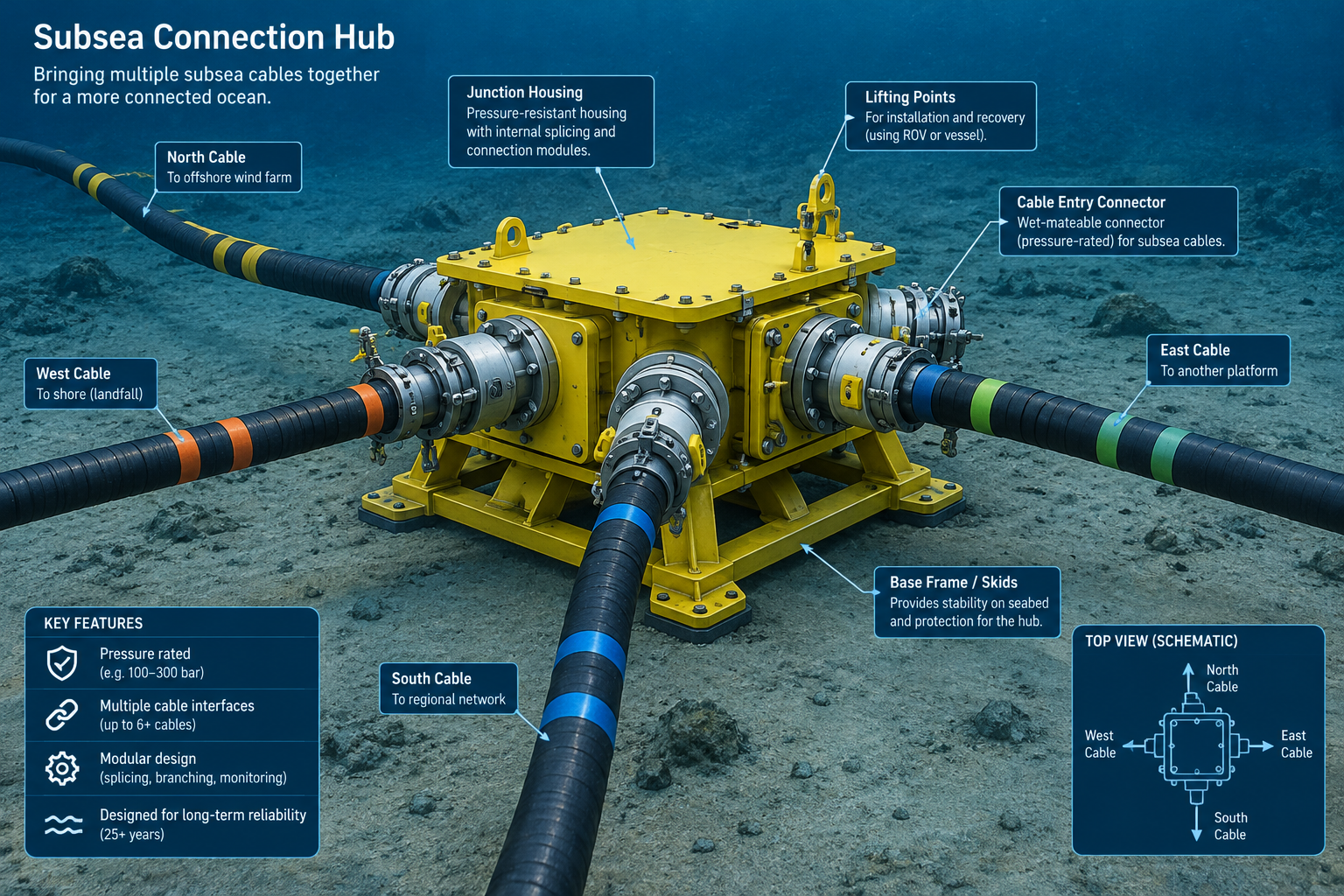
The physical footprint of tidal energy projects extends far beyond the turbines themselves, encompassing a complex network of undersea cables, connection hubs, and onshore substations. The installation of this infrastructure must be carefully planned to minimize environmental impact and avoid conflicts with other marine stakeholders, such as the fishing and shipping industries. Modern projects are utilizing advanced seabed mapping and environmental modeling to identify the most efficient and least intrusive routes for transmission lines. This meticulous planning is critical for obtaining the necessary permits and social license to operate in sensitive marine environments. Developers are also engaging in collaborative research with marine biologists to monitor the effects of electromagnetic fields (EMF) on local marine life, ensuring that the transmission infrastructure does not disrupt migratory patterns.
To ensure the longevity of the transmission infrastructure, developers are implementing a range of protective measures:
- Seabed burial of export cables to protect them from anchors, fishing gear, and extreme weather events, often reaching depths of over two meters.
- The use of articulated pipe and rock dumping in areas where burial is not possible due to rocky substrates or high current velocities.
- The integration of fiber optic sensors within the cable structure to provide real time data on cable health, mechanical strain, and seabed conditions.
- The development of modular subsea connection points that allow for easier expansion and maintenance of the tidal array without disturbing the primary export line.
- The application of non toxic, anti fouling coatings to underwater infrastructure to prevent the buildup of marine organisms which can increase drag.
- Detailed hydrodynamic modeling to predict the effect of the turbines and cables on local sediment transport and coastal erosion.
- Implementing acoustic monitoring systems to track the noise levels of the array during different tidal states to ensure compliance with environmental regulations.
These measures not only protect the electrical integrity of the system but also ensure that the tidal energy projects have a minimal impact on the local ecosystem. By prioritizing sustainable infrastructure development, the industry is demonstrating that large scale renewable energy can coexist with healthy marine environments.
Power Quality and Regulatory Compliance
For tidal energy to be integrated into the main power grid, it must adhere to strict regulatory standards regarding power quality. This includes managing harmonics, voltage flicker, and phase balance to ensure that the tidal power does not interfere with the operation of other electrical equipment. Tidal energy projects utilize sophisticated filtering and conditioning systems to meet these requirements. These systems are often housed in onshore converter stations, where the raw AC power from the subsea cables is converted and synchronized with the grid’s frequency and voltage levels. The use of active power filters can dynamically cancel out harmonics, providing a much higher quality of electricity than traditional passive filtering methods.
The regulatory environment for marine energy is also evolving, with grid operators and government agencies developing new frameworks to facilitate the connection of offshore renewables. These frameworks often include streamlined permitting processes and incentives for the development of shared infrastructure, such as offshore grids that can connect multiple tidal and wind projects. By aligning technical capabilities with regulatory support, tidal energy projects can accelerate their deployment and contribute more effectively to national carbon reduction targets. Additionally, the development of international grid codes specifically for marine energy will help to standardize the requirements for power quality and grid support across different jurisdictions, simplifying the design process for global developers.
Future Innovations in Tidal Power Transmission
Looking ahead, the next generation of tidal energy projects will likely feature even more advanced transmission technologies, such as subsea transformers and high voltage direct current (HVDC) links. Subsea transformers would allow for voltage step up to occur directly on the seabed, reducing the need for surface platforms and simplifying the overall architecture of the tidal array. This approach would also protect the transformers from the surface weather conditions, potentially extending their service life. HVDC technology, which is already becoming common in the offshore wind industry, offers significant advantages for very long distance transmission by further reducing power losses and eliminating the need for reactive power compensation.
Additionally, the integration of energy storage systems, such as subsea batteries or hydrogen production facilities, could further expand the capabilities of tidal energy transmission. By storing excess energy offshore, projects could provide a more stable and dispatchable power supply, reducing the strain on the onshore grid during periods of peak tidal generation. This stored energy could also be used to provide power to local offshore industrial assets, such as oil and gas platforms that are seeking to decarbonize their operations. As these technologies mature and their costs decrease, they will become increasingly common features of commercial tidal energy projects, ensuring that the vast power of the oceans can be delivered to consumers with maximum efficiency and reliability. The continued expansion of these transmission capabilities will be a defining factor in the success of the global marine energy industry.