




























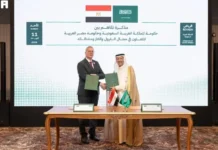


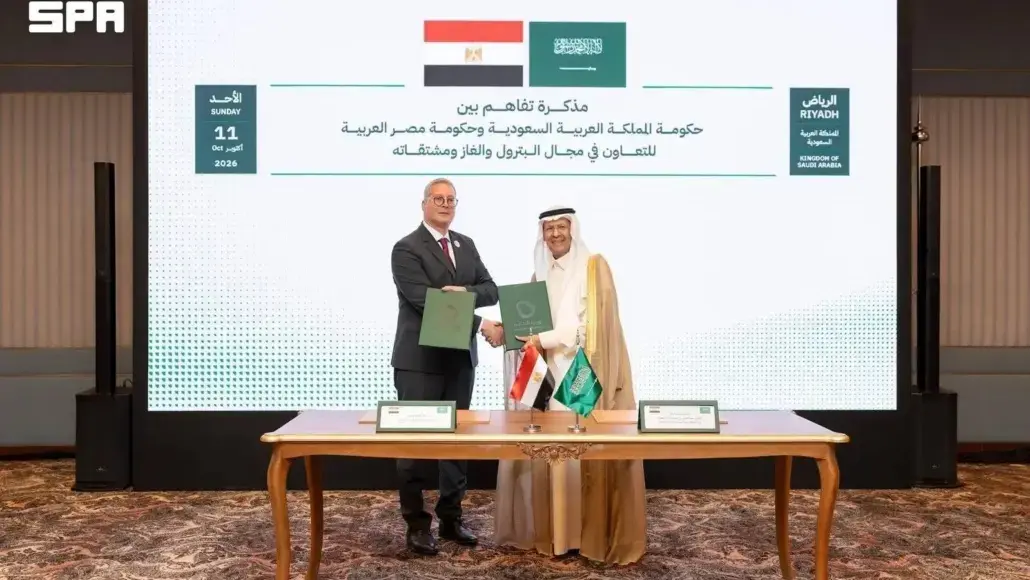

Saudi Arabia has signed three memoranda of understanding with Kuwait, Qatar and Egypt to expand energy cooperation across the sector, the Saudi Press Agency reported. Energy Minister Prince Abdulaziz bin Salman signed the agreements with his counterparts on Sunday. The memoranda cover electricity, renewable energy, oil and gas, petrochemicals, energy storage, infrastructure development and investment, alongside technology exchange, supply-chain resilience and joint projects.
Saudi Arabia and Kuwait Expand Electricity and Technology Cooperation
Under the agreement with Kuwait, Prince Abdulaziz and Minister of Electricity, Water and Renewable Energy Subaih Abdulaziz Abdulmohsen Al-Mukhaizeem established a framework covering electricity, renewable energy, electrical interconnection, power exports, energy efficiency, storage and smart grids. The memorandum also addresses digital transformation, innovation, cybersecurity and artificial intelligence. It seeks to localize related materials, products and services, strengthen cooperation between specialized companies, and advance climate-mitigation technologies, including circular carbon economy solutions.
Qatar Agreement Covers Oil, Gas and Clean Energy
The agreement with Qatar, signed with Minister of State for Energy Affairs Saad bin Sherida Al-Kaabi, covers petroleum, natural gas, refining, petrochemicals, electricity, clean hydrogen, renewable energy, energy efficiency and storage. It also provides for exploring joint ventures to develop oil and gas export pipelines and promoting sustainable petrochemical products in construction and other sectors. Both countries will coordinate on international energy-transition and climate issues, including negotiations under the UN Framework Convention on Climate Change, the Paris Agreement and efforts to establish an international treaty on plastic pollution.
Egypt Agreement Targets Energy Security and Infrastructure
The memorandum with Egypt, signed with Minister of Petroleum and Mineral Resources Karim Badawi, focuses on crude oil, petroleum products and natural gas, including trade, transportation, storage, distribution, infrastructure and logistics. It aims to strengthen energy-market integration, improve supply-chain resilience and enhance energy security on a commercial basis and in accordance with both countries’ laws. The agreement also covers sharing Saudi expertise in upgrading and operating fuel stations, promoting competition in Egypt’s liquefied petroleum gas sector, and expanding petrochemical cooperation and investment in existing and planned projects. Together, these energy cooperation agreements establish a broader framework among the four countries.