







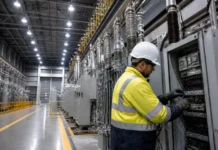
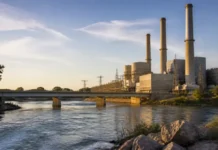
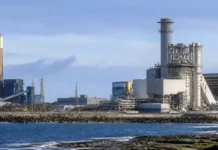
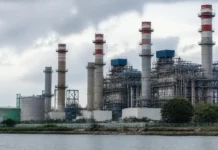



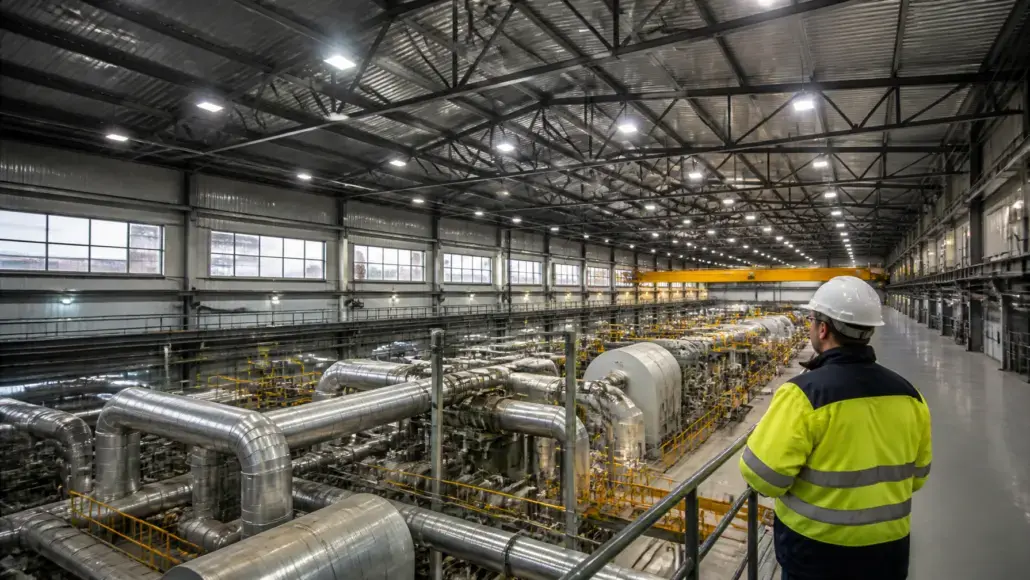

Efficient operational management in modern power generation facilities requires a meticulous focus on reducing internal energy usage. Auxiliary power consumption, which represents the energy consumed by the plant itself to drive pumps, fans, and lighting systems, can account for a significant portion of total output. Reducing this internal demand directly enhances the net efficiency of the station and contributes to broader sustainability goals. One of the most effective strategies for achieving these reductions involves the large-scale integration of sustainable lighting technologies across the facility. By replacing legacy high-pressure sodium and metal halide lamps with advanced light-emitting diode systems, plant operators can achieve substantial savings in both energy and maintenance costs. The shift toward these systems is not merely a matter of equipment replacement but represents a fundamental change in how industrial facilities manage illumination.
Traditional lighting systems in power stations are often characterized by high heat output and significant energy wastage. In high-temperature environments such as boiler rooms and turbine halls, the heat generated by inefficient lighting adds to the thermal load that cooling systems must manage. This creates a secondary energy drain that is often overlooked. Transitioning to sustainable lighting technologies eliminates this excessive heat generation, thereby reducing the strain on auxiliary cooling infrastructure. The longevity of these systems also ensures that maintenance teams spend less time replacing fixtures in hazardous or hard-to-reach areas, which is a critical consideration for operational safety and productivity. The reliability of illumination in these areas is paramount for ensuring that personnel can perform inspections and emergency repairs without visibility constraints.
Analytical Framework for Auxiliary Load Reduction
The quantification of energy savings through modern lighting upgrades requires a detailed analysis of the auxiliary load profile of a power station. Lighting typically accounts for three to five percent of total auxiliary power consumption, a figure that remains constant regardless of the plant’s load factor. Because lighting is often required twenty-four hours a day, the cumulative energy consumption is substantial. By implementing sustainable lighting technologies, facilities can reduce the lighting portion of the auxiliary load by sixty to seventy percent. This reduction is achieved through the superior luminous efficacy of solid-state lighting, which provides higher lumens per watt compared to any conventional gaseous discharge technology. The immediate drop in wattage requirements across thousands of fixtures results in a measurable increase in the power available for export to the grid.
In addition to direct energy savings, the integration of intelligent controls allows for further optimization. Motion sensors and daylight harvesting systems ensure that lights are only active when and where they are needed. In large turbine halls with significant glazing, these systems can automatically dim peripheral lighting during daylight hours, harvesting natural light to maintain consistent safety levels while minimizing electricity use. This granular control is essential for modern facilities that aim to minimize their operational carbon footprint. The data collected from these intelligent systems can also be used to predict maintenance cycles, ensuring that illumination levels never drop below regulatory requirements.
Integration of Thermal Management and Durability
The harsh environments found within power generation facilities present unique challenges for electrical equipment. High temperatures, vibration, and dust accumulation can significantly shorten the lifespan of standard lighting fixtures. Sustainable lighting technologies are specifically engineered to withstand these conditions through advanced thermal management systems and ruggedized housing. Heat sinks designed for high-ambient conditions prevent the thermal degradation of the LED chips, maintaining color consistency and light output over long durations. This durability is a key driver for the adoption of these systems in thermal and gas-fired power stations where ambient temperatures can exceed fifty degrees Celsius in upper galleries.
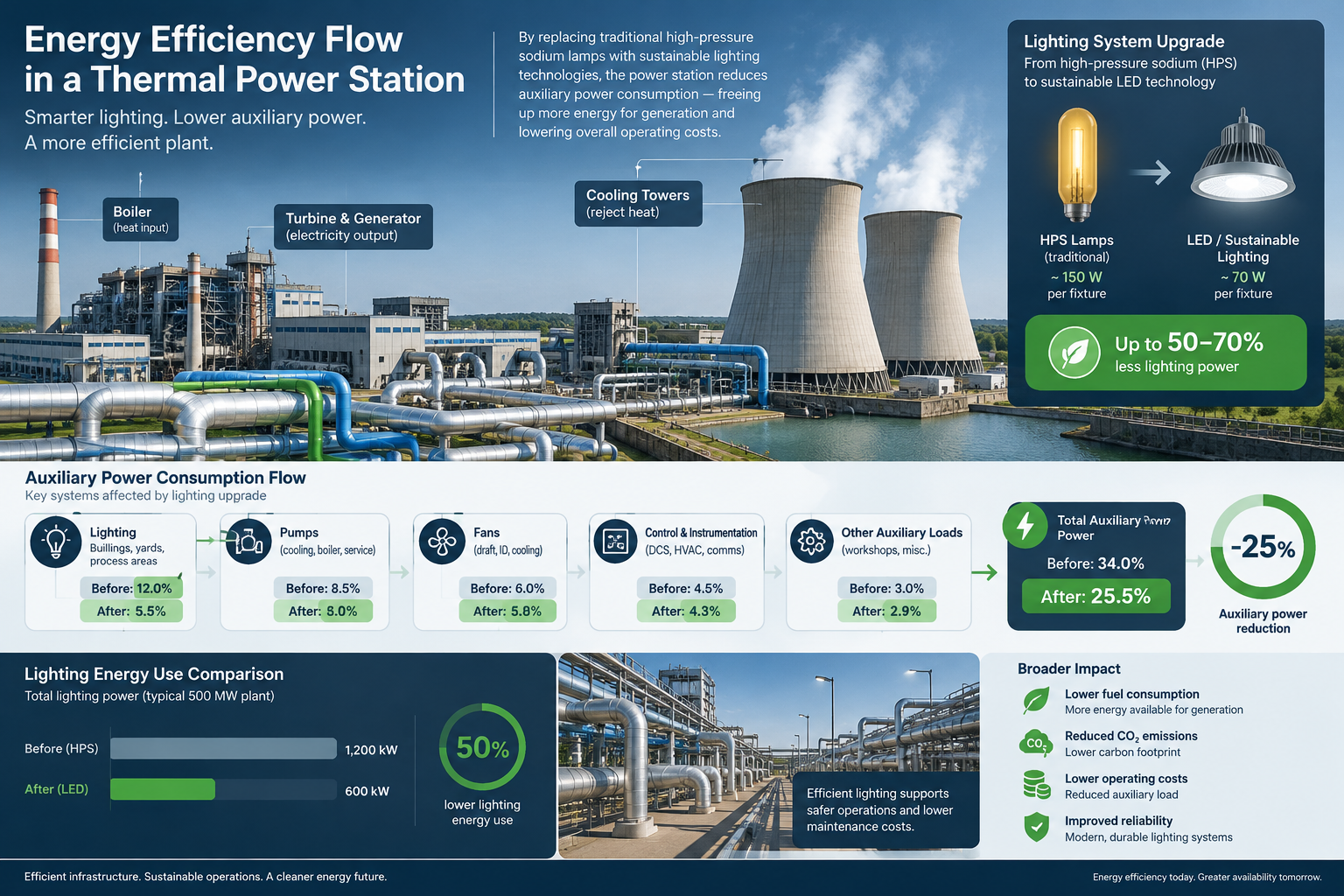
Furthermore, the absence of fragile filaments or glass components makes solid-state lighting inherently resistant to the mechanical vibrations caused by large rotating machinery. This mechanical resilience ensures that lighting systems remain operational even during periods of high vibration, such as during the startup or shutdown phases of a turbine. The reduction in failures leads to a direct decrease in the procurement of replacement parts and the labor associated with their installation. By prioritizing these durable solutions, power station managers can ensure that the lighting infrastructure contributes to overall plant reliability rather than becoming a source of frequent maintenance interventions.
Strategic Implementation of Automated Control Systems
Automated lighting controls represent a critical layer of the modern power station efficiency strategy. By networking lighting fixtures into a centralized management system, operators can gain real-time visibility into energy consumption patterns. This connectivity enables the implementation of dynamic lighting profiles that adjust based on the operational status of different plant areas. For example, lighting in peripheral storage areas or rarely visited cooling tower galleries can be set to a low-output standby mode, increasing to full brightness only when occupancy is detected. This approach ensures that energy is never wasted on illuminating unoccupied spaces while maintaining the highest levels of safety for personnel.
- Occupancy-based dimming in non-critical zones to minimize unnecessary energy expenditure.
- Daylight harvesting in turbine halls and administrative buildings to utilize natural illumination.
- Time-clock scheduling for exterior and perimeter security lighting based on astronomical data.
- Remote monitoring of fixture health to enable proactive maintenance and reduce downtime.
- Integration with building management systems to align lighting with HVAC and security protocols.
The implementation of these controls requires a robust communication architecture, often utilizing industrial-grade wireless protocols or Power over Ethernet. These technologies allow for the deployment of sensors and control nodes without the need for extensive new wiring, which is a major advantage in existing facilities. The flexibility of these systems means that lighting zones can be reconfigured as the layout or usage of the plant changes over time. By incorporating sustainable industrial lighting solutions into the facility, operators can ensure that their lighting infrastructure remains adaptable to future efficiency mandates and technological advancements. This adaptability is essential for maintaining competitiveness in a rapidly evolving energy market where operational margins are constantly scrutinized.
Economic and Environmental Impact of Modernization
The transition to sustainable lighting technologies is driven by both economic necessity and environmental responsibility. From an economic perspective, the return on investment for lighting upgrades in power stations is typically achieved within two to four years. This calculation accounts for energy savings, reduced maintenance labor, and the elimination of disposal costs for hazardous materials found in older lamps, such as mercury. When considered over the twenty-year lifespan of a high-quality LED system, the total cost of ownership is significantly lower than that of any legacy technology. This makes lighting modernization one of the most cost-effective ways to improve the financial performance of a power generation asset.
On the environmental front, reducing auxiliary power consumption translates directly into lower greenhouse gas emissions per megawatt-hour of electricity generated. Even in renewable energy facilities, minimizing internal consumption increases the amount of clean energy delivered to consumers. The removal of mercury and other toxic substances from the lighting supply chain also simplifies waste management and aligns with corporate social responsibility goals. The environmental benefits extend to the reduction of light pollution through precise optics that direct light only where it is needed, minimizing skyglow and its impact on local ecosystems. These factors combine to make sustainable lighting a cornerstone of modern power station design and operation.
Enhancing Operational Safety Through Precision Optics
Safety is the highest priority in any power generation environment, and the quality of illumination plays a direct role in risk mitigation. Traditional lighting often produces uneven light distribution, creating dark shadows and significant glare that can impede the ability of operators to read gauges or identify hazards. Modern sustainable lighting technologies utilize precision optics to deliver uniform light distribution across all work surfaces. This clarity is vital for ensuring that maintenance tasks are performed accurately and that safety signage is always visible. The high color rendering index of these systems also allows personnel to accurately distinguish between colored wires and labels, which is critical for electrical safety.
The instantaneous startup of solid-state lighting is another significant safety advantage. Unlike legacy discharge lamps that require a warm-up period or a cool-down cycle before restarting, modern systems reach full brightness immediately. In the event of a momentary power interruption, the lighting returns instantly once power is restored, preventing the hazardous periods of darkness that occur with older systems. This capability is particularly important in emergency egress routes and critical control areas. By providing a stable and high-quality visual environment, these advanced lighting systems support the overall safety culture of the facility. The investment in these technologies is an investment in the well-being of the workforce and the long-term integrity of the power generation infrastructure.