




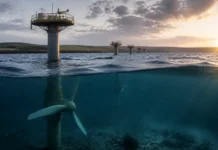
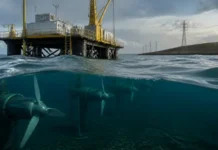
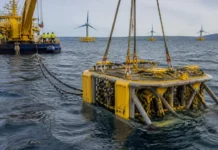
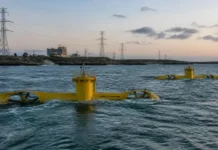
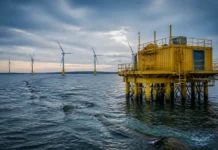



The scale up of tidal energy from prototype demonstrations to commercial arrays necessitates a fundamental rethink of how electricity is collected and conditioned in the marine environment. Central to this transition is the development of offshore electrical infrastructure that can reliably bridge the gap between variable underwater generation and the stability requirements of the onshore power grid. While early projects often connected individual turbines directly to the shore, larger deployments require a more centralized approach to minimize cable costs and optimize electrical performance. This infrastructure serves as the heart of a tidal energy project, providing the necessary substation capacity to aggregate power, step up voltages, and manage the complex electrical signals generated by dozens of turbines.
As the industry moves into deeper waters and higher energy sites, the engineering challenges associated with building and maintaining these platforms become more acute. The offshore electrical infrastructure must be designed to withstand not only the corrosion and biofouling typical of the ocean but also the intense mechanical loads imposed by tidal flows. Additionally, the integration of energy storage and advanced power electronics within these offshore hubs is becoming increasingly common, as developers seek to smooth out the inherent variability of tidal cycles and provide a more consistent energy product to grid operators. This systemic resilience is essential for ensuring that marine energy projects can provide the same level of reliability as conventional power generation assets.
Centralized Substation Design for Tidal Arrays
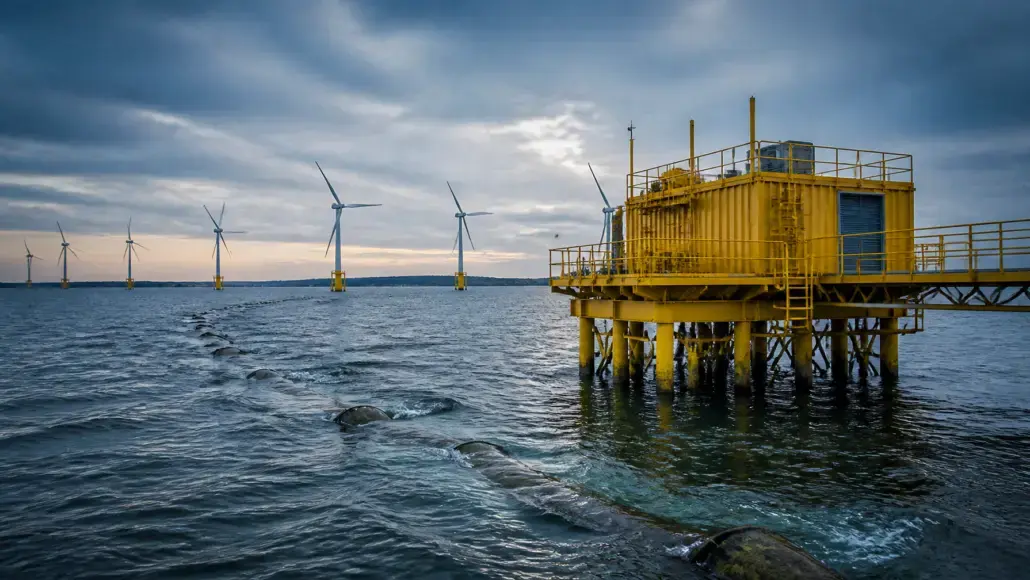
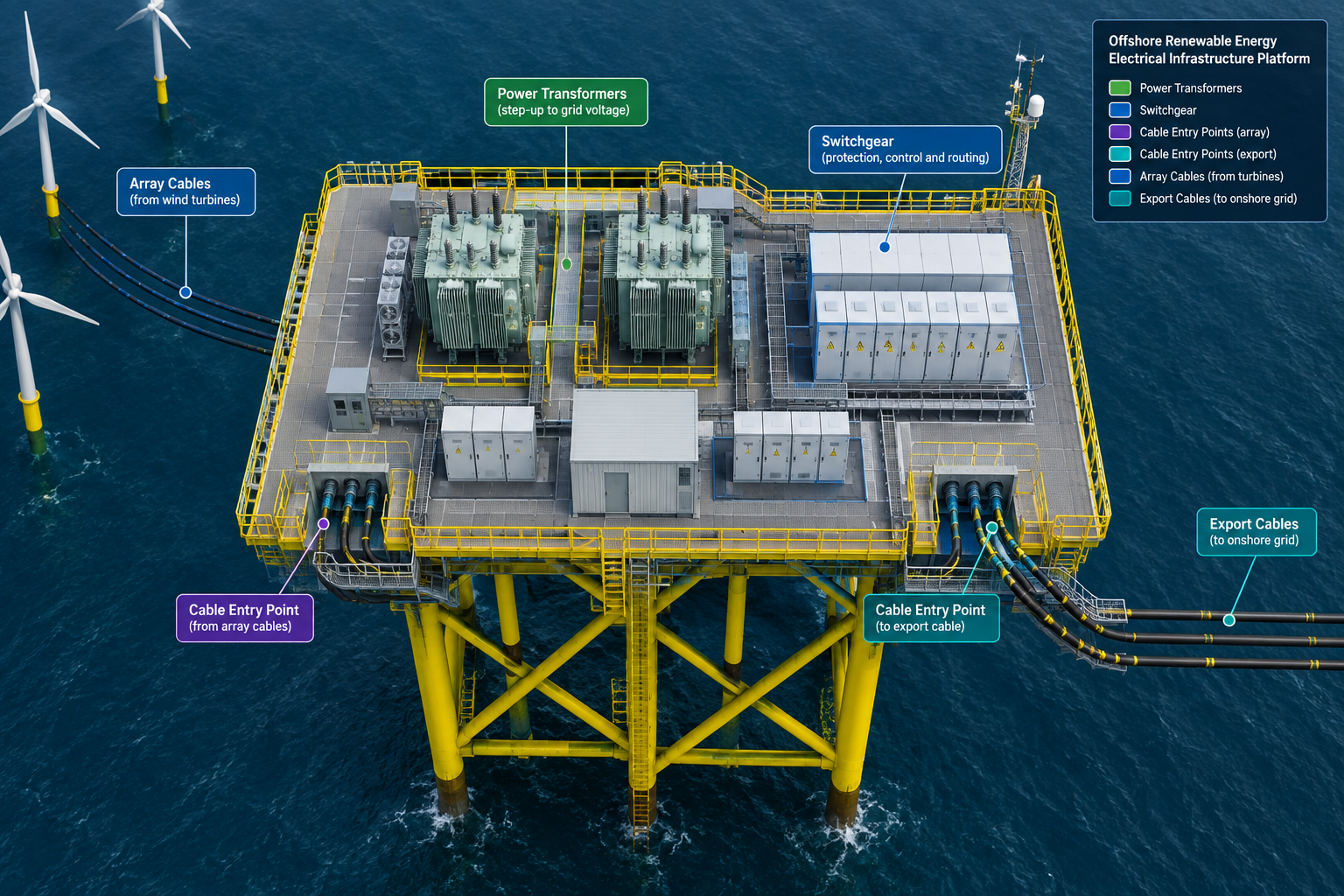
A primary function of offshore electrical infrastructure is the collection of power from multiple generating units. In a large tidal array, turbines are typically arranged in strings, with each unit producing power at a relatively low voltage. To reduce the transmission losses associated with moving this power to shore, it must be aggregated and converted to a higher voltage. This is achieved through the use of offshore substations, which house the transformers and switchgear necessary for voltage step up and circuit protection. These substations can be fixed to the seabed using gravity base or jacket foundations, or they can be floating platforms secured by complex mooring systems. The spatial optimization of these substations within the array layout is critical for minimizing the total length of inter array cabling, which in turn reduces the electrical impedance of the system.
The choice of foundation depends on the water depth and seabed conditions of the site. In shallower tidal races, fixed structures are often preferred for their stability and ease of access. However, as tidal energy projects move into deeper offshore locations, floating offshore electrical infrastructure becomes more cost effective. These floating substations must be engineered to maintain verticality and minimize motion to protect the sensitive electrical components inside. The use of gas insulated switchgear (GIS) is particularly advantageous in these settings, as it allows for a more compact and lightweight substation design compared to traditional air insulated alternatives, which is crucial for reducing the size and cost of the supporting structure. Engineers are also exploring the use of modular substation blocks that can be pre assembled onshore and towed to the site, significantly reducing the duration and risk of offshore installation activities.
Voltage Regulation and Power Quality Management
Tidal energy is characterized by its predictability but also by its intermittent nature, with power output varying according to the lunar cycle and the daily ebb and flow of the tides. This variability can create challenges for grid stability, particularly if the tidal array represents a significant portion of the local energy mix. Therefore, a critical component of offshore electrical infrastructure is the set of systems dedicated to voltage regulation and power quality management. Active front end converters and static synchronous compensators (STATCOMs) are often integrated into the substation to provide reactive power support and manage voltage fluctuations in real time. These systems allow the offshore platform to act as a primary node for grid stabilization, responding to signals from the transmission system operator (TSO) to maintain frequency and voltage within strict limits.
By conditioning the power offshore, developers can ensure that the electricity reaching the onshore grid meets all necessary compliance standards. This reduces the burden on onshore grid infrastructure and allows for a higher penetration of tidal energy into the network. Additionally, the design of these platforms often incorporates Subsea Connection Hubs to aggregate power from lower voltage turbine strings before stepping up the voltage for long distance export. This tiered approach to electrical collection not only improves the overall efficiency of the system but also provides a level of modularity that simplifies the expansion of the tidal array over time. Advanced monitoring systems within the offshore electrical infrastructure track harmonic distortion levels, ensuring that the high frequency switching of the power converters does not introduce noise that could damage other grid assets or interfere with telecommunications.
Durability and Maintenance of Marine Power Systems
The operational life of offshore electrical infrastructure is expected to span several decades, during which time it will be exposed to some of the harshest conditions on Earth. Salt spray, high humidity, and constant mechanical vibration can all lead to the degradation of electrical components. To ensure long term reliability, manufacturers are utilizing high performance coatings and advanced sealing technologies to protect the internal systems of the substation. Beyond this, the use of stainless steel and composite materials in the construction of the platform housing helps to mitigate the effects of corrosion. The ventilation systems for these substations must be carefully designed to prevent the intake of salt laden air while providing sufficient cooling for the large transformers and power electronics.
Maintenance in the offshore environment is notoriously difficult and expensive, particularly in high energy tidal sites where access windows are limited. To minimize the need for manual intervention, modern offshore electrical infrastructure is increasingly equipped with sophisticated remote monitoring and diagnostic systems. These systems utilize a network of sensors to track parameters such as temperature, pressure, and electrical harmonics, allowing operators to detect potential issues before they lead to a system failure. When maintenance is required, the use of modular component designs allows for the rapid replacement of faulty parts, reducing the time that the substation is offline and maximizing the energy yield of the tidal project:
- Sealed cooling systems that prevent the intake of salt laden air into sensitive transformer compartments, utilizing liquid to air or liquid to liquid heat exchangers.
- Automated fire suppression systems designed for the unique challenges of offshore electrical fires, incorporating localized containment and rapid activation.
- Corrosion resistant cable entry points that maintain a hermetic seal against seawater ingress, even under the high pressure conditions of the splash zone.
- Self diagnosing switchgear that can automatically isolate faulty circuits while maintaining power flow elsewhere in the array.
- Modular power blocks that can be easily swapped out using standard ship based cranes, reducing the requirement for specialized heavy lift vessels.
- Active vibration damping systems that protect sensitive relay and control electronics from the mechanical loads of the turbine array and wave action.
These features are essential for reducing the operational risks associated with large scale tidal power deployment. By prioritizing durability and ease of maintenance, developers can ensure that the offshore electrical infrastructure remains a reliable asset throughout the project’s life.
Integration of Energy Storage and Hybrid Systems
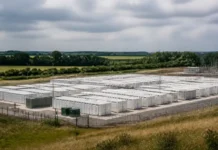
A growing trend in the development of offshore electrical infrastructure is the integration of energy storage systems, such as large scale battery arrays or underwater compressed air storage. These systems can capture excess energy during peak tidal flows and release it when the tide slackens, effectively decoupling the timing of power generation from the timing of power demand. This capability is highly valued by grid operators, as it transforms tidal energy from a variable source into a dispatchable one. Integrating storage directly into the offshore infrastructure can also reduce the required capacity of the export cable, as it prevents peak loads from exceeding the cable’s thermal limits. This optimization of cable sizing can lead to significant cost savings on long distance transmission projects.
In addition to storage, some developers are exploring hybrid offshore electrical infrastructure that combines tidal energy with other renewable sources, such as offshore wind or floating solar. By sharing the same substation and export cable, these hybrid projects can achieve significant cost savings and improve the utilization rate of the electrical infrastructure. For example, the peak generation times for wind and tide often do not coincide, allowing the substations to operate closer to their maximum capacity for a greater portion of the year. This holistic approach to offshore energy development is likely to become more prevalent as the demand for clean, reliable power continues to grow. The shared infrastructure model also simplifies the permitting process, as it reduces the number of offshore platforms and subsea cable routes that need to be approved.
Future Perspectives on Offshore Power Distribution
The continued evolution of offshore electrical infrastructure is fundamental to the long term success of the ocean energy sector. As tidal arrays move toward multi hundred megawatt capacities, the complexity of the electrical systems will only increase. Future developments are likely to include the use of high voltage direct current (HVDC) transmission for very long distance projects, as well as the implementation of subsea substations that reside entirely on the seabed. Such undersea systems would eliminate the need for surface piercing structures, reducing the visual impact of tidal projects and protecting the electrical hardware from the effects of waves and wind. The shift toward DC collection systems within the array is also being researched, as it could eliminate the need for heavy AC transformers on the offshore platforms.
Successful deployment of such advanced offshore electrical infrastructure will require ongoing collaboration between electrical engineers, marine architects, and environmental scientists. By developing standardized designs and shared infrastructure, the industry can further drive down costs and accelerate the global rollout of tidal power. The development of international standards for offshore grid connections will be vital for enabling the cross border trade of marine energy. Ultimately, the ability to collect and transmit ocean energy efficiently will be a defining factor in the transition to a sustainable global energy system, and the infrastructure that enables this process will remain at the forefront of marine technology innovation for years to come.