









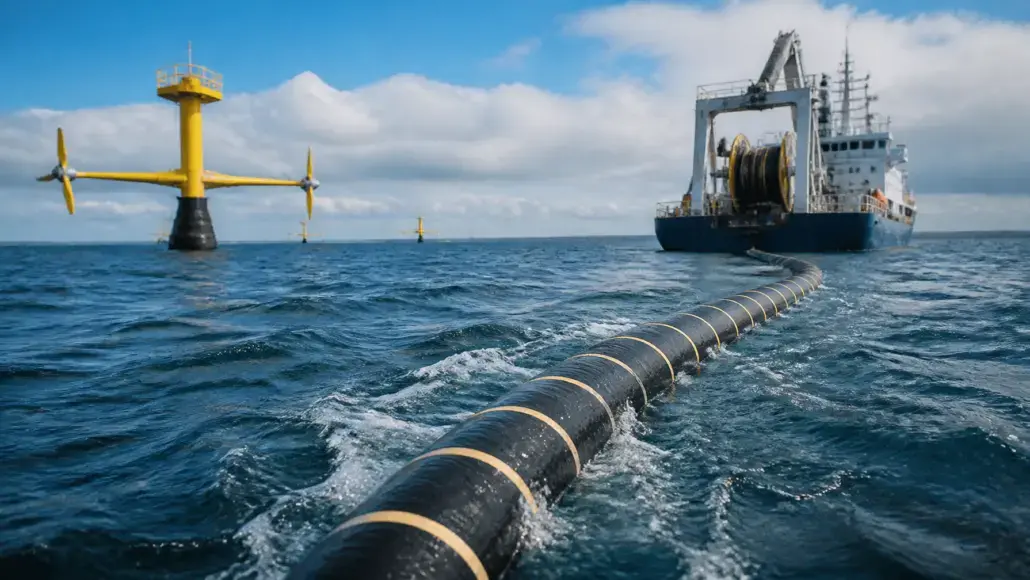

The expansion of tidal energy as a viable component of the global renewable energy mix depends heavily on the ability to transmit harvested power from high energy marine environments to onshore consumer centers. Unlike offshore wind, which often operates in relatively steady conditions, tidal energy systems are situated in areas of intense hydrodynamic activity. These conditions place extreme physical demands on the transmission hardware, specifically the cables that link underwater turbines to the broader network. Consequently, the maturation of subsea cable technology has become a critical focal point for engineers seeking to ensure long term operational stability and commercial viability for tidal arrays. These specialized cables must not only facilitate efficient electrical transmission but also withstand constant mechanical stress from tidal currents, waves, and seabed movement.
The technical requirements for these systems are significantly more complex than those for traditional telecommunications or even static offshore wind cables. In a tidal context, the cable must often remain dynamic, meaning it is suspended in the water column or subject to continuous movement. This necessitates the use of advanced armor layering and bend stiffeners that prevent structural failure over decades of service. As the industry moves toward utility scale deployment, the pressure to reduce levelized cost of energy (LCOE) is driving significant innovation in the materials and configurations used in subsea cable technology to minimize both capital expenditure and ongoing maintenance requirements. Beyond the immediate electrical benefits, the resilience of these cables directly impacts the insurance risk profile of a project, influencing the availability of capital for large scale marine energy developments.
Mechanical Resilience in Dynamic Marine Environments
One of the most significant hurdles in tidal energy grid integration is the mechanical fatigue experienced by cables in the splash zone and the water column. In areas where tidal flow is strong enough to be commercially viable, the forces exerted on subsea infrastructure are immense. Standard static cables are designed to be buried and remain motionless, but tidal systems frequently require dynamic sections that connect a floating or seabed mounted turbine to a static export line. These dynamic sections are subject to millions of cycles of bending and tension over their lifespans. Engineers are addressing this by integrating specialized subsea cable technology that features high tensile steel wire armoring and high density polyethylene (HDPE) outer sheathing to provide a balance between flexibility and protection.
The implementation of bend limiters and stiffeners at the points where the cable enters the turbine or a subsea junction box is essential for preventing localized stress concentrations. Without these components, the cable would quickly succumb to copper fatigue or insulation cracking, leading to catastrophic electrical failure. Additionally, the use of buoyancy modules allows cables to be configured in “lazy wave” or “S-wave” shapes, which decouple the movement of the turbine from the connection point on the seabed. This configuration ensures that the cable can accommodate the motion of the tides without being pulled taut or dragging against rocky substrates, thereby extending its service life significantly. The design process now incorporates advanced computational fluid dynamics (CFD) and finite element analysis (FEA) to simulate the precise stresses a cable will face in a specific tidal race, allowing for a highly customized armoring strategy that avoids over engineering while ensuring safety.
High Voltage Transmission and Power Loss Mitigation
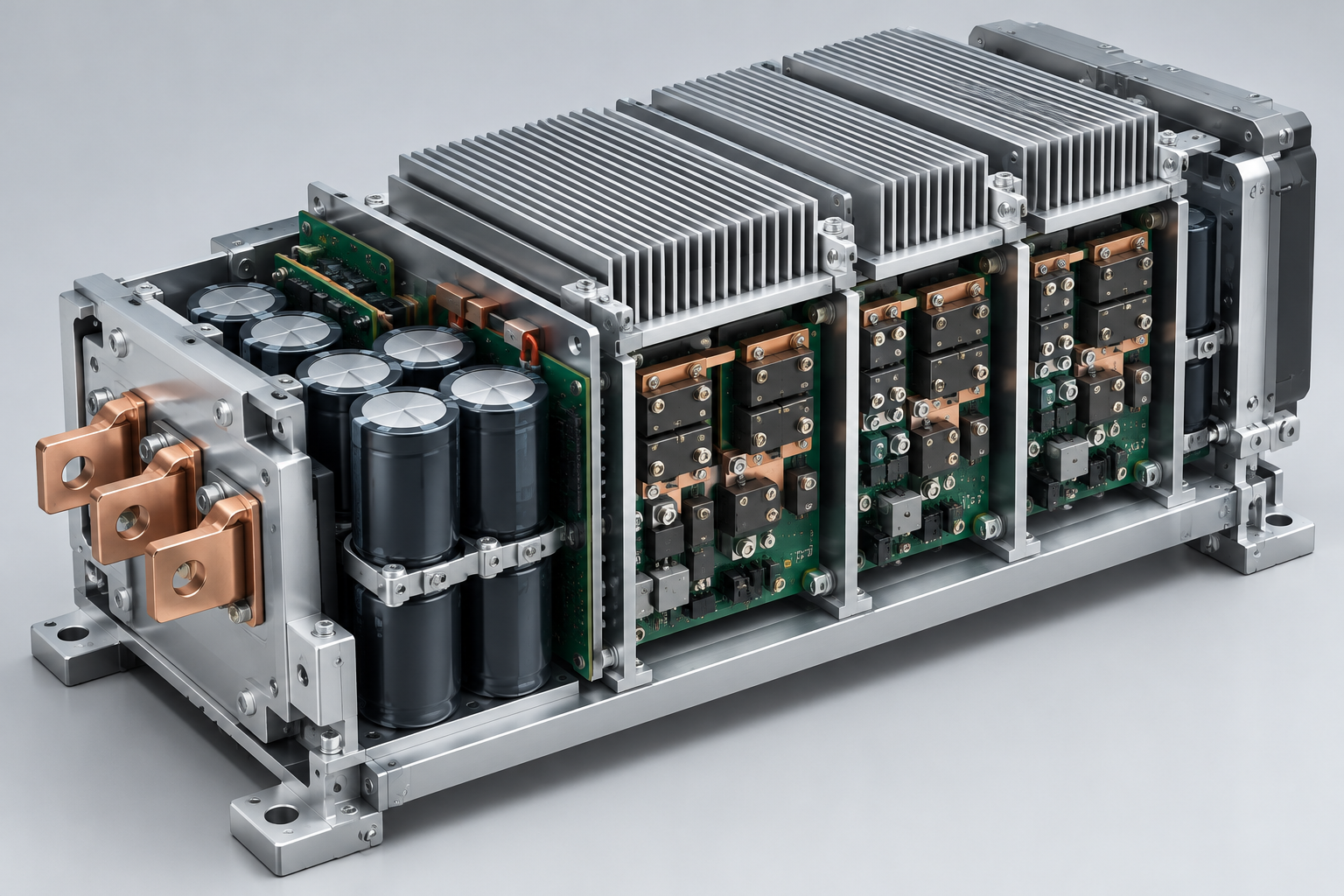
As tidal arrays grow in size and move further from the shore, the efficiency of power transmission becomes a dominant factor in project economics. Transmitting power at low voltages over long distances leads to substantial resistive losses, which can undermine the total energy yield of a project. To combat this, modern subsea cable technology is shifting toward higher voltage ratings, moving from traditional 33 kV systems to 66 kV and even 132 kV for larger export lines. Higher voltages allow for the transmission of more power through smaller conductors, reducing the overall weight and cost of the cable while improving electrical efficiency. This shift requires the development of new dry mate and wet mate connectors that can handle the increased electrical stress without risking breakdown in the pressurized underwater environment.
Insulation materials play a vital role in maintaining the integrity of these high voltage links. Cross linked polyethylene (XLPE) has become the industry standard due to its excellent thermal and electrical properties. However, in the marine environment, the risk of water treeing, a form of electrical degradation caused by moisture ingress, is a constant concern. Advanced subsea cable technology now utilizes metallic barriers, such as lead sheaths or corrugated aluminum, to provide a hermetic seal against the surrounding seawater. These layers are critical for ensuring that the insulation remains dry and effective throughout the 25 to 30 year operational life of the tidal array, even under the high pressure conditions found at depth. Newer designs are also exploring the use of thermoplastic insulation materials that offer higher thermal stability and recyclability compared to traditional XLPE, potentially simplifying the decommissioning process at the end of the project’s life.
Installation and Maintenance Protocols for Tidal Arrays
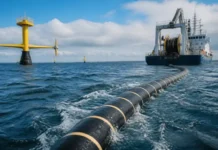
The installation of subsea cables in high energy tidal sites is a high risk operation that requires specialized vessels and precise timing. The very currents that make a site attractive for power generation also make it difficult for ships to hold position during cable laying activities. Installation windows are often limited to slack water periods, which may only last for an hour or less. This operational constraint has led to the development of rapid deployment systems within subsea cable technology, such as quick connect dry mate and wet mate connectors. These components allow for the mechanical and electrical connection of turbines to be performed efficiently without the need for complex underwater splicing. Vessel deck layouts are also being optimized to carry longer continuous lengths of cable, reducing the number of subsea joints which are historically the weakest points in a transmission link.
Maintenance is another area where technological advances are reducing risks and costs. Remote operated vehicles (ROVs) equipped with specialized sensors are now used to conduct regular inspections of cable routes and connection points. These vehicles can detect signs of abrasion, cable exposure, or biofouling before they lead to failure. In many cases, the synchronization of tidal turbine outputs requires a sophisticated offshore electrical infrastructure that can handle fluctuating power loads before transmitting energy to the primary grid. By integrating monitoring systems directly into the cable structure, such as fiber optic strain and temperature sensors, operators can receive real time data on the health of the connection, enabling a proactive approach to asset management. This predictive capability allows for maintenance to be performed during planned outages rather than as an emergency response to a fault, significantly improving the overall project uptime.
Materials Innovation for Enhanced Subsea Connectivity
The selection of materials for the core components of subsea cables is undergoing a shift as manufacturers prioritize environmental sustainability alongside technical performance. The transition away from certain heavy metals and toward recyclable polymers is representative of the industry’s commitment to reducing its ecological footprint. Within the context of subsea cable technology, several key material innovations are currently being deployed to enhance performance:
- Advanced aluminum conductors which provide a lighter and more cost effective alternative to copper for certain long distance applications, reducing the weight of the dynamic section.
- Enhanced semi conductive layers that reduce electrical stress at the interface between the conductor and the insulation, preventing localized heating.
- Biofouling resistant outer coatings that prevent the accumulation of marine organisms which can increase the drag and weight of the cable in high flow areas.
- Smart sensors integrated into the armor layers to provide continuous monitoring of mechanical strain and thermal profiles through the entire cable length.
- Thermally stable insulation materials that can operate at higher temperatures, allowing for increased power throughput during peak tidal flows.
- Zinc coated steel wire armor which offers superior corrosion resistance compared to traditional galvanized options in highly oxygenated tidal environments.
- Aramid fiber reinforcement layers that provide high tensile strength with minimal weight, particularly useful for floating tidal platforms.
These material improvements are not merely incremental; they represent a fundamental change in how subsea cable technology is designed to interact with the marine environment. By utilizing lighter and more durable materials, developers can reduce the size of the vessels required for installation, which in turn lowers the overall carbon footprint and cost of the project. The move toward modularity in cable design also allows for individual components to be replaced or upgraded as new materials become available, ensuring that the infrastructure stays relevant throughout its long operational life.
Enhancing Grid Stability Through Advanced Cable Design
The ultimate goal of advancing subsea cable technology is to ensure that tidal energy can be integrated into the national grid with the same level of reliability as traditional thermal power plants. Grid operators require a steady and predictable flow of energy, and any interruption due to undersea cable failure can cause significant instability. To address this, developers are focusing on redundant cable configurations and ring main systems that allow power to be rerouted if a single cable section is damaged. This system level approach to connectivity ensures that the failure of one turbine or connection lead does not take the entire tidal array offline. By distributing the transmission risk, developers can ensure a more consistent revenue stream and a higher degree of grid security.
In addition to physical redundancy, the electrical characteristics of the cables are being optimized to manage reactive power and voltage fluctuations. As tidal energy is naturally intermittent, the cables must be capable of handling rapid changes in power flow without overheating or causing voltage drops. The integration of power electronics at both the subsea and onshore ends of the cable further enhances this stability, providing the necessary control to match the tidal output with grid demand. This includes the use of active power filtering to manage harmonics generated by the turbine’s power converters. As subsea cable technology continues to evolve, it will play an increasingly central role in the global transition to a low carbon energy future, providing the reliable links necessary to tap into the vast, predictable power of the oceans. The synergy between cable engineering and grid management will ultimately determine the success of tidal energy as a utility scale power source.