





















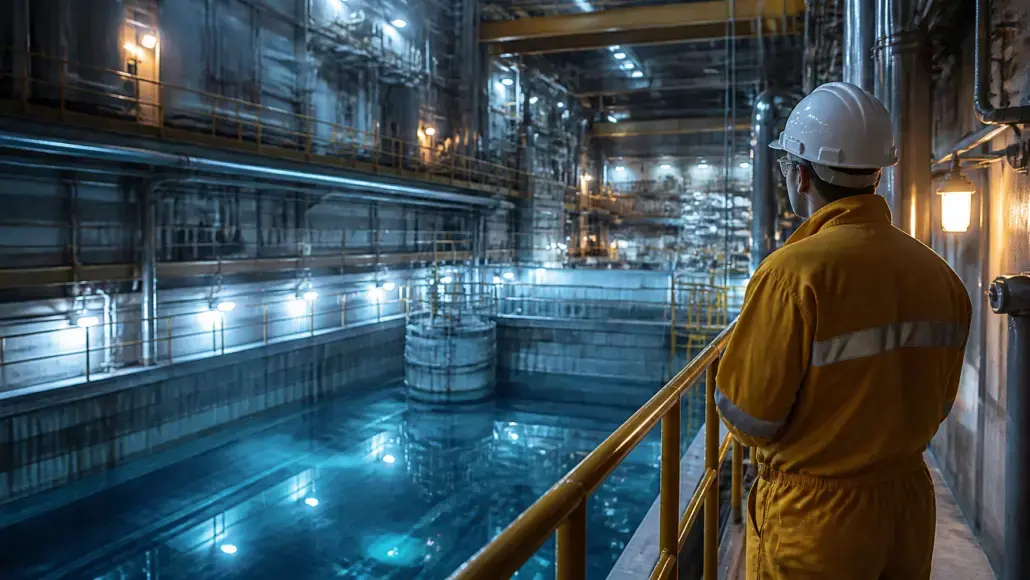

The operational integrity of nuclear power facilities depends on a complex interplay of rigorous safety protocols and reliable support infrastructure. Within this high-stakes environment, the role of illumination extends far beyond basic visibility. It is a critical component of the safety systems that protect both personnel and the reactor core. Ensuring consistent and clear visibility in areas with high radiation levels, humidity, and extreme temperatures is a significant engineering challenge. The adoption of advanced lighting solutions has become a priority for nuclear operators seeking to enhance their safety margins and improve the efficiency of maintenance activities. These systems are specifically designed to operate in environments where standard electrical components would fail prematurely due to ionizing radiation or thermal stress.
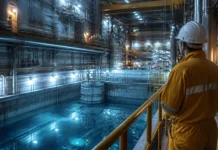
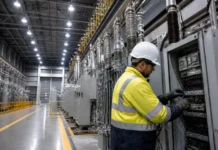
Visibility is paramount during refueling outages and routine inspections, where technicians must identify minute changes in equipment condition. In the containment building, lighting must be both powerful and uniform to prevent shadows that could obscure critical valves or sensors. Traditional incandescent or high-intensity discharge lamps have historically presented challenges due to their short lifespan and the difficulty of replacing them in contaminated areas. The shift toward specialized solid-state systems has revolutionized this aspect of nuclear plant management. These advanced lighting solutions offer significantly longer operational lives and are constructed from materials that do not degrade when exposed to the specific isotopes found within the primary containment. This transition reduces the frequency of maintenance entries, thereby lowering the cumulative radiation dose received by the workforce.
Engineering for High-Radiation Environments
The primary challenge for lighting in nuclear facilities is the presence of gamma radiation, which can cause the browning of lenses and the failure of electronic drivers. Developing advanced lighting solutions for these areas requires the use of specialized materials such as high-purity glass or radiation-resistant polymers for optical components. The electronics must be either shielded or remotely located to ensure they are not damaged by high-energy particles. In many reactor designs, this involves a split-architecture approach where the light-emitting components are placed inside the containment while the control electronics are housed in a protected area. This design philosophy ensures that the most sensitive parts of the system are kept away from the harshest conditions.
Moreover, the spectral composition of the light is optimized for human vision in industrial settings. High-quality illumination with a high color rendering index allows operators to distinguish between various colored wires and safety indicators, which is essential for preventing errors during complex maintenance tasks. The ability to maintain consistent light output over thousands of hours without the flicker associated with aging traditional lamps enhances the working environment and reduces ocular fatigue. By integrating these systems, nuclear facilities can achieve a level of visual clarity that was previously impossible, directly supporting the detection of potential issues before they escalate into safety concerns.
Seismic Resilience and Structural Integrity
Nuclear power plants are built to withstand extreme external events, including seismic activity. Every piece of equipment within the facility, including the lighting fixtures, must meet stringent seismic qualification standards. Advanced lighting solutions are engineered with robust mounting systems and high-strength housings to ensure they remain functional even during a significant seismic event. This structural integrity is vital for maintaining emergency egress routes and providing illumination for operators who must manage the plant during an emergency. The use of lightweight yet durable alloys reduces the static and dynamic loads on the building’s structural supports, contributing to the overall seismic safety of the facility.
In addition to seismic resilience, these fixtures must be resistant to the chemical sprays used in emergency mitigation systems. The housings are typically sealed to high ingress protection standards, preventing the entry of boric acid or other corrosive agents. This protection ensures that the lighting remains available to support damage assessment and recovery efforts following a hypothetical incident. The reliability of these systems is a key element of the “defense in depth” strategy employed by nuclear regulators worldwide. By ensuring that illumination is always available, plant operators can more effectively execute emergency procedures and maintain control over the facility’s critical systems.
Enhancing Inspection Accuracy with Precision Illumination
Routine inspections are the backbone of nuclear safety, and the quality of light directly impacts the accuracy of these assessments. Whether using manual visual inspection or remote camera systems, the presence of clear, shadow-free light is essential. Advanced lighting solutions utilize precision-engineered optics to direct light exactly where it is needed, eliminating glare that can wash out detail on metallic surfaces. This is particularly important for detecting stress corrosion cracking or signs of wear on reactor internal components. The high uniformity of modern LED systems ensures that even the most recessed areas are properly illuminated, reducing the risk of overlooked defects.
- Utilization of radiation-resistant optical glass to prevent lens browning over time.
- Integration of redundant power supplies to ensure continuous operation during component failure.
- Implementation of remote dimming controls to adjust light levels for specific inspection tasks.
- Deployment of emergency battery backup systems integrated directly into the fixture housing.
- Application of specialized coatings to facilitate decontamination of the lighting hardware.
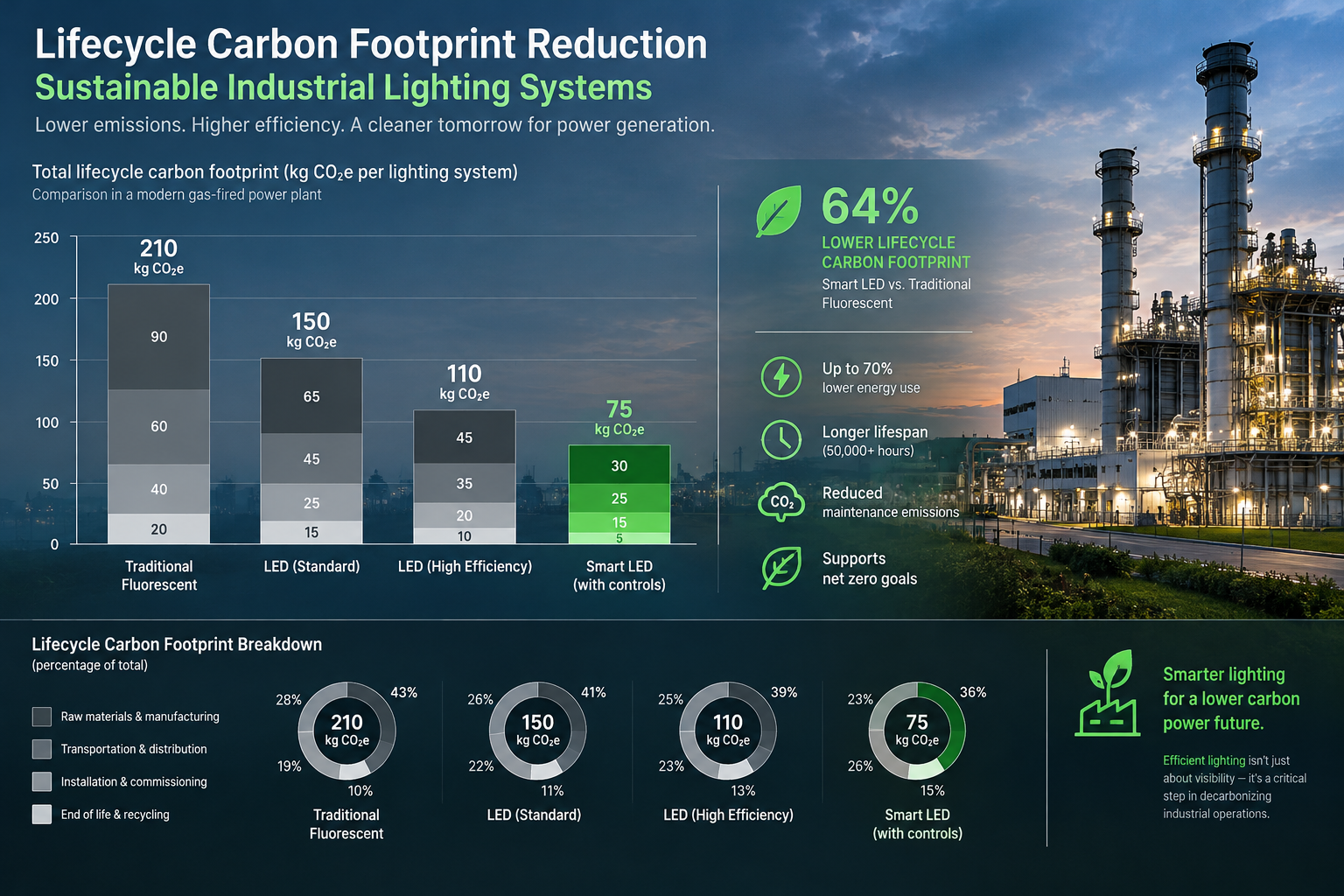
The transition to these technologies also allows for the integration of sensors that can monitor the local environment. Temperature and radiation sensors embedded within the lighting fixtures can provide real-time data to the control room, offering an additional layer of situational awareness. This data can be used to identify localized hotspots or areas of increased radiation before personnel enter the space. The synergy between illumination and environmental monitoring is a hallmark of modern nuclear facility management. By adopting sustainable lighting technologies alongside these specialized systems, operators can optimize the total energy footprint of the facility while maximizing safety. This holistic approach to infrastructure management is essential for the continued viability of nuclear energy in a carbon-constrained world.
Logistics of Maintenance and Replacement in Controlled Zones
Maintenance in a nuclear facility is a highly regulated process that requires extensive planning and protection. Every hour spent by a technician in a radiation area represents a cost in terms of dose budget and labor. Advanced lighting solutions significantly reduce these costs by extending the interval between maintenance interventions. While a traditional lamp might require replacement every two years, modern solid-state systems are designed to last for ten to fifteen years even in challenging conditions. This longevity minimizes the number of times personnel must enter high-radiation zones, directly contributing to the “As Low As Reasonably Achievable” principle of radiation protection.
When replacement is eventually required, the fixtures are designed for rapid installation with tool-less connectors and modular components. This design philosophy minimizes the “stay time” for maintenance crews, further reducing their radiation exposure. The reduction in waste is also a significant benefit, as there are fewer spent lamps and ballasts to manage as radioactive waste. The environmental and economic benefits of these long-life systems are clear, making them a preferred choice for new builds and life-extension projects alike. By streamlining the logistics of lighting maintenance, nuclear operators can allocate their resources more effectively to other critical safety and production tasks.
Future Directions in Nuclear Illumination Technology
The field of nuclear lighting is continuously evolving, with research focusing on even higher levels of radiation tolerance and smarter integration. Future generations of advanced lighting solutions may incorporate fiber-optic delivery systems, where the light source is located entirely outside the containment building and the light is piped in through radiation-proof cables. This would completely eliminate the need for electronics in high-radiation areas and further simplify maintenance. Research is also ongoing into the use of ultra-wide-bandgap semiconductors that are inherently more resistant to radiation damage than silicon or gallium nitride. These advancements promise to deliver even greater reliability and performance in the most extreme environments.
As nuclear facilities move toward digital twinning and increased automation, the lighting infrastructure will play an even more integrated role. Intelligent fixtures that can communicate with autonomous inspection robots or provide precise positioning data for personnel will become standard. The ability of the lighting system to act as a data backbone for other sensors will enhance the overall digital connectivity of the plant. This evolution reflects a broader trend toward the modernization of nuclear infrastructure, where every component is optimized for safety, efficiency, and longevity. The ongoing investment in advanced lighting solutions is a testament to the industry’s commitment to maintaining the highest possible safety standards while embracing technological innovation.