



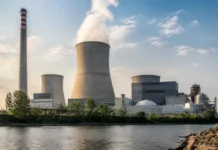
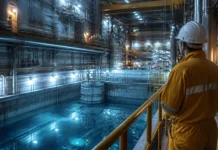
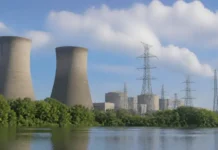


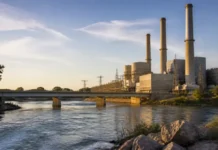




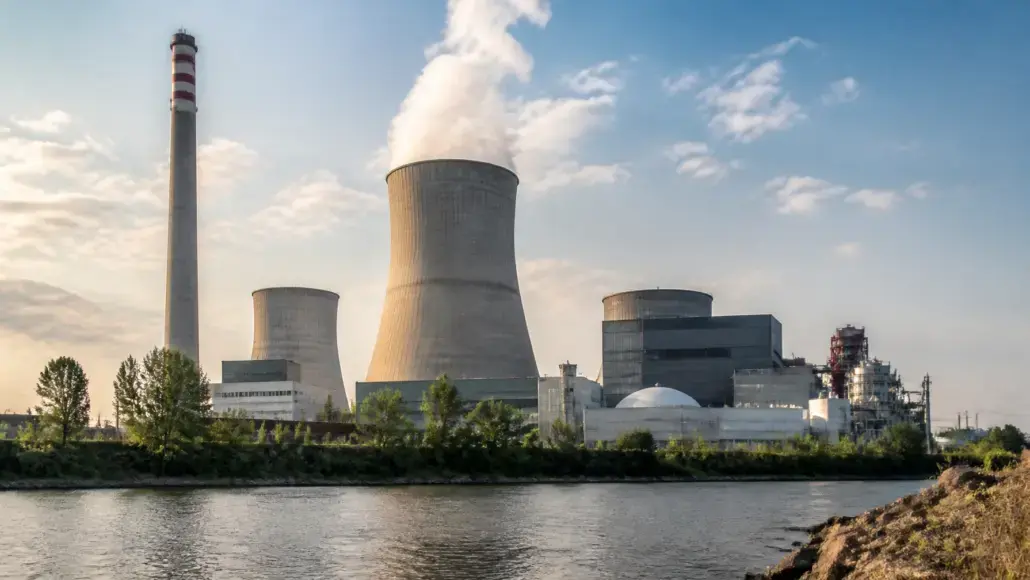

The US Department of Energy has announced US$5 billion in federal funding for nuclear energy, with most of the Illinois nuclear funding expected to benefit the state’s six nuclear power stations. The investment will support modernisation work at eight nuclear power plants across Illinois, Maryland and Pennsylvania, with the upgrades expected to increase electricity generation and extend the operating life of existing facilities.
State Senator Li Arellano, a Republican representing the north side of Peoria, said the funding would bring significant benefits to Illinois because only part of the allocation would go to two power stations outside the state. He said the modernisation programme could also support employment and create opportunities for union workers.
“In addition to the more power that this might have in long-term impact, it might create jobs, lots of great union jobs [and] it might bring a lot of worldwide economy into Illinois,” he said.
Six Illinois Nuclear Plants Included in Funding Programme
The eight nuclear power plants identified for federal support are:
- Braidwood Clean Energy Center, Illinois
- Byron Clean Energy Center, Illinois
- Clinton Clean Energy Center, Illinois
- Dresden Clean Energy Center, Illinois
- LaSalle Clean Energy Center, Illinois
- Quad Cities Clean Energy Center, Illinois
- Calvert Cliffs Clean Energy Center, Maryland
- Limerick Clean Energy Center, Pennsylvania
Illinois’ six nuclear power stations operate a combined total of 11 reactors. Clinton Nuclear Power Station has one reactor, while each of the other five facilities has two.
According to Arellano, the modernisation work will enable the plants to generate more electricity and extend their operating lifecycles. He said the wider programme could bring enough additional power online to serve approximately one million homes.
Illinois is already a net energy exporter, producing more electricity than it consumes. However, rising demand from electric vehicles and data centre developments is increasing pressure on the country’s power system.
State Senators Highlight Long-Term Energy Requirements
State Senator Sue Rezin has also voiced support for nuclear energy investment. She previously helped lead efforts to lift a moratorium on the construction of new nuclear reactors in Illinois.
Rezin said nuclear investments require considerable time to move from planning to operation, making support for existing facilities important to the state’s longer-term energy requirements.
“Illinois is at the center of America’s nuclear energy future, and investments like this are going to help keep it that way,” said the Morris Republican.
“At a time when electricity demand is skyrocketing, and families are already struggling with rising utility costs, expanding our existing nuclear facilities is exactly the kind of investment we need,” she said.
The state’s energy outlook has also raised concerns about future supply adequacy. The Adequacy Resource Study, published in 2025 by the Illinois Power Agency, the Illinois Environmental Protection Agency and the Illinois Commerce Commission, indicated that Illinois could face an energy crisis as early as 2028.
Nuclear Modernisation Part of Wider Energy Planning
Although Illinois currently produces more energy than it consumes, the Illinois nuclear funding is intended to support the modernisation of existing facilities as growing electricity requirements could affect the state’s future supply position. The expansion of electric vehicle use and data centre infrastructure is expected to increase demand, while additional generation capacity will be needed across the United States.
Arellano said the federal investment could help address some of the anticipated pressure on Illinois’ electricity system, but argued that further policy measures would be necessary.
“This doesn’t solve the problem. It is a step in the right direction,” he said. “But the General Assembly in the legislature and the governor really need to do more with energy policy in Illinois.”
The funding announcement places the modernisation of existing nuclear facilities within the state’s broader response to rising electricity demand. While the upgrades are expected to increase output and extend plant lifecycles, state lawmakers have emphasised that additional energy policy measures will also be needed to address Illinois’ longer-term requirements.