
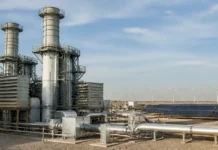
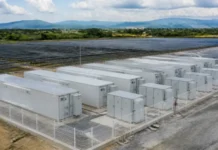
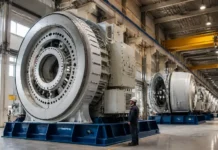
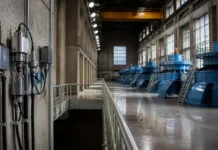

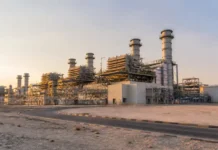


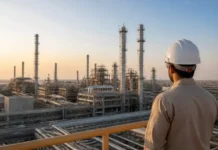
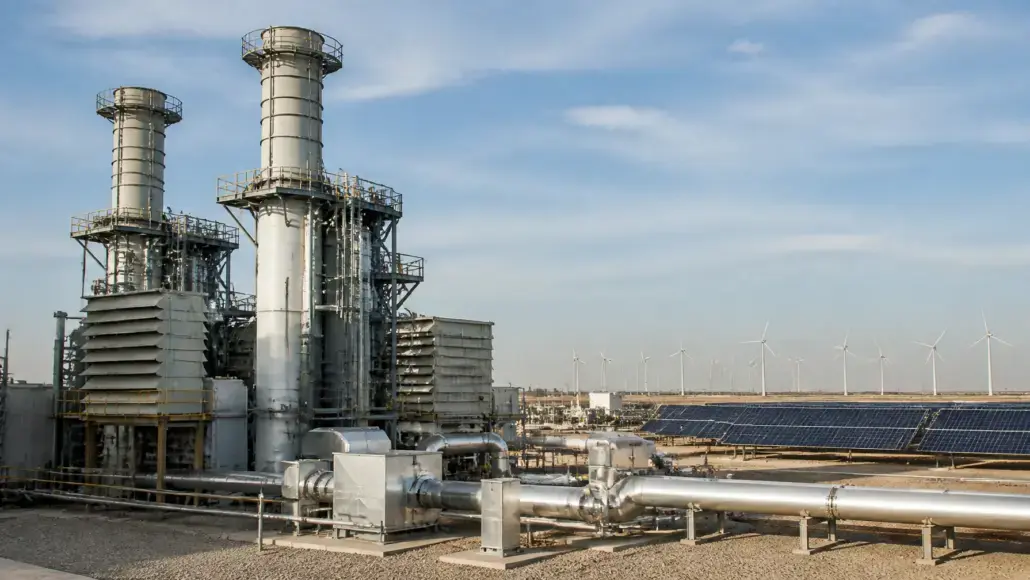

An Italian energy company Eni has achieved a significant operational milestone by commissioning a 120-megawatt gas power plant in Kazakhstan’s Mangystau Region. This advancement represents a substantial development in establishing the nation’s first large-scale hybrid power generation infrastructure, combining multiple renewable and conventional energy sources into a single integrated facility.
The gas power plant in Kazakhstan Mangystau forms part of a comprehensive 247 MW Mangystau Hybrid Power Plant Project. This ambitious initiative is being developed through a collaborative partnership involving the country’s state-owned national oil and gas operator, alongside Plenitude, a company jointly controlled by the Italian energy major and Ares.
Development and Construction Timeline
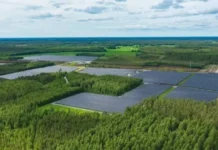
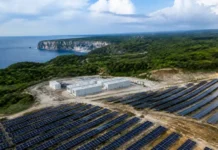
The gas power facility reached completion following an intensive 12-month construction period. The achievement of this milestone occurred after the successful commissioning of a 50 MW solar component in September 2025, with the gas installation achieving First Industrial Electricity in July 2026 before full operational status was attained.
The construction phase involved approximately three million man-hours while maintaining a remarkable safety record, with zero Lost Time Injuries reported throughout the project duration. This achievement underscores the effectiveness of coordination mechanisms among the various local and international stakeholders involved in the project’s implementation.
Integrated Energy Solution
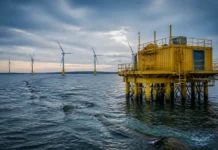
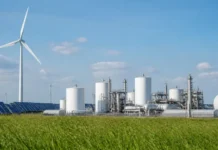
The hybrid power plant in Kazakhstan represents a comprehensive approach to electricity generation. The facility integrates both solar and gas power components, with wind energy generation capacity scheduled for incorporation during a subsequent development phase. This multi-source structure aims to deliver dependable and reduced-carbon electricity supply to regional subsidiary operations while simultaneously contributing to the modernization and diversification of Kazakhstan’s broader energy infrastructure.
The gas power plant in Kazakhstan Mangystau will provide electricity to the subsidiary operations of the national oil and gas company within the region. Beyond immediate operational requirements, the facility serves as a critical component in supporting the country’s energy transition objectives and strengthening overall electricity infrastructure capacity.
Phased Project Completion Strategy
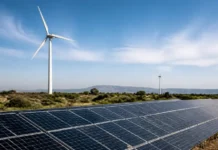
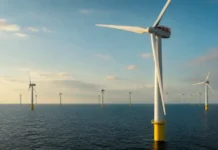
The development of the hybrid facility is progressing according to a carefully planned phase-based schedule. Following the solar installation in September 2025 and gas commissioning in 2026, the next phase involves construction of a 77 MW wind power plant. Project developers anticipate that most civil engineering works associated with the wind component will be completed by the conclusion of 2026. This timeline would enable installation of the initial wind turbine generators, with full commercial operations scheduled to commence in 2027. Upon completion, the entire hybrid power facility is expected to achieve its planned total capacity of 247 MW.
Long-Term Partnership and Regional Operations
The development of the gas power plant in Kazakhstan Mangystau reflects an extended partnership between the Italian energy company and Kazakhstan’s national oil and gas entity. This collaboration builds on more than three decades of continuous operational presence, beginning in 1992. The company maintains substantial interests in several major regional hydrocarbon projects, including a significant stake in the Karachaganak field and participation in the North Caspian Production Sharing Agreement consortium. Additional holdings include interests in both the Caspian Pipeline Consortium and the Baku-Tbilisi-Ceyhan pipeline infrastructure.
Expanding Renewable Energy Portfolio
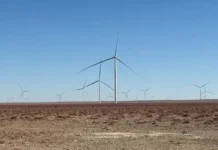
Through its renewable energy subsidiary, the Italian energy company has substantially expanded its clean power presence across Kazakhstan. Existing renewable assets include 96 MW of wind generation capacity at the Badamsha Wind Farms located in the Aktobe Region and a 50 MW solar installation in Shaulder, Turkestan Region. The addition of the Mangystau hybrid power plant in Kazakhstan represents a continuation of this strategic expansion, combining conventional and renewable generation capacity to support more diversified and resilient electricity supply systems across the country.
The integration of multiple energy sources within a single facility represents an important approach to addressing the dual challenges of meeting growing electricity demand while supporting progress toward lower-carbon energy systems. The hybrid power plant in Kazakhstan Mangystau exemplifies how international energy partnerships can facilitate infrastructure development that serves both immediate operational needs and longer-term energy transition objectives.