







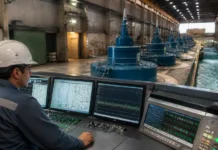
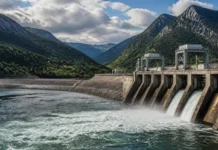







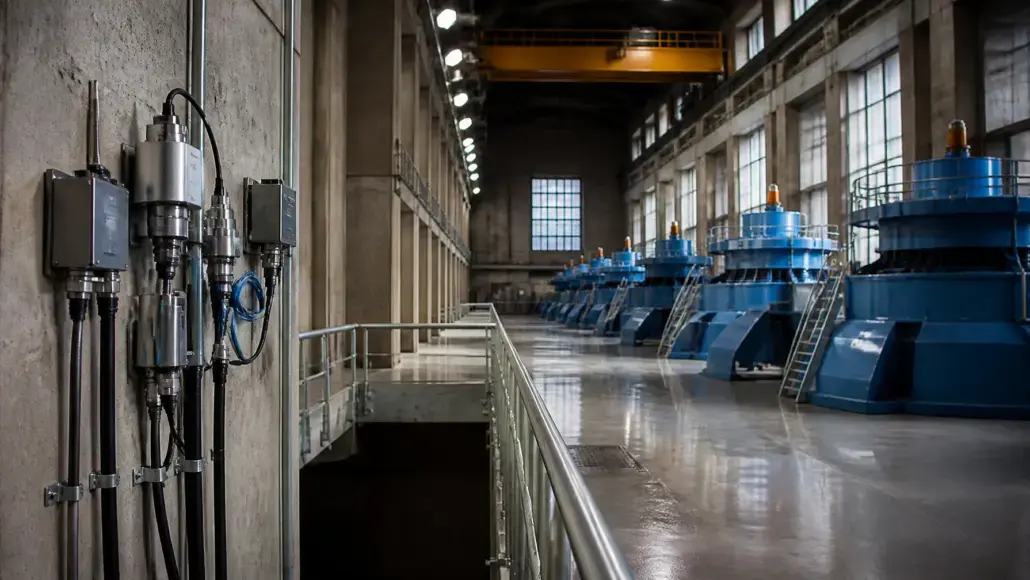

The modernization of hydroelectric infrastructure is increasingly defined by the deployment of advanced sensor networks that provide a granular, real-time understanding of physical and mechanical states. In the past, hydropower plants relied on manual inspections and a limited number of analog gauges to monitor the health of their assets. Today, thousands of interconnected digital sensors capture a massive stream of data from every corner of the facility, from the depths of the turbine pit to the highest point of the dam crest. This shift toward a data-driven operational model allows for unprecedented levels of precision in maintenance, safety management, and efficiency optimization. By providing a continuous digital pulse of the entire facility, these networks ensure that potential issues are identified long before they can manifest as costly failures.
The architecture of these networks involves a sophisticated combination of hardware and communication protocols designed to operate in the harsh and demanding environment of a power plant. Sensors must be able to withstand high humidity, significant electromagnetic interference, and extreme physical vibrations. The transition from wired to wireless sensor technology has also facilitated the deployment of monitoring devices in previously inaccessible areas, such as the rotating parts of the turbine-generator set. These wireless advanced sensor networks use low-power communication standards to transmit data to central gateways, where it is aggregated and analyzed. This increased visibility into the “internal life” of the plant is essential for maintaining the high reliability and availability expected of critical energy infrastructure.
One of the most significant benefits of deploying advanced sensor networks is the transition from reactive to predictive maintenance. By continuously monitoring variables such as temperature, vibration, and oil quality, operators can identify subtle trends that indicate a looming mechanical problem. For example, a slight increase in the vibration frequency of a bearing can be the first sign of wear, long before it becomes audible or causes a visible change in performance. This foresight allows for the planning of maintenance interventions during scheduled downtime, reducing the need for emergency repairs and minimizing the impact on power production. In an industry where a single day of unplanned downtime can cost hundreds of thousands of dollars, the economic value of these insights is immense.
Structural Health Monitoring and Dam Safety
Safety remains the highest priority for any hydropower operator, and advanced sensor networks are the frontline of modern dam safety programs. These networks provide a continuous assessment of the structural integrity of the dam and its foundations, monitoring for signs of seepage, displacement, or pore-water pressure changes. Sensors such as piezometers, inclinometers, and strain gauges are embedded deep within the concrete or the surrounding rock, providing data that is impossible to obtain through surface inspections alone. This deep-level visibility allows engineering teams to detect even the smallest movements in the structure, ensuring that any potential risks are addressed with technical precision.
The integration of these structural sensors with automated alarm systems provides an additional layer of protection for both the facility and the downstream community. If a sensor detects a reading that exceeds a predefined safety threshold, the system can automatically trigger alerts or initiate emergency protocols. This rapid response capability is critical in the event of an earthquake or a major flood, where every second counts. Furthermore, the long-term data collected by these advanced sensor networks allows for the development of sophisticated aging models, helping operators understand how their structures are evolving over decades. This foresight is essential for managing the long-term lifecycle of capital-intensive assets that are expected to remain in service for a century or more.

Environmental monitoring is another critical application for advanced sensor networks in the hydropower sector. Sensors placed in the reservoir and downstream areas track variables such as water temperature, dissolved oxygen levels, and turbidity. This information is essential for ensuring compliance with environmental regulations and for minimizing the impact of the facility on aquatic ecosystems. For instance, if water temperature in the reservoir becomes too high, the operator may adjust the depth from which water is drawn to ensure that the downstream release remains within safe limits for fish and other wildlife. This level of environmental stewardship is made possible by the continuous and accurate data provided by modern sensing technology.
Data Integration and Analytical Platforms
The value of an advanced sensor network lies not just in the data it collects, but in the insights that can be derived from that data through sophisticated analysis. This requires a robust data management platform that can handle the volume, velocity, and variety of information generated by thousands of sensors. Integrated Digital Control Platforms Connecting Hydropower Plant Operations serve as the analytical engine for this data, providing a unified view of the plant’s operational state. These platforms use advanced algorithms and machine learning to process the raw sensor data, filtering out noise and identifying the “signals” that matter most to plant operators.
Modern analytical tools can perform complex correlations between different data streams to provide a more holistic understanding of plant performance. For example, by correlating turbine vibration data with water flow and head height, the system can identify the optimal operational range for each individual unit. This allows for the fine-tuning of generation to maximize efficiency while minimizing mechanical stress. The ability to perform this type of analysis in real-time is a key differentiator for modern hydropower facilities. It moves the industry away from “rule of thumb” operations and toward a model of rigorous, data-driven optimization.
- Real-time Monitoring: Continuous tracking of mechanical and structural parameters to ensure safe and efficient operation.
- Predictive Analytics: Using historical data and machine learning to forecast future maintenance needs and potential failure modes.
- Remote Diagnostics: Allowing experts to analyze plant data from anywhere in the world, facilitating faster troubleshooting and decision-making.
- Regulatory Reporting: Providing a verifiable and comprehensive record of operational and environmental data for compliance purposes.
Additionally, the use of edge computing is becoming increasingly common in advanced sensor networks. By processing data locally at the sensor site, the system can provide near-instantaneous feedback for critical control tasks while reducing the volume of data that needs to be transmitted to the central server. This distributed approach to data processing increases the resilience and speed of the monitoring system, ensuring that time-sensitive information is always available when it is needed most. As sensors become more “intelligent,” they will be able to perform even more complex diagnostic tasks autonomously, further reducing the burden on human operators.
Operational Challenges and Technical Implementation
Deploying an advanced sensor network within an existing hydropower facility is a significant technical undertaking that requires careful planning and execution. Many older plants were not designed with digital connectivity in mind, necessitating the retrofitting of sensors and the installation of new communication infrastructure. This often involves working in difficult and confined spaces, as well as managing the integration of new digital systems with legacy analog equipment. The successful implementation of these networks requires a multi-disciplinary approach, bringing together experts in mechanical engineering, data science, and telecommunications.
Cybersecurity is a paramount concern when connecting critical infrastructure to a digital network. Advanced sensor networks must be protected by robust security protocols to prevent unauthorized access or malicious interference. This involves the use of encryption, multi-factor authentication, and constant network monitoring to detect and respond to potential threats. The air-gapping of critical control systems from the public internet is also a standard practice in the power industry to ensure that the primary functions of the plant remain secure. By maintaining a strong security posture, operators can enjoy the benefits of digital connectivity without compromising the safety and reliability of their assets.
The management of sensor health and calibration is another key operational task. Sensors themselves can fail or drift over time, leading to inaccurate readings and potentially misleading insights. To ensure data integrity, advanced sensor networks often include self-diagnostic features that monitor the health of each individual device. Regular calibration and maintenance schedules are also essential for ensuring the long-term accuracy of the system. The goal is to create a monitoring environment where the data can be trusted implicitly, providing the solid foundation needed for critical operational decisions. By investing in high-quality hardware and rigorous maintenance practices, hydropower operators can ensure the long-term success of their digital transformation initiatives.
Future Horizons in Sensing Technology
The future of advanced sensor networks will be defined by the further miniaturization of hardware and the increasing application of artificial intelligence. Micro-Electro-Mechanical Systems (MEMS) will allow for the deployment of even smaller and more sensitive monitoring devices, providing even greater levels of detail on mechanical and structural states. Additionally, the development of self-powering sensors, which harvest energy from their environment through vibration or thermal gradients, will reduce the need for batteries and wiring, further simplifying deployment. These technological advancements will make it easier and more cost-effective to implement comprehensive monitoring solutions across all types of hydropower facilities.
The integration of these sensor networks with wider energy systems will also create new opportunities for optimization and resilience. By sharing data between different plants and the regional grid, operators can achieve a more holistic view of the energy supply chain, supporting more effective load balancing and grid management. The transition toward a “fully digital” hydropower plant, where every physical action is mirrored and analyzed in a virtual environment, is well underway. This evolution will ensure that the hydropower industry remains at the forefront of the global energy transition, providing the reliable and sustainable power needed for a modern world.
In conclusion, the deployment of advanced sensor networks is a critical step in the modernization of the hydropower industry. These networks provide the data-driven insights needed for precise maintenance, enhanced safety, and optimal operational efficiency. By providing a continuous and granular view of the physical state of hydroelectric assets, they ensure the long-term reliability and sustainability of this vital source of clean energy. As technological innovation continues to drive the industry forward, the further refinement of these sensing tools will remain a top priority for power producers worldwide.