






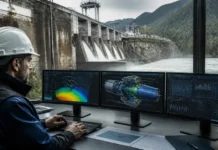







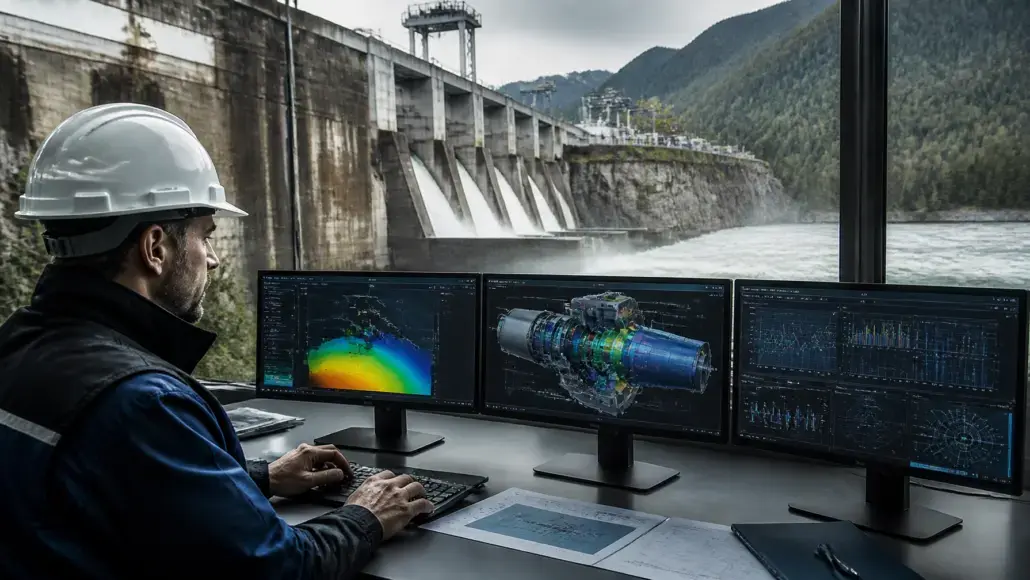

The global energy transition places significant pressure on existing hydroelectric infrastructure to perform with unprecedented levels of flexibility and reliability. As traditional base load providers, hydropower plants are increasingly called upon to balance the inherent variability of solar and wind resources. This shift in operational demand necessitates a deeper understanding of mechanical stress and hydraulic dynamics, which is precisely where digital twin simulation emerges as a critical technical asset. By creating a high-fidelity virtual replica of physical assets, operators can model complex scenarios without risking the integrity of multimillion-dollar hardware. These virtual models integrate real-time data from across the facility, allowing for a comprehensive view of how individual components interact under varying load conditions.
Implementation of a digital twin simulation allows for the virtualization of the entire power generation cycle, from water intake to grid discharge. This technical approach moves beyond static modeling, incorporating dynamic variables such as water temperature, pressure fluctuations, and material fatigue. Engineering teams utilize these simulations to predict how a plant will respond to sudden changes in grid demand, which is a frequent occurrence in modern power markets. The ability to simulate these transitions in a risk-free environment ensures that physical adjustments are backed by rigorous data analysis. Furthermore, these simulations facilitate the testing of new control algorithms and operational strategies before they are deployed in the field, reducing the likelihood of unforeseen technical failures or efficiency losses.
Predictive maintenance represents one of the most significant advantages of deploying a digital twin simulation within a hydropower context. Instead of relying on fixed maintenance schedules, which can lead to unnecessary downtime or late-stage component failure, operators can transition to a condition-based model. The simulation identifies subtle deviations from expected performance, flagging potential issues long before they manifest as physical defects. This proactive stance is essential for maintaining the structural health of ageing dams and turbine units. By analyzing vibration patterns and thermal signatures within the virtual environment, technicians can pinpoint the exact moment a component requires attention, thereby extending the lifecycle of the entire plant and ensuring continuous power availability for the regional grid.
Technical Architecture and Data Integration in Hydropower Simulation
Building a functional digital twin simulation requires a sophisticated data architecture that can handle massive streams of information from diverse sources. This architecture must bridge the gap between operational technology and information technology, creating a unified data environment that reflects the current state of the physical plant. Sensors placed throughout the facility capture mechanical, hydraulic, and electrical data, which are then fed into the simulation engine. This engine uses advanced algorithms to process the data, ensuring that the virtual model remains synchronized with the physical asset in real-time. The precision of this synchronization determines the accuracy of the insights generated, making high-quality data acquisition a prerequisite for success.
The integration process involves several layers of complexity, starting with the physical sensor layer and extending to the cloud-based analytical platform. Each component of the hydropower plant, from the massive turbine runners to the smallest valve actuators, must be represented with high geometric and functional accuracy. This level of detail allows the digital twin simulation to account for micro-level changes that could impact macro-level performance. For instance, small changes in water quality or sediment levels can be modeled to determine their long-term erosive effects on turbine blades. By understanding these micro-interactions, plant managers can adjust operational parameters to minimize wear and tear while maintaining optimal power output levels.
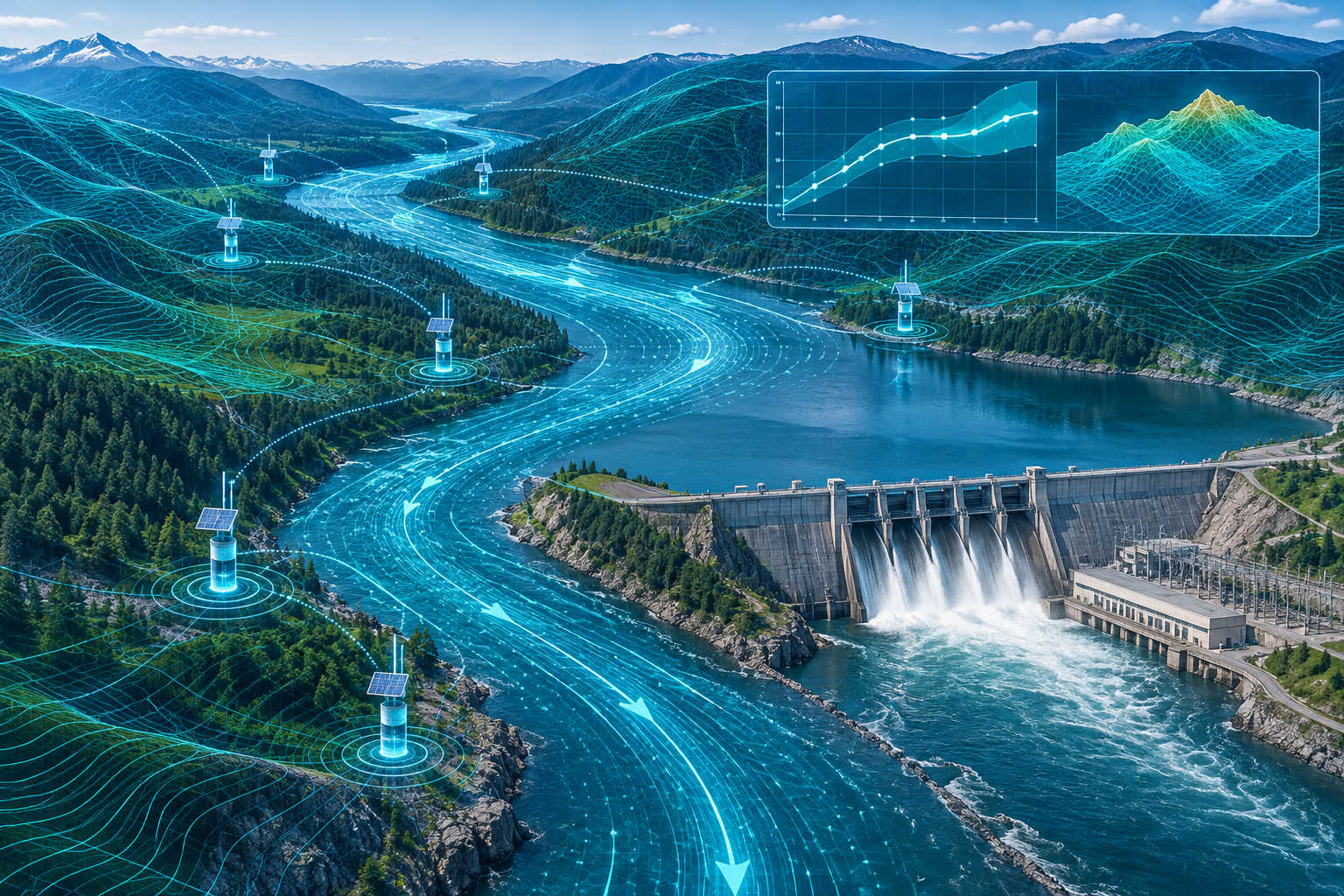
Additionally, the software environment supporting the digital twin simulation must be capable of performing high-performance computing tasks. Complex hydraulic simulations require significant processing power to model the behavior of water as it moves through the intake gates and spiral cases. These calculations must be performed rapidly to provide actionable insights to plant operators. Modern platforms utilize edge computing to process critical data locally, ensuring that the most time-sensitive information is available without latency. This hybrid approach to data processing ensures that the simulation remains a responsive tool for real-time decision-making, rather than a retrospective analysis tool.
Optimization of Operational Efficiency and Capacity Planning
Long-term capacity planning in the hydropower sector is increasingly dependent on the insights derived from digital twin simulation. As climate patterns shift and water availability becomes more volatile, operators must be able to project future generation capacity with high confidence. The simulation allows for the modeling of multi-year hydrological scenarios, helping managers understand how their facilities will perform during periods of drought or extreme rainfall. This foresight is critical for maintaining financial stability and meeting contractual obligations to the power grid. By understanding the limits of their physical assets in the virtual world, operators can develop more resilient generation strategies that adapt to changing environmental conditions.
The optimization of power generation precision is another key focus of digital twin simulation initiatives. By fine-tuning the relationship between water flow and turbine speed, plants can extract more energy from every cubic meter of water. The simulation identifies the “sweet spot” for operational efficiency, which often changes based on the head height of the reservoir and the age of the turbine equipment. Operating within this optimal range not only maximizes revenue but also reduces the environmental footprint of the facility. Smart Water Flow Forecasting Supporting Hydropower Generation Planning is a closely related technical field that complements the internal plant simulation by providing external environmental data. When these two systems are interlinked, the plant can adjust its internal operations in anticipation of changing river conditions.
- Operational flexibility: The ability to ramp power up or down quickly in response to grid signals.
- Resource management: Maximizing energy extraction from available water resources.
- Life extension: Reducing mechanical stress to prolong the service life of capital-intensive assets.
- Risk mitigation: Identifying failure modes in a virtual environment before they occur physically.
The continuous refinement of a digital twin simulation leads to a virtuous cycle of improvement. As more data is collected, the virtual model becomes more accurate, leading to better operational decisions and more precise maintenance interventions. This evolution is particularly important for large-scale hydropower projects where even a small percentage increase in efficiency can result in significant financial gains. The technology also supports the integration of new renewable energy sources by providing a stable and predictable base of flexible power. As the energy industry continues to modernize, the role of virtual modeling will only grow in importance, becoming a standard requirement for all large-scale power generation facilities.
Structural Integrity Monitoring and Safety Management
Safety remains a paramount concern in the hydropower industry, particularly given the catastrophic consequences of dam failures or major mechanical breakdowns. Digital twin simulation plays a vital role in structural health monitoring by providing a constant assessment of the physical state of the dam and its associated structures. Virtual models can simulate seismic events or extreme pressure surges to determine how the physical structure will react. This allows engineering teams to identify potential weak points and implement reinforcement measures before a crisis occurs. The simulation provides a level of visibility into the structural health of the asset that is impossible to achieve through manual inspections alone.
Data-driven safety management extends to the mechanical systems within the plant as well. The digital twin simulation monitors the thermal and vibration limits of the generators, ensuring that they operate within safe parameters. If the simulation detects a trend toward an unsafe condition, it can automatically trigger alerts or even initiate protective shutdowns. This automated oversight reduces the burden on human operators and provides an additional layer of protection against human error. By maintaining a constant virtual watch over the entire facility, the system ensures that safety protocols are strictly followed and that potential risks are addressed with technical precision.
The implementation of these advanced simulation tools also facilitates regulatory compliance. Power generation facilities are subject to stringent safety and environmental regulations, requiring regular reporting on structural health and operational performance. A digital twin simulation provides a comprehensive and verifiable record of the plant’s condition, making it easier to demonstrate compliance to government authorities. The detailed data logs generated by the simulation can be used to support safety audits and to justify investments in infrastructure upgrades. This transparency builds trust with regulators and the public, ensuring the continued social license to operate these critical pieces of infrastructure.
Future Perspectives on Hydropower Simulation Technology
Looking ahead, the convergence of artificial intelligence and digital twin simulation will further enhance the capabilities of hydropower operators. Machine learning algorithms will be used to analyze vast datasets generated by the simulations, identifying complex patterns and correlations that are invisible to the human eye. This will lead to even more accurate predictive maintenance and more efficient generation strategies. The ability of the system to learn from past performance will ensure that the simulation becomes increasingly sophisticated over time, adapting to the unique characteristics of each individual plant. This transition toward autonomous optimization represents the next frontier in hydroelectric technology.
The expansion of these simulation tools to the entire power grid will create a more resilient and efficient energy system. By linking the digital twins of multiple hydropower plants with the simulations of wind farms, solar arrays, and energy storage facilities, grid operators can achieve a holistic view of the energy supply chain. This interconnectedness will allow for more precise load balancing and more effective management of peak demand periods. The digital twin simulation will serve as the foundation for this integrated energy future, providing the technical framework for a more sustainable and reliable power grid. As investment in digital infrastructure continues to rise, the hydropower sector is well-positioned to lead the way in this technological transformation.
Ultimately, the successful deployment of a digital twin simulation depends on a commitment to technical excellence and continuous innovation. Hydropower operators must invest in both hardware and software, as well as the specialized skills required to manage these complex systems. The transition to a data-driven operational model is a significant undertaking, but the benefits in terms of efficiency, safety, and reliability are undeniable. By embracing virtual modeling, the hydropower industry can ensure its continued relevance in a rapidly changing energy landscape, providing the flexible and sustainable power needed to support a modern global economy.