

























A Q&A with Penny Moyses, Event Director, LiGHT 26, Messe Frankfurt UK
The Event Experience & What’s New
1. LiGHT 26 brings together Architectural, Decorative and Technical zones. What does this structure tell us about how the lighting industry itself is evolving?
I think it reflects how lighting is increasingly being recognised as a strategic part of the built environment rather than simply a technical requirement or an aesthetic consideration.
Modern lighting influences energy performance, wellbeing, productivity, sustainability, aesthetics and the overall experience of a space. At the same time, decisions around lighting intersect with architecture, interiors, engineering, controls and increasingly wider building technologies.
The three zones reflect those different but closely connected aspects of the industry. Architectural and Decorative lighting demonstrate the creative possibilities of light, while the Technical Zone opens up conversations around controls, connectivity, data and intelligent buildings.
What is particularly interesting is the increasing convergence between these areas. Lighting systems are becoming more intelligent, responsive and integrated into wider building ecosystems, and that is changing how lighting is considered within the design and specification process.
Bringing these disciplines together creates opportunities for conversations that might not happen within a more traditional exhibition environment, and that is one of LiGHT’s real strengths.
2. The Technical Zone brings controls, commercial and urban lighting, OEM components and emergency lighting into focus. Why was it important to give these technologies greater visibility at LiGHT 26?
We wanted to give these technologies greater visibility because they play an increasingly important role in how lighting is designed, specified, installed and managed. While architectural and decorative lighting often take centre stage, the technologies behind effective lighting solutions are equally important to building performance, safety, sustainability and long-term efficiency.
The Technical Zone provides an opportunity to explore the technologies and systems that support those wider objectives, from controls and connectivity to the components and infrastructure behind effective lighting solutions.
As lighting becomes more connected and intelligent, the technologies supporting these systems are creating new opportunities for innovation, integration and improved building performance.
At the same time, good specification needs to consider not only light quality and performance, but also controls, maintenance, flexibility and the long-term needs of a building.
By bringing these technologies into focus, we can encourage greater collaboration between manufacturers, lighting designers, engineers, installers and other specification professionals, helping to ensure that lighting is considered as part of the wider building strategy rather than in isolation.
3. Which emerging technologies, innovations or ideas do you expect to create the biggest “I didn’t know lighting could do that” moments for visitors?
For me, one of the most interesting developments is not necessarily a single technology, but the increasing convergence between lighting and wider building systems.
Lighting is already distributed throughout almost every occupied building, which creates significant opportunities as systems become more connected and intelligent. We are seeing lighting interact with occupancy data, environmental controls, energy management and wider building automation in ways that move it far beyond its traditional role.
As technologies such as digital twins and integrated building management systems continue to develop, lighting will play an increasingly central role in providing information and enabling responsive environments.
AI is another area with significant potential. We are already seeing technologies that can analyse building performance, optimise energy use, support lighting calculations and streamline project workflows.
I think the real moments of discovery will come when visitors see how these technologies can work together, helping buildings become more responsive, efficient and focused on the people using them.
4. How are exhibitors and visitors responding to the growing convergence between lighting, smart buildings, energy efficiency and building management?
From the conversations I have been having across the industry, there is strong momentum around connected lighting, smarter controls, AI-driven building management and data-driven building performance.
What is particularly encouraging is the growing recognition that lighting needs to be considered as part of a wider building strategy. This is creating opportunities for greater collaboration between manufacturers, designers, engineers and building owners, with a stronger emphasis on how different technologies can work together effectively.
There is also a growing recognition that technology needs to be practical and accessible. For connected buildings to deliver their full potential, systems need to be understandable for the people specifying, installing, commissioning, managing and ultimately using them.
That makes collaboration and interoperability increasingly important, and these are exactly the kinds of conversations we want to encourage at LiGHT 26, particularly within and around the Technical Zone.
5. LiGHT’s programme extends beyond products into sustainability, circularity, business, wellness and the future of design. Why are these broader conversations so important for the industry today?
The lighting industry is facing increasingly complex challenges, from sustainability and wellbeing to digital integration, evolving regulations and the pace of technological change.
These issues cannot be addressed through product innovation alone. They require collaboration, knowledge-sharing and a greater understanding of how lighting contributes to wider project objectives.
Sustainability is a good example. The conversation is no longer simply about how much energy a product consumes in use, but how it is made, how long it will last, whether components can be maintained or replaced and what happens at the end of its useful life.
Equally, human-centric lighting is becoming an increasingly important consideration. Lighting influences visual comfort, mood, productivity and the overall experience of a space, and these principles are moving from being viewed as specialist considerations towards becoming part of mainstream lighting design.
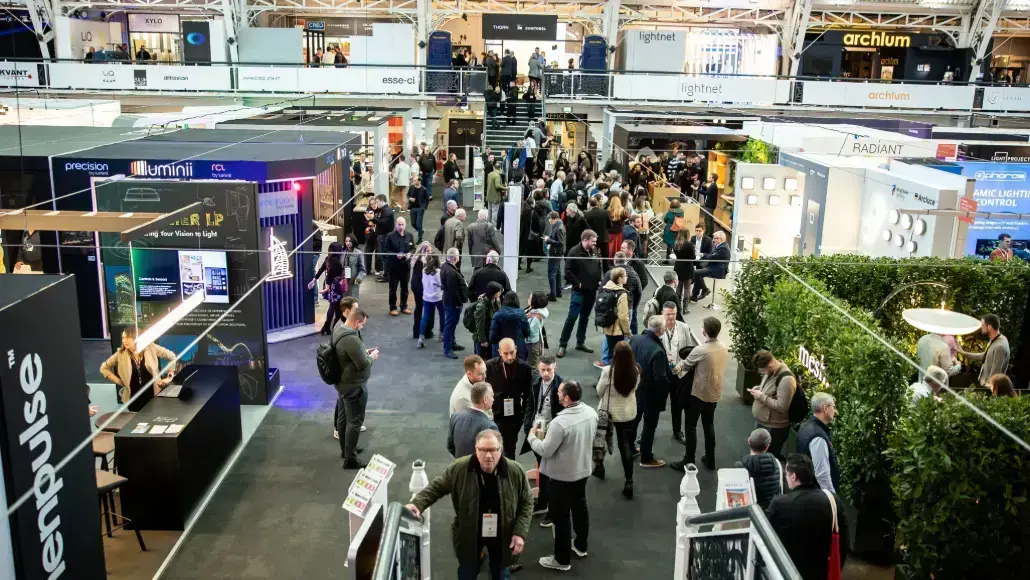
LiGHT has become a platform for dialogue as much as discovery. Our two-day talks programme, expert panels and industry-led discussions are designed to give visitors insight into emerging trends, practical challenges and future opportunities.
The products on display are important, but understanding the thinking behind them is equally valuable. Our role is to create an environment where meaningful conversations can happen between manufacturers, designers, architects, engineers and end users, because those discussions can often become the catalyst for innovation.
Lighting, Energy & Smart Infrastructure
6. Lighting has traditionally been viewed primarily as a design and building requirement. Why does it now deserve a much bigger place in conversations around energy efficiency and intelligent infrastructure?
I believe one of the biggest misconceptions about lighting is that it is primarily about illumination. Modern lighting influences energy performance, wellbeing, productivity, sustainability and the overall experience of a space. It has become a strategic design discipline that contributes to wider building objectives.
Lighting is also becoming one of the most valuable sources of data and connectivity within modern buildings. Intelligent lighting systems can support occupancy monitoring, energy management, environmental controls and user experience simultaneously.
Rather than being viewed simply as a utility, lighting is becoming part of the infrastructure that helps a building understand how it is being used and respond accordingly.
There is also an important commercial consideration. High-quality, energy-efficient products can deliver significant operational savings, lower maintenance requirements and improved lifecycle performance.
I think the conversation needs to shift from upfront cost to long-term value, recognising the contribution that well-designed, intelligent lighting systems can make to both environmental performance and the overall operation of a building.
7. We often discuss the future of energy through generation, storage and grids. Should we also be paying greater attention to how intelligently buildings consume energy?
Absolutely. Improving how intelligently buildings use energy is an important part of improving overall building performance, and lighting has a significant role to play in that conversation.
The opportunity lies in making buildings more responsive to how they are actually used, rather than relying on fixed operating patterns. By making better use of intelligent technologies, we can reduce unnecessary energy consumption while maintaining the comfort, functionality and performance that occupants expect.
As lighting becomes increasingly connected to wider building management systems, there is an opportunity to move beyond considering individual products and instead look at how different technologies work together to improve efficiency and performance.
However, increasing technological capability should not translate into unnecessary complexity. For intelligent buildings to deliver their full potential, systems need to be practical, interoperable and accessible to the people specifying, installing, managing and using them.
Sustainability and commercial viability should not be viewed as competing priorities. The most successful innovations are those that deliver environmental benefits alongside clear commercial advantages, whether through reduced energy consumption, lower maintenance requirements or improved lifecycle performance.
Ultimately, the technology needs to serve the building and its occupants. If we can combine sophisticated capability with greater simplicity and accessibility, connected lighting has an enormous role to play in creating more efficient, responsive and sustainable buildings.