



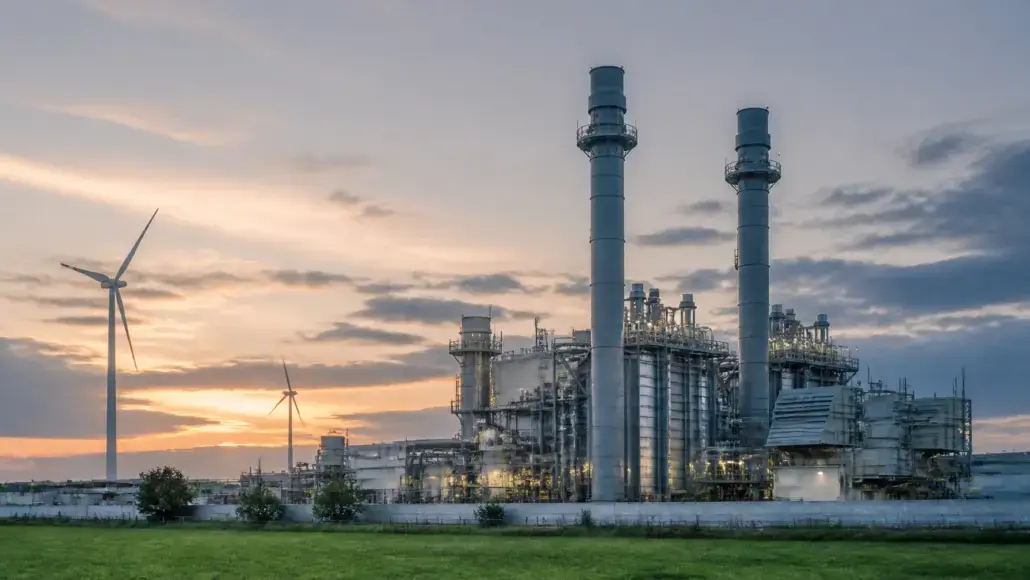

Germany has finalized approximately €12 billion (US$13.4 billion) in gas power plant contracts as part of a strategic initiative to secure the nation’s electricity supply. Following the initial round of a comprehensive procurement program, major energy firms have been selected to develop 5.16GW of new dispatchable capacity. This move is designed to stabilize the grid as the country continues its transition away from coal-fired power generation while simultaneously expanding its renewable energy infrastructure.
Key Players and Infrastructure Development
The competitive tender process saw significant participation from industry leaders. LEAG, under the EP Group, emerged as a primary beneficiary, securing contracts for approximately 3GW of capacity. Meanwhile, RWE was awarded contracts covering 2.12GW. These firms will lead the construction and conversion of facilities intended to bridge the gap during periods when solar and wind energy output is insufficient to meet national demand.
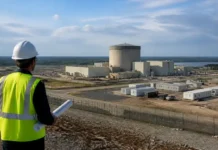
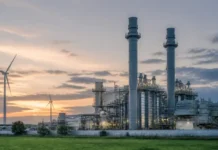
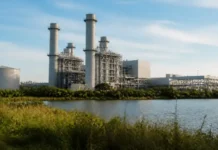
LEAG plans to develop seven new blocks across Brandenburg, Saxony, and Bavaria. By utilizing existing sites at Janschwalde, Boxberg, and Leipheim, the company aims to optimize grid connectivity and manage construction costs effectively. These new facilities are specifically engineered to be hydrogen-ready, ensuring future flexibility. RWE is set to develop three hydrogen-compatible stations in North Rhine-Westphalia. These gas power plant contracts will utilize combined-cycle technology to ensure efficiency, with the company anticipating that the new facilities will be fully operational by 2031.
Transitioning the German Energy Landscape
The integration of these new installations is central to Germany’s broader energy policy. As the country retires its remaining coal-fired assets, the requirement for reliable, flexible backup generation becomes critical. The successful projects will receive capacity payments over a 15-year term, ensuring the necessary dispatchable power remains available.
This initiative is just the beginning of a larger procurement framework. With a total target of 11GW to 12GW of new capacity, further tender rounds are scheduled for late 2026 and 2027. By balancing the intermittent nature of renewable energy with these advanced generation assets, Germany aims to maintain a stable electricity supply. This long-term strategy underscores the ongoing commitment to upgrading national infrastructure to meet modern industrial and consumer needs.