







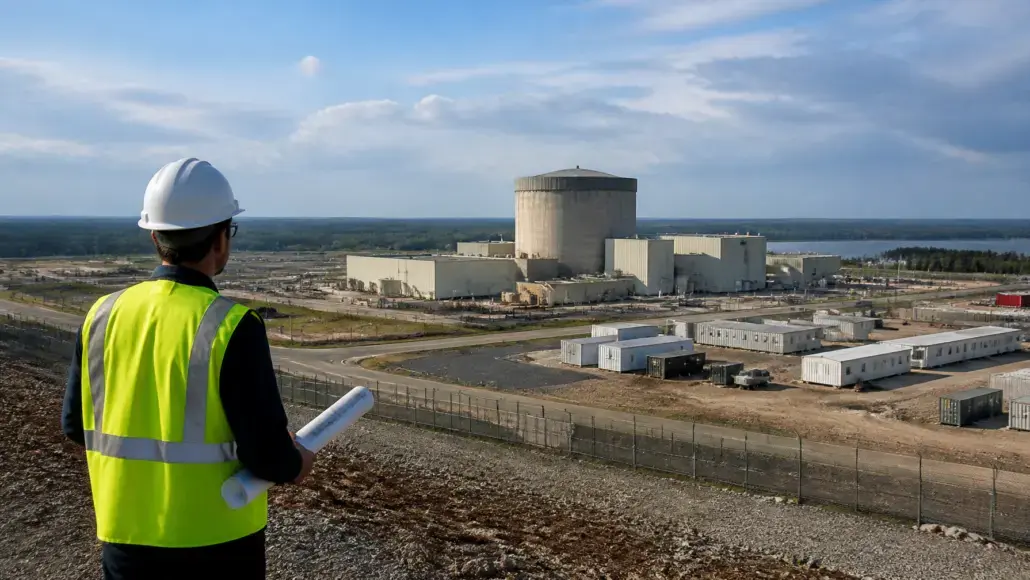

The development of the X-Energy Xe-100, a fourth-generation nuclear reactor based on gas-cooled small modular reactor technology, has reached a milestone as the project completes its safety review with the US Nuclear Regulatory Commission (NRC). This progression brings the technology closer to receiving a construction permit for deployment at the Long Mott Generating Station in Texas.
Technological Overview of the Xe-100 Design
The X-Energy Xe-100 is a gas-cooled small modular reactor that utilizes high-temperature gas-cooling technology. The system is designed to provide 80 MWe of electricity or 200 MWt of industrial heat per unit. By employing Tristructural Isotropic (TRISO) fuel, which consists of uranium kernels encased in graphite spheres, the nuclear reactor is capable of online refueling. The design relies on high-assay low-enriched uranium to support its operational requirements.
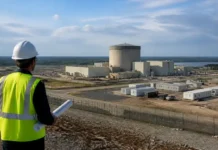
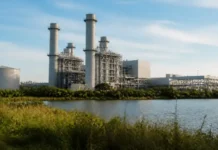
Implementation at Long Mott Generating Station
Plans for the facility involve a four-reactor assembly capable of producing a total of 320 MWe of electricity or 800 MWt of heat. This installation is intended to provide carbon-free energy to the operations of the Dow Chemical Company. The deployment aims to demonstrate the viability of smaller, factory-built units that can be configured to meet specific industrial needs.
Regulatory Milestones and Licensing Framework
The path toward obtaining a construction permit has involved extensive engagement with federal regulators since 2018. The project is the first application of its kind to utilize a modernized, technology-inclusive licensing framework established by the NRC. Following a comprehensive safety review that evaluated design criteria, risk assessments, and environmental impact, the commission has issued its Final Safety Evaluation Report.
One notable aspect of this reactor design is its reduced emergency planning zone, which is calculated at 1,300 feet. This represents a significant change from the 10-mile requirements associated with traditional, larger-scale nuclear facilities. This design feature is intended to allow for closer proximity to industrial sites, thereby optimizing carbon-free energy distribution and reducing transmission costs.
The Advisory Committee on Reactor Safeguards is now tasked with an independent assessment, which is the final step before the formal issuance of the permit to begin site construction.