


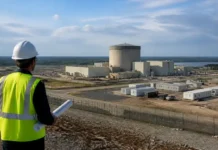
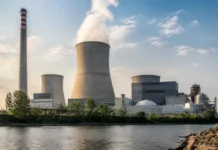
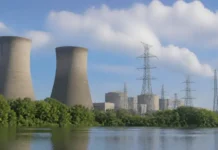
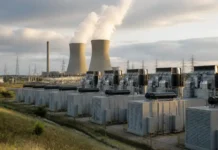

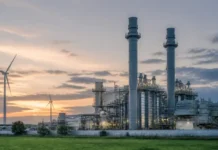
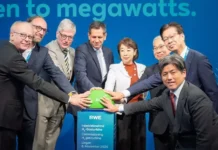

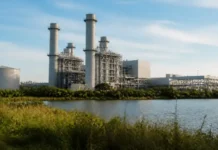
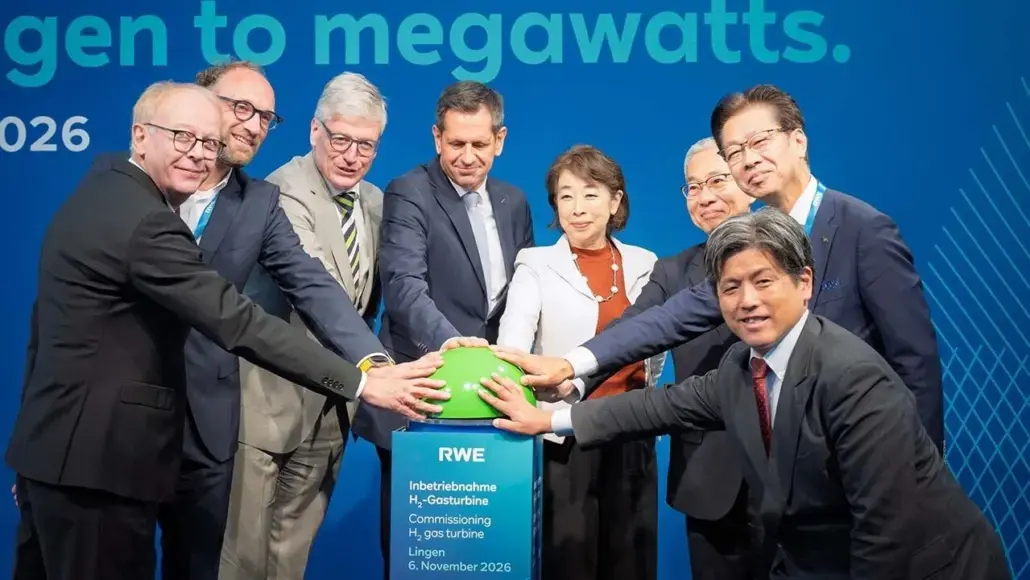

RWE and Kawasaki Heavy Industries (KHI) have commissioned a 34-megawatt hydrogen-compatible gas turbine at the Emsland gas-fired power station in Lingen, Germany. The commissioning ceremony marks the start of a field trial in which the partners will test electricity generation using hydrogen on an industrial scale. The turbine is the largest of its kind in Europe.
The project will assess technology that could support electricity supply as the share of renewable energy in power generation increases. Wind and solar output can vary, creating a need for reliable and flexible generation capacity when these sources cannot produce sufficient electricity. Hydrogen-compatible gas-fired power stations are being developed to provide backup during extended periods of low renewable generation.
The turbine can operate using natural gas, hydrogen or a mixture of both. Over the coming months, RWE and Kawasaki will test different operating modes and load conditions, including electricity generation with up to 100% hydrogen. The results are expected to provide operational experience for the further development of flexible power stations in electricity systems increasingly supplied by wind and solar energy.
The commissioning ceremony was attended by Olaf Lies, Minister President of Lower Saxony, Mitsuko Shino, the Japanese Ambassador to Germany, and representatives from Kawasaki Heavy Industries, the Japanese funding organisation NEDO and RWE. Around 130 guests from politics, business and the media also attended.
Industrial-Scale Hydrogen Power Generation Trial
The Lingen project is scaling hydrogen-compatible gas turbine technology to the 34-megawatt output class. The combustion systems are designed to support safe and stable operation with varying proportions of natural gas and hydrogen, including operation using pure hydrogen. The technology has previously been tested in smaller plants.
Nikolaus Valerius, CEO of RWE Generation, said: “What we have achieved in Lingen in partnership with Kawasaki is unique in Europe. The new turbine will generate up to ten times as much power as previous hydrogen turbines. The operational experience gained will be key for the deployment of even larger turbines. This is an important milestone on the way towards ensuring that this technology can reliably supply hundreds of thousands of households with electricity in the future.”
Motohiko Nishimura, President of the Energy Solution & Marine Engineering Company at Kawasaki Heavy Industries, said the ceremony represented an important step towards a hydrogen-based society. He also highlighted the cooperation between RWE, Kawasaki and NOW, alongside support from NEDO, in bringing together the technologies, frameworks and partnerships required for the project.
Nishimura said the turbine can operate with any blend of hydrogen and natural gas, ranging from 0% to 100% hydrogen. This allows the co-firing ratio to be adjusted according to hydrogen availability and cost, balancing economic efficiency with environmental performance.
Hydrogen Production and Electricity Generation at One Site
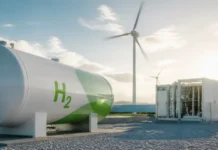
The hydrogen used during the trial is produced by the GET H2 Nukleus electrolysers located next to the power station. These electrolysers use electricity from renewable energy sources to split water into hydrogen and oxygen. The hydrogen produced is then supplied to the gas turbine as fuel for electricity generation during the trial.
The project will allow RWE and Kawasaki to evaluate the hydrogen-compatible gas turbine under different operating conditions over several months. The partners will conduct intensive testing to gain experience that can support further refinement of the technology.
Olaf Lies, Minister President of Lower Saxony, said: “Anyone who wants to reconcile climate neutrality with security of supply needs the courage to implement new technologies. That is exactly what is happening here in Lingen. Commissioning Europe’s largest gas turbine, which is fully hydrogen-compatible, demonstrates how innovation is being turned into concrete solutions for tomorrow’s energy supply.”
Lies also highlighted the cooperation between Lower Saxony and Japan, describing the project as an example of collaboration supporting new technologies, regional value creation and prospects for a climate-neutral industry.
The field trial will assess the turbine’s performance with different hydrogen and natural gas blends and under varying load conditions. The operational findings are intended to support the development of larger hydrogen-compatible turbines and flexible power generation capacity.