









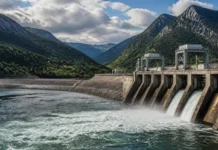














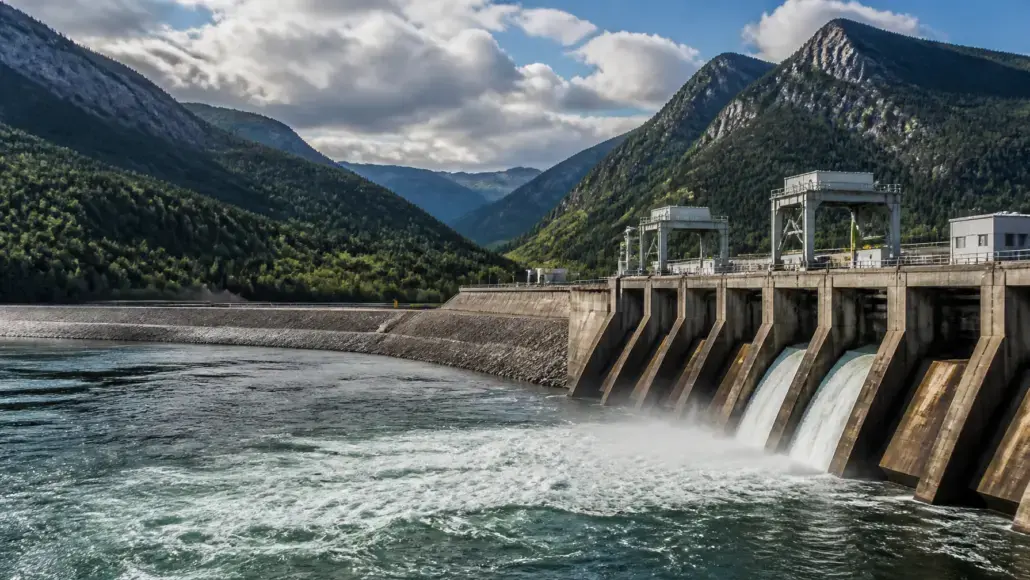

The operational success of a hydropower facility is inextricably linked to the predictability of the natural water resources upon which it depends. In an era of increasing hydrological volatility, the ability to perform accurate water flow forecasting has become a cornerstone of effective generation planning. Operators must balance the immediate demands of the power grid with the long-term necessity of reservoir conservation. This technical challenge requires a sophisticated understanding of weather patterns, snowmelt dynamics, and basin-wide runoff characteristics. By implementing high-resolution forecasting models, hydropower producers can optimize their generation schedules to align with both peak demand periods and the natural availability of water.
Accurate water flow forecasting enables plant managers to move beyond reactive operations and toward a proactive strategy. Traditionally, hydropower generation was managed based on historical averages and immediate observations of river levels. However, these methods are increasingly inadequate given the rapid changes in climate patterns. Modern forecasting systems utilize satellite data, ground-based meteorological stations, and complex hydrological algorithms to project water availability days or even weeks in advance. This foresight allows for the precise adjustment of reservoir levels, ensuring that there is sufficient capacity to capture heavy inflows while maintaining enough head height to maximize turbine efficiency during drier periods.
The integration of water flow forecasting into the broader energy market strategy is essential for maximizing the economic value of hydroelectric assets. Power prices fluctuate significantly throughout the day based on demand and the availability of other renewable sources. Hydropower, with its inherent storage capability, is uniquely positioned to capitalize on these price signals. By knowing exactly when a surge in water flow is expected, operators can plan their generation to coincide with high-price windows, thereby increasing revenue without increasing physical water consumption. This level of precision in planning is only possible through the continuous refinement of hydrological forecasting tools and the integration of these data streams into the plant’s central management system.
Hydrological Modeling and Data Acquisition Techniques
The foundation of any effective water flow forecasting system is a robust data acquisition network that covers the entire drainage basin. This involves the deployment of a wide array of sensors, including river gauges, precipitation monitors, and snow-pillow stations. These devices provide the ground-truth data necessary to calibrate and validate the mathematical models used for prediction. In many remote hydropower regions, satellite-based remote sensing is also employed to monitor large-scale variables such as soil moisture and vegetation cover, which significantly influence runoff patterns. The combination of local and remote data sources creates a comprehensive picture of the basin’s hydrological state.
Sophisticated mathematical models are then used to process this data and generate a water flow forecasting output. These models range from simple statistical correlations to complex physical-process simulators that account for evaporation, transpiration, and groundwater infiltration. The choice of model often depends on the specific characteristics of the watershed and the required lead time of the forecast. For short-term operational decisions, such as hourly turbine dispatch, models that focus on immediate rainfall-runoff relationships are preferred. For seasonal planning, models that incorporate long-range climate projections and snowpack accumulation are more appropriate. The accuracy of these models is continuously improved through the use of historical data and machine learning techniques.
Furthermore, the uncertainty inherent in hydrological prediction must be managed through the use of ensemble forecasting. Instead of relying on a single deterministic projection, operators use multiple model runs with slightly different initial conditions to create a range of possible outcomes. This probabilistic approach to water flow forecasting allows plant managers to assess the risk of different operational scenarios. For instance, if a significant majority of ensemble members predict a major inflow event, the operator may decide to preemptively lower reservoir levels to prevent spillway overflow. This risk-based decision-making process is critical for maintaining dam safety and maximizing resource utilization in a volatile environment.
Integration with Generation Planning and Grid Management
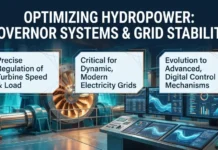
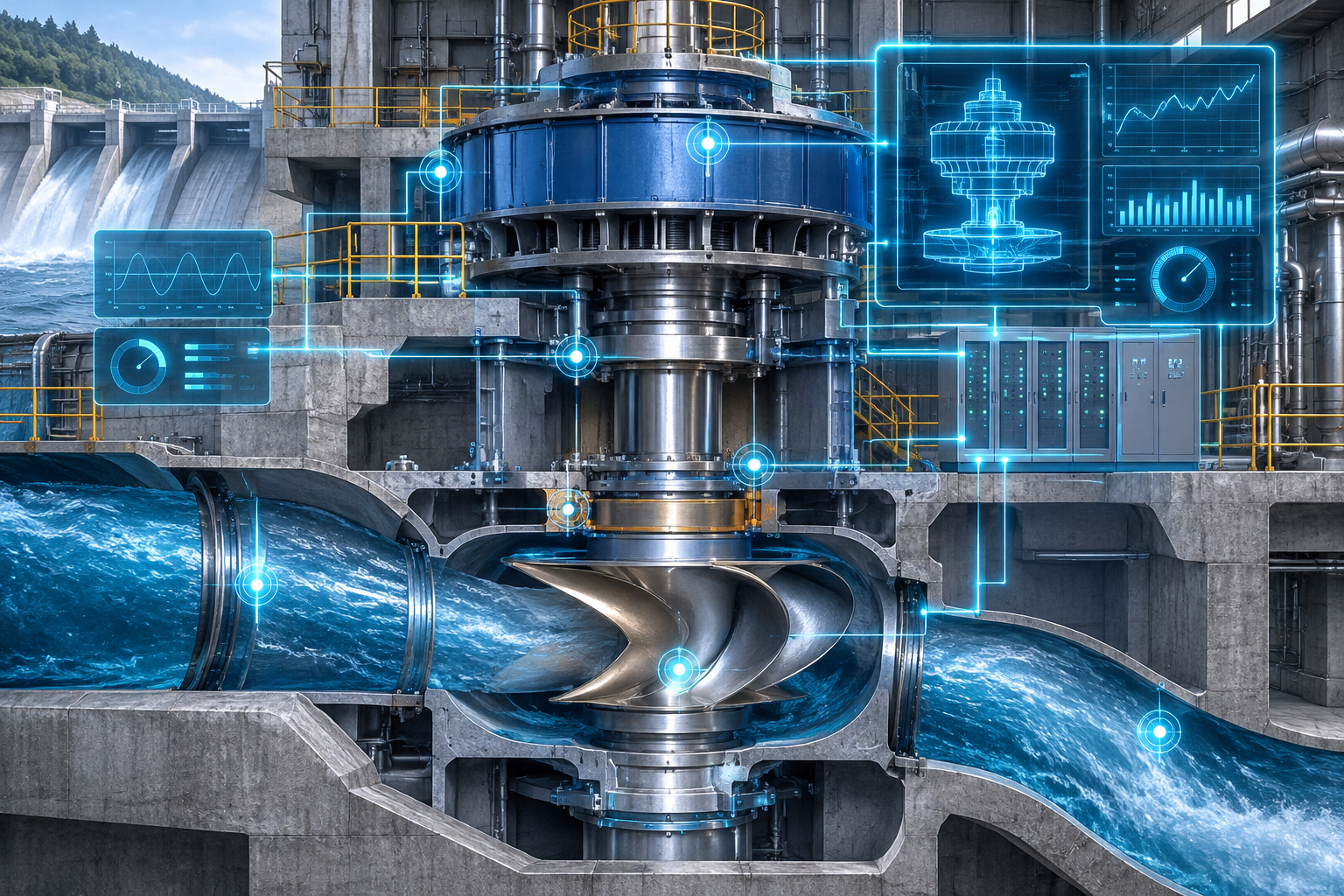
The transition from a raw hydrological forecast to a functional generation plan requires a deep integration between different technical systems. Water flow forecasting data must be seamlessly fed into the plant’s production software, where it is combined with information on turbine availability, maintenance schedules, and grid pricing. This integrated approach ensures that every drop of water is used as efficiently as possible. Automated Turbine Control Systems Improving Hydropower Generation Precision represent the mechanical counterpart to this digital planning, ensuring that the theoretical generation plan is executed with high physical accuracy. By linking the forecast with the control system, the plant can automatically ramp production up or down as water levels change.
Effective reservoir management is perhaps the most direct application of water flow forecasting in the context of power generation. Reservoirs act as a massive energy battery, but their capacity is limited. If a forecast indicates a prolonged period of low flow, the operator must conserve water to ensure that critical energy needs can be met later. Conversely, if a major storm is approaching, the reservoir must be drawn down to create space for the incoming water. This balancing act is essential for both power production and flood control. The ability to accurately predict these events allows for a more gradual and controlled management of reservoir levels, reducing the stress on structural components and the downstream environment.
- Resource Optimization: Maximizing the energy yield from available hydrological inflows.
- Grid Stability: Providing predictable and reliable power to support grid frequency and voltage.
- Environmental Protection: Managing water releases to minimize downstream ecological impact.
- Economic Value: Aligning generation with market price signals to maximize financial returns.
Additionally, the role of water flow forecasting extends beyond the individual plant and into the realm of regional grid management. As more variable renewable energy sources like wind and solar are added to the grid, the importance of flexible hydropower increases. Grid operators rely on hydropower plants to provide the rapid adjustments needed to keep the system stable. Accurate forecasting allows these plants to commit to providing specific amounts of flexibility in advance, which is critical for long-term grid reliability. The ability to guarantee power availability based on a reliable hydrological forecast makes hydropower a more valuable asset in the broader energy ecosystem.
Environmental Stewardship and Compliance
Hydropower operations are subject to strict environmental regulations, particularly concerning minimum flow requirements and the protection of aquatic habitats. Water flow forecasting is a vital tool for ensuring compliance with these mandates. By predicting natural river flows, operators can adjust their generation to ensure that enough water is released to maintain the health of the downstream ecosystem. This is especially important during dry periods when the temptation to hold back water for power generation is high. Precise forecasting allows for the careful management of these competing interests, ensuring that both energy and environmental goals are met.
The management of sediment is another environmental challenge where forecasting plays a critical role. Large storms often bring significant sediment loads into reservoirs, which can reduce storage capacity and damage turbine blades over time. By using water flow forecasting to predict these high-sediment events, operators can implement management strategies such as reservoir flushing or the temporary closure of intake gates. These proactive measures help to preserve the long-term viability of the facility and reduce the need for costly dredging operations. The integration of sediment modeling with hydrological forecasting represents a sophisticated approach to sustainable dam management.
Furthermore, the data generated by water flow forecasting systems is increasingly used for broader environmental research and policy development. Watershed managers and government agencies rely on this information to understand long-term trends in water availability and to develop strategies for climate adaptation. The transparency provided by accurate and verifiable forecasting data builds trust between hydropower operators and the communities they serve. By demonstrating a commitment to responsible resource management, the industry can ensure its continued role as a key provider of clean and sustainable energy for the future.
Technological Advancements and the Future of Hydrology
The future of water flow forecasting lies in the increasing application of artificial intelligence and high-performance computing. AI algorithms are particularly well-suited for identifying non-linear patterns in hydrological data, leading to significant improvements in forecast accuracy. These systems can learn from thousands of historical events, gradually refining their ability to predict how a specific basin will react to different weather conditions. As more sensors are deployed and more data is collected, the “digital intelligence” of these forecasting tools will only continue to grow, providing operators with even greater levels of confidence in their generation planning.
The integration of real-time satellite imagery and global climate models will also expand the geographical and temporal range of water flow forecasting. Operators will be able to monitor hydrological conditions on a global scale, allowing them to anticipate large-scale climate phenomena like El Niño or La Niña well in advance. This long-range foresight is critical for strategic decision-making and for the development of resilient energy infrastructure. The ability to project water availability across entire continents will support a more integrated and stable global power system.
In conclusion, the continuous development of water flow forecasting is essential for the modernization of the hydropower industry. By providing the data-driven insights needed for precise generation planning, these tools allow for the optimization of energy production, the enhancement of grid stability, and the protection of the environment. The transition to a more predictable and proactive operational model is a key step toward a sustainable energy future. As technological innovation continues to accelerate, the accuracy and utility of hydrological forecasting will remain a central pillar of successful power generation in a changing world.