

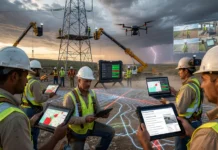

















The execution of massive energy infrastructure projects has always been a race against time, terrain, and environmental complexity. In the modern era, the integration of digital safety tools transmission projects has emerged as a decisive factor in managing these challenges while maintaining a zero-incident safety culture. This digital transformation is not merely about replacing paper forms with digital ones; it is a fundamental shift in how risk is identified, communicated, and mitigated in the field. By creating a continuous stream of information between remote project sites and centralized safety operations, organizations are achieving a level of real-time visibility that was once a theoretical ideal. The deployment of digital safety tools transmission projects is now a hallmark of professional project management in the energy sector.
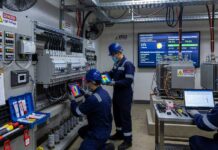
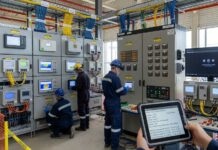
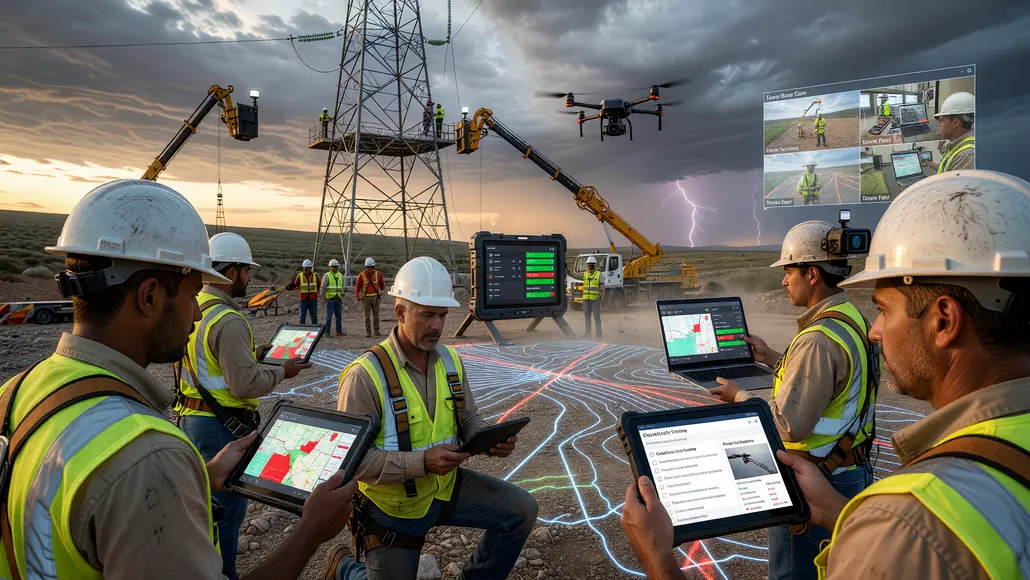
One of the most immediate impacts of this technology is the democratization of safety information. In the past, critical data about site hazards or weather patterns often remained siloed within management reports or delayed by manual communication chains. Today, digital safety tools transmission projects provide every field technician with instant access to live hazard maps, equipment inspection logs, and updated safety protocols via ruggedized tablets and smartphones. This instantaneous flow of information ensures that the entire project team is operating on the same set of facts, reducing the likelihood of miscommunication-driven accidents. This connectivity is the foundation of a modern, responsive safety environment where every worker is empowered by data.
Mobile Connectivity and Dynamic Risk Assessment
The traditional approach to site safety often relied on static risk assessments conducted at the beginning of a shift. However, in the fast-paced world of energy construction, conditions can change in an instant. Digital safety tools transmission projects now enable dynamic risk assessments that can be updated in real-time as new hazards are identified. For example, if a localized storm introduces high winds or lightning risks, the system can automatically push an evacuation alert to all workers in the affected area. This ability to respond to environmental shifts with digital speed is a critical component of transmission safety technology, ensuring that worker protection keeps pace with the volatility of the field.
Furthermore, digital checklists and reporting tools have significantly improved the accuracy and accountability of safety inspections. By requiring photo or video verification for critical tasks, such as the tensioning of a conductor or the grounding of a circuit, digital safety tools transmission projects create an immutable record of compliance. This level of detail discourages shortcuts and ensures that high-risk activities are performed strictly according to engineering specifications. The resulting data set provides a wealth of information for safety managers, who can identify recurring issues or “near-miss” trends before they escalate into serious incidents. This transition from a reactive to a proactive safety posture is the true power of worker safety innovation.
Remote Supervision and Real-Time Monitoring Systems
The geographical scale of many transmission projects often means that expert supervisors cannot be physically present at every work site. Digital safety tools transmission projects bridge this gap through real-time monitoring systems and high-definition video streaming. Using body-worn cameras or mast-mounted site cameras, off-site safety professionals can conduct virtual site walk-throughs and provide immediate guidance on complex rigging or maintenance tasks. This “over-the-shoulder” remote supervision ensures that even the most inexperienced crews have access to the highest level of expertise, regardless of their physical location. This application of digital safety tools transmission projects is especially vital in remote or difficult-to-access terrains where traditional oversight is logistically challenging.
In addition to visual monitoring, IoT-enabled sensors can track the real-time status of critical equipment, such as cranes and bucket trucks. These real-time monitoring systems can alert operators to potential overloads or mechanical failures before they become catastrophic. By integrating this equipment data with worker location tracking, digital safety tools transmission projects can also identify potential “crush zones” or areas where workers are in close proximity to heavy machinery. This spatial awareness is a sophisticated layer of protection that significantly reduces the risk of industrial accidents on large-scale infrastructure sites. The synergy between human expertise and machine intelligence is what makes modern power infrastructure safety so effective.
Drones and Aerial Inspections for Hazard Reduction
The use of Unmanned Aerial Vehicles (UAVs), commonly known as drones, has revolutionized the inspection phase of transmission projects. Before a single worker ascends a tower, digital safety tools transmission projects can deploy drones equipped with high-resolution thermal and visual cameras to identify structural defects, loose hardware, or encroaching vegetation. This eliminates the need for manual climbing inspections in potentially hazardous conditions, keeping workers on the ground until a specific task is required. This proactive hazard identification is a cornerstone of transmission safety technology, allowing for targeted maintenance that is both safer and more cost-effective.
Drones also play a crucial role in post-storm damage assessments and corridor surveys. By quickly mapping out hundreds of miles of transmission line, these digital safety tools transmission projects can identify downed lines or damaged structures without exposing crews to the risks of navigating unstable terrain in the immediate aftermath of a disaster. The data collected by these aerial platforms can be integrated into Geographic Information Systems (GIS), providing a comprehensive digital twin of the entire transmission network. This high-level visibility ensures that every maintenance mission is planned with the most accurate and up-to-date information possible, further reinforcing the safety of the workforce.
Immersive Training and Virtual Reality Simulations
The preparation of workers for high-risk environments has also been transformed by digital safety tools transmission projects. Virtual Reality (VR) and Augmented Reality (AR) simulations allow technicians to practice complex tasks, such as live-line maintenance or substation entry, in a completely safe digital environment. These immersive experiences can replicate the physical and mental stress of high-voltage work, helping workers build the muscle memory and procedural discipline required for the field. By incorporating these digital safety tools transmission projects into their training curricula, companies can significantly reduce the learning curve and ensure that every new hire is fully prepared for the realities of the job.
In conclusion, the integration of digital safety tools transmission projects is a fundamental advancement in the pursuit of a safer energy sector. These tools provide the visibility, connectivity, and intelligence needed to manage the inherent risks of power infrastructure development. From mobile risk assessments and remote supervision to aerial inspections and immersive training, the digital ecosystem of safety is constantly expanding. As the industry continues to innovate, the reliance on these digital safety tools transmission projects will only grow, ensuring that our progress in energy delivery is matched by our commitment to worker protection. The future of transmission projects is digital, and that digital future is undeniably safer for everyone involved.