










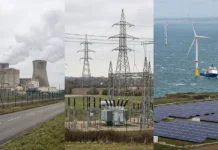









The energy transition is reshaping how power is generated, distributed, and balanced. As intermittent renewables such as wind and solar account for increasing proportions of the global energy mix, and with global renewable power capacity expected to double in the next five years, conventional generators are being asked to operate in new ways. This shift is also accelerated by the rise of microgrids, particularly those supporting remote mining operations and power-intensive modern data centers, which are redefining grid resilience.
Instead of running continuously at steady load, generators now need to start and stop more frequently, cover short-term demand spikes, or provide balancing and inertia support to stabilise grids. These demands put a significant premium on the ability to operate reliably and efficiently. Meanwhile, transmission system operators (TSOs) are tightening grid code requirements across markets, leaving little tolerance for technology solutions that cannot adapt or respond to disturbances.
Modular synchronous generators have been designed with these evolving needs in mind. Unlike one-size-fits-all machines, they allow operators to configure performance to match the specific requirements of different power sources, from peaking capacity to continuous baseload. They provide a bridge between traditional baseload generation and the flexible, responsive capabilities needed in a renewable-intensive grid. As the sector continues to balance decarbonisation goals with high energy demand, modular synchronous generators represent a practical pathway to ensuring reliable efficiency on demand across diverse power generation contexts.
Resilience under grid disturbances
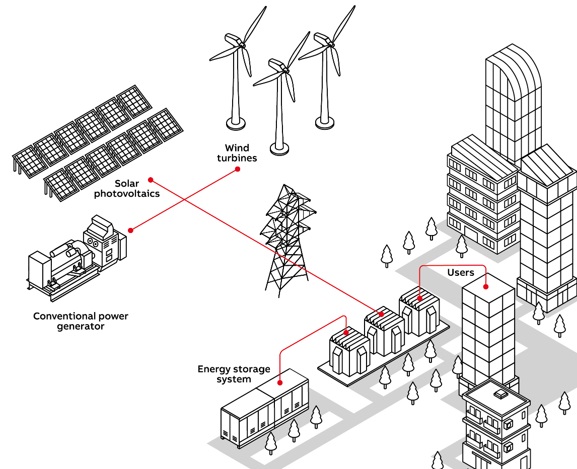 As wind and solar generation increases, synchronous generators that can provide inertia and stabilizing capabilities are becoming more essential. TSOs now regularly require generating units to remain connected during grid disturbances such as voltage dips or short faults, a demanding requirement that depends on rapid response following disturbances and sufficient inertia.
Modular synchronous generators meet this challenge through their ability to integrate one or two additional flywheels, boosting rotational mass and enhancing compliance with country-specific grid code requirements. This added inertia helps maintain synchronism during faults and ensures the generator can support grid recovery as voltage returns to nominal levels.
This is not simply a design choice – it is an operational safeguard. In a grid environment marked by more frequent disturbances and greater variability, the ability to ride through faults has become one of the most critical performance characteristics. Modular generators with optional flywheel-based inertia capabilities are positioned to play a central role in maintaining system resilience.
Efficiency engineered from the inside out
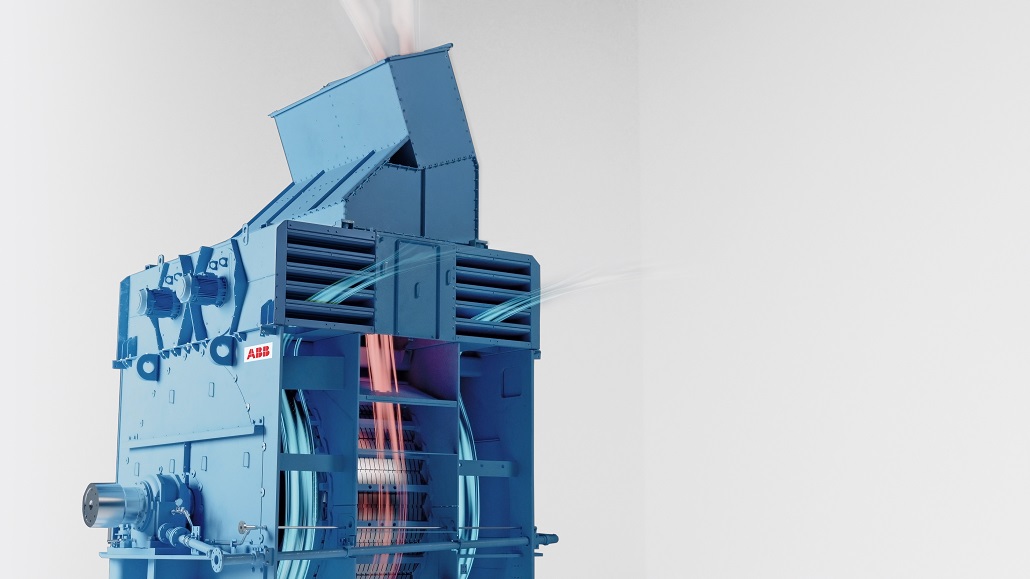
Within the energy transition, energy efficiency has become a strategic and financial priority. Modular synchronous generators’ advanced cooling technology can provide a significant improvement in this area thanks to a reduction in overall energy consumption. Modular synchronous generators deliver up to 60% more airflow compared to traditional systems as their four fan motors can be variable speed drive-controlled. This means airflow can be matched precisely to real-time operating conditions, reducing unnecessary fan energy consumption, preventing thermal inefficiencies and overheating by adapting to real-time demand, and supporting intermittent operating modes where generators may run far less than in continuous baseload service.
What’s more, built-in redundancy ensures adequate cooling even if only three motors are operating, providing reliable operation even if one fan motor goes offline. This is achieved through design choices which mean the unit draws in air from cooler areas on the sides of the generator rather than the warmer drive end. Airflow distribution has also been optimized to ensure effective cooling of stator windings, rotor windings, and other temperature-sensitive components, all providing further support when redundancy is required.The energy transition is reshaping how power is generated, distributed, and balanced. As intermittent renewables such as wind and solar
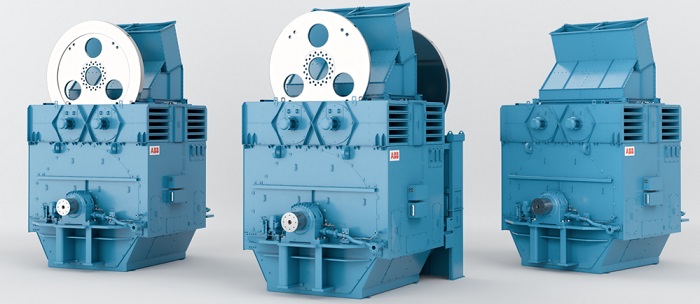 Together, these enhancements contribute to more reliable performance, longer component life, and measurable energy savings across the asset’s lifecycle. In a market where efficiency and flexibility increasingly dictate competitiveness, these design choices move beyond engineering – they directly influence return on investment and operational sustainability.
Tailored to operators’ needs
Additionally, modular synchronous generators can be tailored to specific operational requirements. The modular design supports a broad range of applications, from frequent start-stop cycles in electricity markets where operators buy and sell short-notice adjustments in generation or load, to facilities requiring uninterrupted baseload output. This flexibility is especially valuable as conventional units shift from historic baseload roles into new functions that support renewable integration.
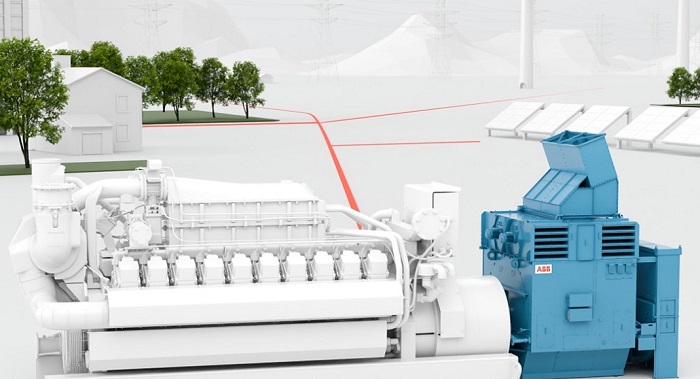 One important innovation of modular synchronous generators is their ability to operate as a synchronous condenser when they are ramped up to nominal speed by the engine and are then decoupled. Synchronous condenser capabilities provide added inertia, reactive power compensation, and short-circuit capacity, which are essential for sites connected to “weak” grids. This functionality also allows operators to extract even greater value from their asset investment, optimising both CAPEX and OPEX. As the share of inverter-based renewable generation increases, the role of synchronous condensers in stabilizing voltage and supporting system strength is becoming more significant.
Practical considerations have also been integrated into the design philosophy. Modular synchronous generators are engineered for straightforward transportation and on-site assembly. One-point lifting is possible without specialized tools, reducing installation complexity and time. Air ducts can be transported separately to minimize overall package height, and outlet ducts do not require floor support, simplifying plant layout requirements. Space is also reserved inside the generator for D-end flywheels, avoiding the footprint expansion associated with external inertia solutions. These logistical efficiencies contribute directly to reduced project timelines, lower installation risk, as well as reduce the risk of costly downtime that is particularly detrimental in remote areas.
A proven foundation enhanced for future requirements
High-voltage synchronous generators already have a longstanding record of dependable performance in diverse power generation environments. The newest modular variety builds upon that foundation with enhancements specifically aligned to the challenges of today’s renewable-driven energy systems. By integrating modular construction, upgraded cooling, optional inertia, and flexible operating modes, these generators deliver a combination of reliability and energy-efficiency, while also meeting stringent grid code requirements.
As the sector continues its transition toward cleaner energy sources while balancing conventional generation, the operational demands on generators for the power industry will only increase. As renewables expand and energy storage capabilities scale, modular synchronous generators are an essential solution for grid stability, fault resilience, and system balancing – especially in periods of low renewable output or extreme weather events. The generators of tomorrow must therefore do more than produce power – they must support the grid in ways that are adaptable, responsive, and inherently reliable.
Modular synchronous generators meet this mandate. They offer a scalable and future-ready solution for a grid in transition, providing the flexibility, compliance, and operational assurance that operators require. In an energy environment defined by uncertainty and complexity, modular synchronous generators function as a strategic asset capable of underpinning both business performance, cost-savings, and broader energy-system resilience.