





















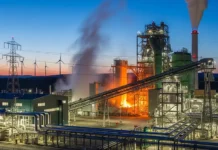

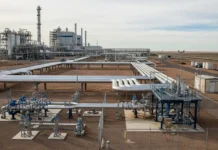
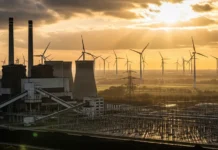
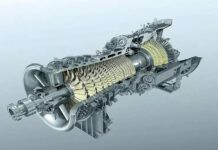


Industrial power generation exists in a world of hard constraints. A plant cannot tell a blast furnace to pause for a few hours because a renewable supply is low. A refinery cannot lose steam pressure without risking safety and product quality. A food processor cannot accept temperature drift in a sterilization step and still meet standards. For many industrial operators, the question is not whether to decarbonize it is how to do it while keeping the lights on, the boilers stable, and production reliable. That is why sustainable fuel alternatives are becoming central to industrial power generation strategies. They reduce carbon intensity while preserving the operational characteristics that heavy industry depends on: high energy density, controllable combustion, and dependable supply.
The key phrase sustainable fuel alternatives industrial power generation reflects a practical transition. Instead of waiting for a single perfect solution, many facilities are adopting a portfolio approach: efficiency first, electrification where it fits, and low carbon fuels where a combustible molecule remains the most workable option.
Why Fuel Switching Still Matters in the Energy Transition
In an ideal world, every industrial site would have abundant clean electricity, unlimited grid capacity, and processes designed for electrified heat. In the real world, many sites operate with legacy equipment and limited electrical infrastructure. Even where electrification is technically possible, the timing can be constrained by capital cycles and by grid upgrade lead times.
Sustainable fuels fill this gap. They can be used in boilers, turbines, engines, and furnaces sometimes with modest retrofits allowing emissions reductions without rebuilding the entire energy system. For plants under immediate pressure to cut emissions, fuel switching can deliver faster results than large infrastructure projects, provided the fuel is genuinely low carbon over its lifecycle.
Defining “Sustainable”: Lifecycle Carbon, Not Marketing
Not all alternative energy sources are automatically sustainable. The credibility of sustainable fuels depends on lifecycle analysis: feedstock origin, land-use change, processing energy, transport, and end-use emissions. Industrial buyers increasingly demand proof through certification schemes and traceability.
A fuel that reduces stack emissions but drives deforestation upstream is not a long-term solution. Likewise, a fuel that is low carbon on paper but unreliable in supply can undermine production continuity. Sustainable fuel alternatives succeed when they align environmental integrity with practical logistics.
Bioenergy: Mature, Powerful, and Often Misunderstood
Bioenergy remains one of the most accessible low carbon fuels for industry, especially in the form of biomass, biogas, and liquid biofuels.
Biomass and Biomass Pellets
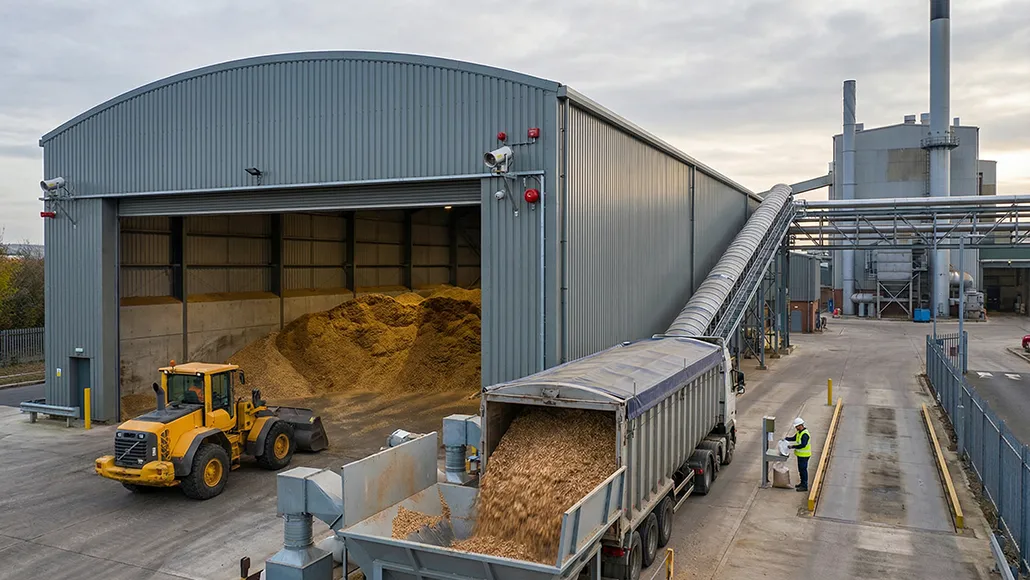
Solid biomass can substitute for coal or other solid fuels in some industrial boilers and kilns. The feasibility depends on combustion system design, ash composition, moisture content, and emissions control requirements. The sustainability hinges on feedstock sourcing residues, waste wood, or sustainably managed forestry tend to be more defensible than purpose-grown crops that compete with food or drive land conversion.
Biogas and Biomethane
Biogas from anaerobic digestion can be upgraded to biomethane and injected into gas grids or used on site. For industrial power generation, biomethane can be attractive because it is chemically similar to natural gas, enabling use in existing boilers and engines with limited changes. Where waste streams are available food waste, agricultural residues, wastewater sludge biogas can also support circular economy goals.
Liquid Biofuels
Renewable diesel (HVO), biodiesel, and bioethanol can displace fossil fuels in specific applications, especially for backup generators, mobile equipment, or sites with limited gas access. The operational benefit is familiarity: liquid fuels store well and can provide resilience. The sustainability depends on feedstock choice and certification, with waste and residue-based pathways generally preferred.
Hydrogen and Hydrogen Derivatives
Hydrogen is often discussed as a fuel of the future, but its role as a sustainable fuel alternative is already emerging in industrial settings. Hydrogen can be combusted for high-temperature heat or used in turbines and engines. However, adoption depends on production emissions, infrastructure, safety, and burner design.
For many facilities, hydrogen derivatives may be more practical in the near term. Ammonia can act as a hydrogen carrier and can be transported more easily than hydrogen gas in some contexts. Methanol can serve as a fuel and chemical feedstock, with pathways toward low-carbon production through green hydrogen and captured CO₂. These derivatives can support the clean energy transition, but they require careful handling of combustion characteristics and emissions such as NOx.
Synthetic and E-Fuels: Promise With a Power Price Tag
Synthetic fuels produced using renewable electricity often called e-fuels offer an appealing concept: use clean power to produce molecules that behave like conventional fuels. The advantage is compatibility with existing combustion assets and fuel logistics. The challenge is efficiency and cost. Converting electricity to hydrogen and then to a hydrocarbon fuel typically loses a significant portion of the original energy.
In industrial power generation, e-fuels may be best reserved for applications where electrification is extremely difficult and where liquid or gaseous fuels provide unique value, such as remote sites, backup systems with long-duration storage needs, or sectors requiring high energy density.
Waste-Derived Fuels and Circular Options
Many industrial sites are exploring fuels derived from waste streams: refuse-derived fuel, waste plastics conversion, and industrial off-gases. These pathways can reduce landfill use and displace fossil fuels, but they require careful emissions controls and transparent lifecycle accounting.
Industrial off-gases from steelmaking and refining are a notable example. Capturing and using these gases for on-site power generation can improve overall site efficiency. In some cases, combining this approach with carbon capture can further reduce emissions.
Operational Realities: Combustion, Emissions, and Equipment Wear
Fuel switching is not just a procurement exercise. Different fuels behave differently in combustion equipment, affecting flame stability, heat transfer, corrosion, fouling, and emissions profiles.
Solid biomass may introduce higher ash deposition. Biogas may have variable composition requiring control adjustments. Hydrogen blends can increase flame speed and change NOx formation. Liquid biofuels can affect storage stability and cold flow properties.
Plants that succeed treat sustainable fuel adoption as an engineering project. They test fuel quality, adjust burners, review materials, and upgrade emissions controls as needed. They also involve operators early, because day-to-day handling procedures often determine whether a new fuel is embraced or resisted.
Supply Chains and Contracts: The Underrated Constraint
A sustainable fuel is only valuable if it can be supplied reliably at scale. Many industrial decarbonization plans stumble on the “last mile” of fuel logistics: transport capacity, storage space, quality assurance, and seasonal availability.
Long-term contracts, diversified suppliers, and clear fuel specifications are essential. In some cases, industrial clusters can aggregate demand and support infrastructure investment, improving availability and reducing delivered cost.
How to Build a Practical Fuel Portfolio
The best approach for many sites is portfolio design rather than single-fuel commitment. Start by reducing demand through efficiency. Electrify low and mid-temperature loads where practical. Then identify which remaining energy uses require a combustible fuel and evaluate sustainable alternatives based on lifecycle carbon, cost, operability, and supply reliability.
A sensible early step is blending or partial substitution, such as biomethane injections, hydrogen blending where equipment allows, or renewable diesel for backup generators. Over time, as supply chains mature, deeper substitution becomes possible.
The Strategic Role of Sustainable Fuels in Industry
Sustainable fuel alternatives industrial power generation is not simply a technical topic; it is a strategy for keeping industry productive while decarbonizing. For many facilities, low carbon fuels will be the bridge that allows them to meet near-term emissions targets without risking uptime.
As markets evolve, the definition of competitiveness will shift. Buyers will ask not only about price and quality, but about carbon intensity and energy resilience. Industrial operators that invest early in credible sustainable fuels supported by strong measurement, certification, and operational readiness will be better positioned to navigate tightening regulations and rising customer expectations.
In the end, the clean energy transition in industry will not be won by ideology. It will be won by solutions that work on the plant floor: fuels that burn safely, supply chains that deliver consistently, and systems that reduce emissions without compromising the reliability that heavy industry depends on.