



























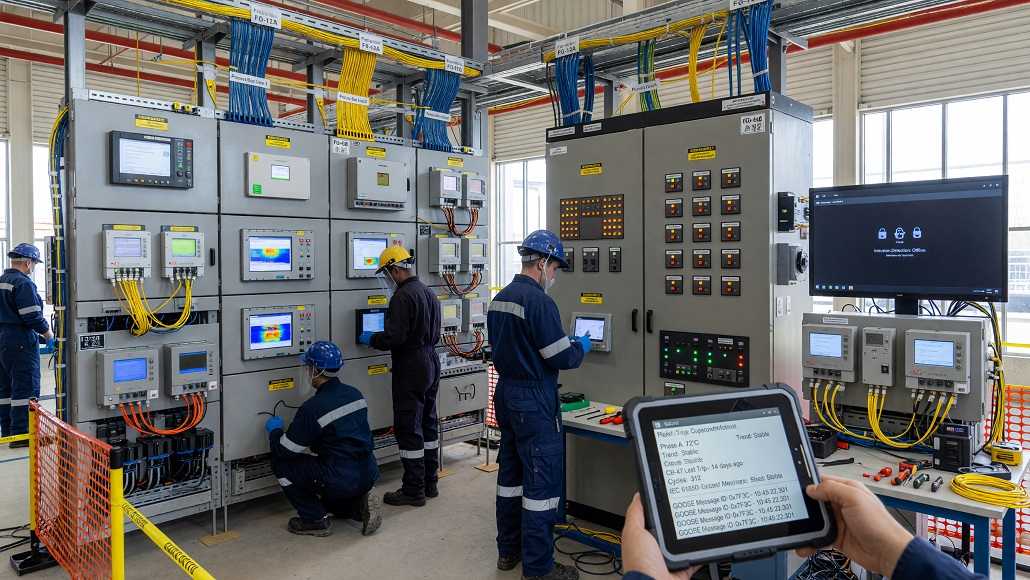

The evolution of the electrical power grid is increasingly defined by the digitalization of its most critical nodes. Traditional substations, while reliable, are characterized by a vast array of copper wiring, analog meters, and mechanical relays. In contrast, digital substations utilize fiber-optic communications and intelligent electronic devices (IEDs) to manage the flow of power. This technological leap is not just about replacing old hardware; it is about fundamentally changing how we manage and maintain our energy infrastructure. Digital substations maintenance represents a new frontier in operational efficiency, where real-time diagnostics and automated planning tools allow for a much more precise and cost-effective approach to keeping the grid running.
By digitizing the information flow within a substation, utility providers can move beyond the limitations of manual inspections. Instead of sending a technician to take a physical reading or perform a manual test, the digital substation provides a continuous stream of high-fidelity data directly to the control center. This data includes everything from the thermal profile of a transformer to the operating time of a circuit breaker. When this information is integrated into a comprehensive digital substations maintenance strategy, it allows for a level of planning and foresight that was previously impossible. Maintenance events can be scheduled exactly when they are needed, reducing the risk of unexpected failures and optimizing the use of specialized labor.
The Architecture of the Digital Substation
At the heart of a digital substation is a shift from analog signals to digital communication protocols, most notably the IEC 61850 standard. This international standard allows different devices from different manufacturers to communicate with each other seamlessly. In a digital substation, traditional copper wires are replaced by fiber-optic cables, which are immune to electromagnetic interference and can carry vastly more data. This “process bus” architecture allows for the digitization of signals right at the source, such as at the current and voltage transformers.
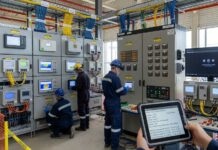
The use of intelligent electronic devices (IEDs) is another key component of this architecture. These devices act as the brains of the substation, performing protection, control, and monitoring functions in a single, compact unit. Because they are digital, IEDs can self-diagnose their own health and report any internal issues immediately. This is a critical part of digital substations maintenance, as it ensures that the protection system itself is always functional. If an IED detects an internal failure, it can alert the maintenance team before a fault occurs on the primary equipment, preventing a potentially catastrophic lack of protection.
Real-Time Diagnostics and Maintenance Planning Efficiency
The most immediate benefit of digital substations is the ability to perform real-time diagnostics. In a traditional substation, many problems are only discovered during a periodic inspection or, worse, after an equipment failure. Digital substations, however, provide a constant “window” into the health of every major component. For example, by monitoring the gas-in-oil levels and temperatures of a power transformer in real-time, a utility can detect the early signs of insulation breakdown. This information is then fed into the digital substations maintenance planning system, which can automatically trigger a work order for a detailed inspection or repair.
This shift toward condition-based maintenance planning significantly improves operational efficiency. Rather than performing a “blanket” maintenance schedule where every asset is checked every six months, the utility can focus its efforts on the assets that actually need attention. This reduces the number of unnecessary maintenance events, which not only saves money but also reduces the risk of human-induced errors. In many cases, the very act of opening a piece of equipment for inspection can introduce contaminants or cause mechanical issues. By minimizing these interventions, digital substations maintenance actually improves the long-term reliability of the equipment.
Enhancing Safety and Reducing Operational Risks
Safety is a primary concern in high-voltage environments, and digital substations offer significant improvements in this area. One of the most dangerous tasks in a traditional substation is working with live secondary circuits, where a mistake can lead to an arc flash or electrical shock. In a digital substation, these high-voltage analog signals are converted to low-voltage digital signals at the source and transmitted over fiber-optic cables. This “low-power” environment is inherently safer for maintenance personnel, as they are no longer working directly with high-energy copper wiring for their monitoring and control tasks.
Furthermore, the remote monitoring capabilities of digital substations mean that fewer physical visits to the site are required. Many diagnostic tasks that once required a technician to be physically present at the substation can now be performed from a central office. This reduces the risk of travel-related accidents and minimizes the exposure of personnel to the high-voltage environment. When a physical visit is required, the digital substations maintenance system provides the technician with a detailed “map” of the issue, ensuring they have the right tools and information to perform the task safely and quickly. This reduction in operational risk is a key driver for the adoption of digital technologies in the power industry.
Optimizing Maintenance Costs Across the Network
The economic benefits of digital substations maintenance are realized across the entire lifecycle of the asset. While the initial investment in digital technology can be higher than traditional equipment, the long-term savings in maintenance and operation more than offset the cost. The reduction in physical wiring alone can save thousands of man-hours during the construction and commissioning phases. Once the substation is operational, the savings continue through reduced inspection costs and more efficient repair cycles.
By having a clear and real-time view of the health of all assets across the network, utility providers can optimize their spare parts inventory. Instead of keeping a large and expensive stock of every possible component, they can use the diagnostic data from their digital substations to predict which parts will be needed and when. This “just-in-time” approach to maintenance logistics can free up significant amounts of capital. Additionally, the improved reliability and reduced downtime associated with digital substations maintenance can lead to better regulatory performance and higher customer satisfaction, further contributing to the utility’s financial health.
Interoperability and the Future of Energy Systems
One of the most powerful aspects of digital substations is their ability to facilitate data interoperability. Because they use standardized communication protocols like IEC 61850, the data from the substation can be easily integrated with other utility systems, such as the SCADA (Supervisory Control and Data Acquisition) and the GIS (Geographic Information System). This creates a “single source of truth” for the condition and performance of the grid’s assets. This level of integration is essential for the management of modern energy systems, which are increasingly complex due to the addition of renewable energy sources and electric vehicles.
In the future, the data from digital substations will play a critical role in the development of “digital twins.” A digital twin is a virtual model of a physical asset that is updated in real-time with data from the field. By running simulations on these digital twins, engineers can predict how their equipment will react to different load conditions or weather events. This will take digital substations maintenance to the next level, moving from predicting failures to optimizing the performance of the entire grid. This level of sophistication is the key to building a power system that is not only reliable but also truly intelligent.
Implementing Digital Solutions: Retrofitting vs. New Builds
The path to a fully digital grid involves both the construction of new digital substations and the retrofitting of existing ones. For new builds, the case for digitalization is clear, as the benefits in terms of reduced wiring and faster commissioning are immediate. However, for many utilities, the bigger challenge is how to bring their existing fleet of analog substations into the digital age. This is often done through a “phased” approach, where digital components like IEDs and fiber-optic communication are added during a planned upgrade or major maintenance event.
This retrofitting process allows utilities to gain many of the benefits of digital substations maintenance without the need for a full replacement of their primary equipment. For example, a digital monitoring system can be added to an existing power transformer, providing the same level of real-time diagnostic data as a new unit. As more of these digital “islands” are created within the grid, they can be linked together to form a more cohesive and intelligent network. The key is to have a clear long-term strategy for digitalization, ensuring that every investment is contributing to a more efficient and reliable maintenance model.
The Role of Data Security in Digitalized Maintenance
As with any digital system, cybersecurity is a paramount concern for digital substations. The very connectivity that enables efficient maintenance also creates potential entry points for cyber threats. Protecting the integrity of the communication network and the data it carries is an essential part of any digital substations maintenance strategy. This involves the use of robust encryption, strict access controls, and regular security audits.
Utility providers are also increasingly using automated tools to monitor their networks for signs of cyberattacks, just as they monitor their physical equipment for signs of failure. By integrating cybersecurity into the overall maintenance and operations framework, utilities can ensure that their digital substations are resilient against both physical and digital threats. This “security-by-design” approach is essential for maintaining the public’s trust in the reliability and safety of the power grid as it becomes increasingly digitalized.
Conclusion: Digitalization as the Standard for Efficiency
Digital substations maintenance is more than just a technological trend; it is the new standard for efficiency and reliability in the power industry. By leveraging the power of real-time diagnostics, automated planning, and standardized communications, utility providers can significantly improve their operational performance and reduce their long-term costs. The shift toward digital substations represents a fundamental move toward a more intelligent and responsive grid, capable of meeting the challenges of a rapidly changing energy landscape.
As we continue to modernize our power infrastructure, the digitalization of the substation will be the key to achieving the levels of reliability and efficiency that modern society demands. While the transition requires significant investment and a new set of skills for the workforce, the benefits are undeniable. By embracing digital substations and the advanced maintenance strategies they enable, we are building a foundation for a smarter, safer, and more sustainable energy future for everyone.