






























In a world where energy demand is rising and extreme weather events are becoming more frequent, the resilience of the electrical power grid has never been more critical. Resilience is more than just reliability; it is the ability of the system to withstand, adapt to, and rapidly recover from major disturbances. Achieving this level of robustness requires a fundamental shift in how we approach the upkeep of our power infrastructure. Grid resilience strengthened by proactive maintenance models is at the heart of this transition, moving away from a model of reactive repair and toward a strategy of foresight and preparation. By identifying and addressing potential vulnerabilities before they are tested by a major event, utility providers can significantly improve the security and stability of the entire power system.
Proactive maintenance involves a comprehensive set of practices designed to maintain the optimal condition of assets and prepare them for unforeseen challenges. In the context of the power grid, this includes everything from the physical reinforcement of substations to the use of advanced diagnostics for early fault detection. By integrating proactive maintenance grid resilience strategies into their daily operations, utilities can ensure that their infrastructure is not only functioning at its peak today but is also ready for the challenges of tomorrow. This forward-looking approach is essential for building a power grid that can sustain modern society through both everyday demands and extraordinary circumstances.
Defining the Resilience Paradigm in Power Infrastructure
While reliability is a measure of the system’s ability to function as intended under normal conditions, resilience is a measure of its ability to cope with the “extraordinary.” A reliable grid has fewer everyday outages, but a resilient grid can survive a major storm, a cyberattack, or a physical failure without catastrophic, long-term disruption. Proactive maintenance models are the key to building this resilience. They allow utility providers to “harden” their infrastructure, making it less susceptible to damage and easier to repair when damage does occur. This includes both physical improvements, like elevated substations to prevent flooding, and digital improvements, like automated switching to isolate faulted sections of the grid.
The role of proactive maintenance grid resilience strategies is to identify the most critical and vulnerable points in the network and prioritize their protection. This involves a detailed risk assessment of every asset in the system, taking into account its age, condition, location, and its role in the overall grid. For example, a substation that serves a hospital or a critical communication hub would be a high priority for proactive maintenance and hardening. By focusing their efforts on these critical nodes, utilities can achieve a much higher level of overall resilience for the same investment. This strategic approach ensures that the most vital services are protected, even during the most severe disruptions.
The Role of Substation Upgrades in Enhancing Resilience
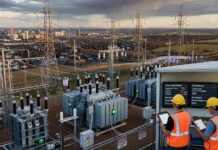
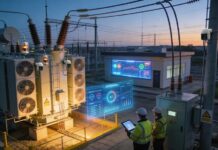
Substations are the nerve centers of the power grid, and their failure can have a cascading effect across the entire network. Therefore, substation upgrades are a key part of any proactive maintenance grid resilience strategy. These upgrades can range from simple physical reinforcements to the installation of advanced monitoring and control systems. For instance, replacing an aging and potentially unreliable transformer with a modern, high-efficiency unit not only improves reliability but also provides a more robust and resilient platform for the grid. Modern transformers are often designed with better insulation and more effective cooling systems, making them more resistant to the thermal stresses of a major event.
In addition to primary equipment, upgrades to the protection and control systems of the substation are also vital for resilience. Digital relays and automated switching systems allow the grid to respond much more quickly to a fault, isolating the damaged area and preventing the failure from spreading. This “self-healing” capability is a direct result of proactive maintenance grid resilience investments and is essential for minimizing the impact of a major disruption. By having a more intelligent and responsive substation, utility providers can ensure that their grid can “bend” without breaking, providing a more stable and secure power supply for everyone.
Adapting to the Challenges of Climate Change and Extreme Weather
One of the most significant drivers of the shift toward proactive maintenance is the increasing frequency and intensity of extreme weather events. From severe storms and floods to extreme heatwaves and wildfires, the power grid is being tested like never before. Proactive maintenance grid resilience strategies must therefore include a clear focus on climate adaptation. This includes not only hardening physical assets but also using predictive modeling to understand how the grid will be affected by future weather patterns. For example, utilities in flood-prone areas may choose to elevate their critical substation equipment or install flood barriers as a proactive measure.
Similarly, in areas prone to extreme heat, proactive maintenance might involve more frequent inspections of cooling systems and the use of thermal imaging to identify overheating components. These proactive steps are essential for ensuring that the grid can handle the increased load and thermal stress of a heatwave without a major failure. By anticipating these challenges and taking action before they occur, utility providers can significantly reduce the risk of weather-related outages and improve the long-term resilience of their systems. This proactive approach is not just a technical necessity; it is a critical part of a utility’s responsibility to the community it serves.
Long-Term Infrastructure Planning for Energy Security
Resilience is not something that can be achieved overnight; it requires a long-term commitment to infrastructure planning and investment. Proactive maintenance grid resilience strategies must therefore be integrated into the utility’s broader strategic goals. This involves a multi-year plan for asset replacement and system upgrades, as well as a dedicated budget for resilience projects. By having a clear roadmap for the future, utilities can ensure that their investments are being made in a way that provides the maximum possible benefit to the grid’s overall stability and security.
This planning also includes the integration of new technologies, such as microgrids and energy storage, which can provide an additional layer of resilience. A microgrid can operate independently of the main grid during a major disruption, providing power to critical facilities like hospitals or emergency centers. Energy storage systems, like large-scale batteries, can provide a “buffer” for the grid, helping to balance supply and demand and providing a source of backup power when it is most needed. By incorporating these technologies into their proactive maintenance grid resilience plans, utilities can build a more diverse and resilient power system that is better equipped to handle the challenges of the 21st century.
The Human Element: Training and Operational Readiness
While technology and infrastructure are essential for resilience, the human element is equally important. Proactive maintenance grid resilience strategies must include a strong focus on the training and readiness of the utility’s workforce. Technicians and operators must be trained not only on how to maintain the equipment but also on how to respond to a major event. This includes regular “drills” and simulations to practice their emergency protocols and ensure that everyone knows their role in a crisis.
Furthermore, a proactive maintenance culture is one that values data and encourages collaboration across different departments. When maintenance planners, engineers, and operators work together, they can share information and insights that lead to better and more effective resilience strategies. This collaborative approach is essential for identifying and addressing the complex and interconnected risks that face the modern power grid. By investing in their people as well as their infrastructure, utility providers can build a more resilient and responsive organization that is better prepared for whatever the future may bring.
Economic and Societal Benefits of a Resilient Grid
The benefits of a resilient grid extend far beyond the utility company’s bottom line. A more stable and secure power supply has broad economic benefits, reducing the losses associated with power outages and supporting the growth of businesses and industries. For many businesses, even a short outage can result in millions of dollars in lost production and damage to sensitive equipment. By providing a more resilient grid, utilities can help to protect the economic health of the regions they serve.
Furthermore, a resilient grid is essential for public safety and social stability. During a major storm or other disruption, the power supply is critical for everything from emergency communications to the operation of hospitals and water treatment plants. By investing in proactive maintenance grid resilience, utility providers are not only protecting their own assets but also the well-being of the entire community. This “societal” value of resilience is a powerful argument for the continued investment in proactive maintenance and infrastructure upgrades. In the end, a resilient grid is the foundation of a modern, secure, and prosperous society.
Data-Driven Proactivity: Predicting the Unpredictable
The rise of digital technologies and big data has provided utility providers with powerful new tools for building grid resilience. By analyzing vast amounts of data from sensors, weather reports, and historical records, utilities can identify patterns and trends that help them to predict and prepare for future challenges. For example, machine learning algorithms can be used to predict which sections of the grid are most likely to fail during a particular type of storm. This allows the utility to pre-position repair crews and materials, ensuring a faster and more effective response.
This data-driven approach to proactive maintenance grid resilience is also essential for managing the increasing complexity of the grid. As more renewable energy and electric vehicles are added to the network, the patterns of supply and demand are becoming more dynamic and unpredictable. Data analytics can help utilities to understand these changes and adjust their maintenance and operations accordingly. By using data to “predict the unpredictable,” utility providers can build a more intelligent and responsive grid that is better equipped to handle the challenges of a rapidly changing energy landscape.
Conclusion: A Commitment to the Future of Energy
Grid resilience strengthened by proactive maintenance models is not a luxury; it is a necessity for the future of our power infrastructure. By moving from a reactive to a proactive paradigm, utility providers can significantly improve the stability, security, and long-term performance of their systems. This transition requires a commitment to investment, a focus on technology and data, and a dedication to the training and readiness of the workforce. While the challenges are significant, the benefits for the utility, the economy, and society as a whole are undeniable.
As we continue to build and modernize our power grid, the principles of proactive maintenance and resilience must be at the forefront of our planning and operations. By embracing these models and the forward-looking mindset that accompanies them, we can ensure that our power systems are ready for the challenges of the 21st century. Ultimately, our commitment to a resilient grid is a commitment to the stability and progress of our modern world, ensuring that the power we rely on will be there for generations to come.