













Achema middle east

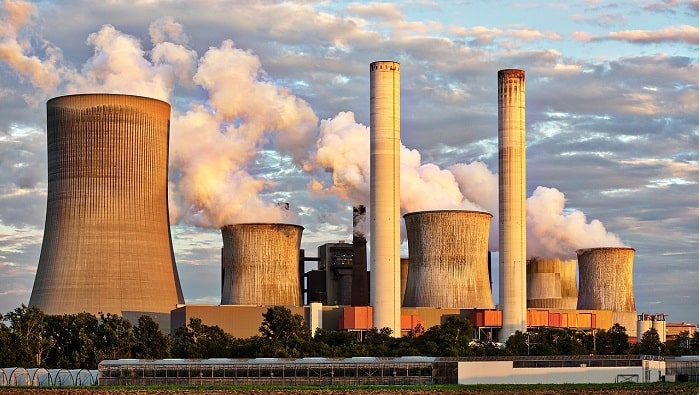
Japan turns to coal as COVID-19 delays solar projects

Note* - All images used are for editorial and illustrative purposes only and may not originate from the original news provider or associated company.

Subscribe

- Never miss a story with notifications

- Gain full access to our premium content

- Browse free from any location or device.

Media Packs

Expand Your Reach With Our Customized Solutions Empowering Your Campaigns To Maximize Your Reach & Drive Real Results!

– Access the Media Pack Now

– Book a Conference Call

Leave Message for Us to Get Back

Related stories

India Advances GAIL Solar Project Worth Rs 3,294 Crore in UP

State-owned energy major GAIL (India) is advancing plans to...

Integrated Safety Systems for Modern Power Transmission

Creating a unified shield for the energy sector, integrated safety systems power transmission projects are combining physical protection, digital monitoring, and organizational culture into a single, cohesive framework. This holistic approach ensures that every aspect of worker protection is synchronized, allowing for a more resilient and responsive safety environment that meets the demands of a modern, high-speed grid.

Compliance Driven Safety Advancing Transmission Efficiency

Aligning organizational goals with regulatory excellence, compliance safety transmission efficiency protocols are transforming the operational landscape of the power sector. By integrating rigorous safety standards into the core of project management, utility providers can reduce downtime, minimize legal risks, and foster a high-performance culture that delivers energy more reliably and safely than ever before.
- Advertisement -

In the wake of the COVID-19, electricity demand in Japan has dropped and power prices have declined. The electricity sector is further impacted by ongoing economic contraction, delays in the shipment of photovoltaic (PV) modules from China, and low nuclear availability.

These factors are leading to the use of coal and gas to support the baseload power requirement in Japan, says data and analytics company GlobalData.

Solar is the major driving force for renewable deployment in the country. Before the COVID-19 outbreak, revisions in the tariff structure and grid interconnection issues were likely to slow down deployment. Amid these tumultuous times, the country witnessed a halt in construction activity, which is expected to further delay the installation of fresh capacities.

With hiccups on the solar front, coal is expected to continue to play an integral role in the country’s power sector. Despite the low power demand, the abnormal weather conditions and low availability of nuclear facilities are expected to support the high consumption of coal for electricity generation. In the first three months of 2020, Japan imported 44.8 million tons of coal, which increased by 3.4% in comparison to 43.3 million tons imported in the first quarter of 2019.

Somik Das, Senior Power Analyst at GlobalData, comments: “Japan, in its quest to meet the target of having 24% of its energy use from renewables by 2030, made investments in the solar and offshore wind a priority. However, these efforts are expected to experience a set back due to the COVID-19 outbreak. As China forms an integral part of the solar supply chain, the onset of the pandemic has affected the shipment of photovoltaic modules and other equipment for many Japanese developers.

“As per the last amendments to Renewable Energy Act, solar projects have to meet strict deadlines to reach commercial operation, the government has released aid to help the projects bound by power purchase agreements (PPAs). In the $1.1tn stimulus package, the government has made provisions of $1bn for the development of onsite renewables which are expected to support corporate power purchase agreements under their commitment to the RE100 initiative.”

Latest stories

Related stories

India Advances GAIL Solar Project Worth Rs 3,294 Crore in UP

State-owned energy major GAIL (India) is advancing plans to...

Integrated Safety Systems for Modern Power Transmission

Creating a unified shield for the energy sector, integrated safety systems power transmission projects are combining physical protection, digital monitoring, and organizational culture into a single, cohesive framework. This holistic approach ensures that every aspect of worker protection is synchronized, allowing for a more resilient and responsive safety environment that meets the demands of a modern, high-speed grid.

Compliance Driven Safety Advancing Transmission Efficiency

Aligning organizational goals with regulatory excellence, compliance safety transmission efficiency protocols are transforming the operational landscape of the power sector. By integrating rigorous safety standards into the core of project management, utility providers can reduce downtime, minimize legal risks, and foster a high-performance culture that delivers energy more reliably and safely than ever before.

Next Gen Safety Approaches in Power Transmission Work

Navigating the frontier of industrial protection, next gen safety power transmission strategies are leveraging artificial intelligence and automation to redefine worker security. By moving beyond traditional compliance to a model of intelligent, anticipatory safety, the energy sector is creating a more resilient workforce capable of managing the complexities of a modern, digitized electrical grid with unprecedented confidence.

Subscribe

- Never miss a story with notifications

- Gain full access to our premium content

- Browse free from any location or device.

Media Packs

Expand Your Reach With Our Customized Solutions Empowering Your Campaigns To Maximize Your Reach & Drive Real Results!

– Access the Media Pack Now

– Book a Conference Call

Leave Message for Us to Get Back

Translate »