






















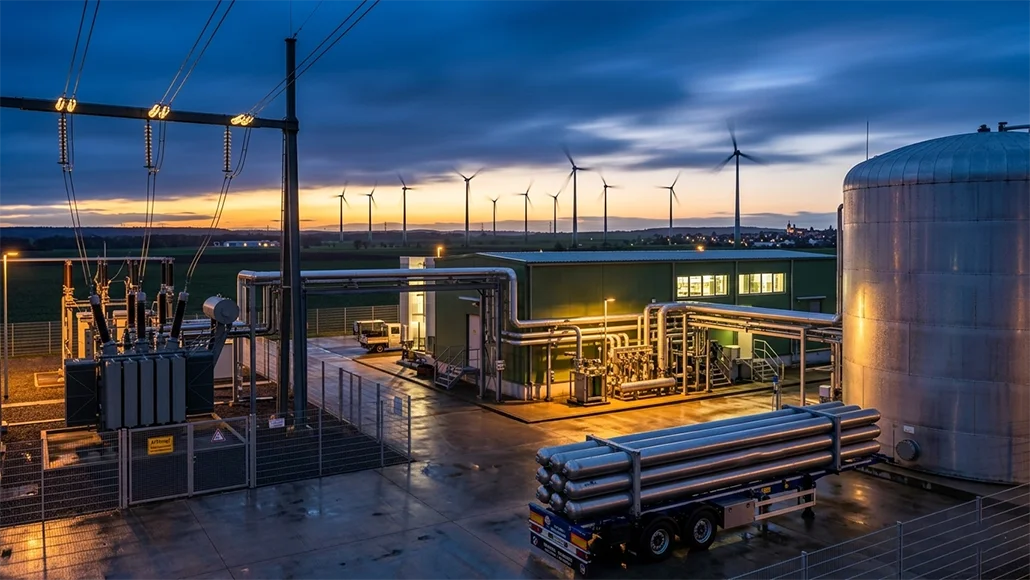

The legacy of the 20th-century industrial age is a collection of energy systems that operate in almost total isolation. Electricity, natural gas, district heating, and transportation fuels have traditionally been managed as separate silos, each with its own dedicated infrastructure, distinct market mechanisms, and independent regulatory frameworks. However, as the world strives for deep decarbonization and climate resilience, this fragmented approach is no longer tenable. We are entering an era where Planning Power Systems for a Multi-Energy Future is not just an academic exercise but a practical necessity for maintaining a stable, affordable, and sustainable energy supply. By integrating these diverse energy vectors into a single, cohesive, and intelligent framework, we can unlock efficiencies that were previously unattainable and build a truly resilient sustainable energy system.
The Paradigm Shift to Multi-Energy Systems (MES)
At the heart of this transformation is the emerging paradigm of Multi-Energy Systems (MES). An MES is an integrated energy planning framework that treats various energy carriers electricity, heat, gas, and hydrogen as a single, holistic network. Instead of optimizing the electrical grid in isolation, an MES approach considers how electricity can be converted into heat, how hydrogen can be used to store energy across seasons, and how the massive storage capacity of the gas network can be used to support the electrical grid. This level of cross-sector energy strategy is the only way to manage the inherent variability of massive solar and wind power on a global scale.
The benefits of the MES approach are numerous and profound. By utilizing the inherent storage capacity of the heating and gas networks, we can significantly reduce the need for extremely expensive chemical battery storage in the electrical grid. For example, excess wind power during a storm can be used to run industrial-scale heat pumps, charging massive thermal storage tanks that can then heat a city for several days. This concept, known as “sector coupling,” provides a level of flexibility and “buffer” that is essential for a high-renewable energy transition roadmap. Planning Power Systems for a Multi-Energy Future requires a fundamental shift in mindset from simple supply-demand balancing to a more complex, multi-dimensional optimization problem that spans physics, economics, and logistics.
The Role of Sector Coupling in Integrated Energy Planning
Sector coupling is the practical application of MES principles in the real world. It involves the physical and economic interconnection of the electricity, heating/cooling, and transport sectors to improve the overall efficiency and carbon footprint of the entire energy system. In an integrated energy planning scenario, an electric vehicle is no longer just a consumer of energy but a “battery on wheels” that can provide valuable services to the grid through Vehicle-to-Grid (V2G) technology. Similarly, “Power-to-X” technologies allow us to convert surplus green electricity into hydrogen or synthetic fuels. These fuels can then be used in heavy industry, aviation, or long-haul shipping sectors that are technically difficult or economically impossible to electrify directly.
The successful implementation of sector coupling depends on the development of sophisticated energy infrastructure integration. This involves not only the physical connection of different energy networks through high-efficiency converters, electrolyzers, and heat exchangers but also the digital integration of their control systems. A “Multi-Energy Hub” can act as a local node where these different vectors meet, optimizing the flow of energy based on real-time prices, carbon intensity, and local demand. This level of local optimization is a key component of long-term grid planning, reducing the strain on high-voltage transmission lines and deferring or eliminating the need for costly physical infrastructure upgrades.
Hydrogen as the Missing Link in Sector Coupling
In the context of Planning Power Systems for a Multi-Energy Future, hydrogen is increasingly seen as the “missing link” between sectors. Unlike electricity, hydrogen can be stored in massive quantities in salt caverns for months, providing a solution for seasonal energy imbalances where solar generation is low in winter and demand is high. Furthermore, hydrogen can be injected into the existing natural gas grid, decarbonizing heating without requiring every household to immediately replace their boiler. Integrated energy planning must account for the gradual transition of our gas infrastructure from fossil-based methane to green hydrogen, a process that requires careful coordination with the electrical grid operators who provide the energy for electrolysis.
Overcoming the Barriers to Cross-Sector Energy Strategy
Despite the clear technical and environmental advantages of integration, the transition to a multi-energy future faces significant regulatory, economic, and technical hurdles. The most prominent barrier is the lack of a unified regulatory framework. In many jurisdictions, the electricity and gas markets are governed by entirely different sets of rules and overseen by different agencies. This can create perverse incentives that actively discourage sector coupling. For example, high electricity taxes compared to low gas taxes can make Power-to-Heat projects economically unviable, even when they are technically superior and carbon-neutral. A truly effective cross-sector energy strategy must harmonize these regulations to ensure a level playing field for all carbon-neutral energy carriers.
The Engineering Complexity of Infrastructure Integration
Integrating disparate energy networks is a massive engineering challenge. The time constants of these systems are vastly different: the electrical grid must be balanced in milliseconds to prevent frequency collapse, while the thermal grid operates over hours due to thermal inertia, and the gas network can serve as storage for weeks or even months. Coordinating these systems requires advanced mathematical models, real-time data from millions of sensors, and high-performance computing to ensure that a change in one sector does not lead to an unforeseen instability in another. Planning Power Systems for a Multi-Energy Future involves the creation of “digital twins” of the entire energy ecosystem, allowing planners to simulate the impact of various scenarios such as a sudden loss of offshore wind or a record-breaking cold snap before they occur in the real world.
Long-Term Grid Planning for a Sustainable and Resilient Future
Long-term grid planning must move beyond the traditional “predict and provide” model that dominated the last century. Instead, it must embrace a more dynamic and probabilistic approach that accounts for the uncertainties of technological progress, shifting consumer behavior, and the impacts of climate change. This involves creating a flexible energy transition roadmap that can adapt to the rise of new technologies like small modular nuclear reactors (SMRs), advanced geothermal systems, or breakthrough storage chemistries. Sustainable energy systems are not static; they are evolving entities that require continuous monitoring, refinement, and investment.
A key part of this strategic planning is the geographical optimization of energy production and consumption. By placing energy-intensive industries such as green steel plants or data centers near renewable energy clusters or large-scale hydrogen storage facilities, we can minimize the massive losses associated with long-distance energy transmission. This concept of “industrial symbiosis” is a core tenet of the circular economy and a vital part of integrated energy planning. By viewing the entire energy system as a single, interconnected entity, we can identify opportunities for waste heat recovery and resource sharing that are completely invisible in a traditional, siloed approach.
Resilience and Energy Security as Core Objectives
Resilience is another critical driver for Planning Power Systems for a Multi-Energy Future. By diversifying the energy carriers used for critical functions like heating, transport, and industrial power, we can significantly reduce the risk of a single point of failure causing a widespread societal disruption. If the electrical grid is compromised by a cyber-attack or an extreme weather event, a multi-energy system can fall back on local thermal storage or gas-fired micro-CHP (Combined Heat and Power) units to provide essential services to hospitals, emergency centers, and vulnerable populations. This “redundancy by design” is a hallmark of a resilient energy infrastructure integration strategy.
Furthermore, the integration of local renewable sources into a multi-energy framework enhances national energy security by reducing reliance on imported fossil fuels. A community that generates its own electricity from solar, stores its heat in a large-scale thermal pit, and produces its own hydrogen for local heavy transport is far more insulated from the volatility of global energy price shocks and geopolitical conflicts. This democratization of energy is a powerful tool for building more stable, self-reliant, and equitable societies.
The Path Forward: A Call for Collaborative Innovation
The transition to a multi-energy future is as much a social and political challenge as it is a technical one. It requires unprecedented levels of cooperation between utility companies, technology providers, city planners, academic researchers, and citizens. We must break down the traditional walls between different engineering disciplines and create a new generation of “energy system architects” who can navigate the complexities of multi-energy systems.
Planning Power Systems for a Multi-Energy Future is the defining challenge for the next three decades of human development. It is a journey toward a more efficient, more resilient, and more sustainable world. By embracing the power of integration, the wisdom of cross-sector collaboration, and the potential of digital transformation, we can build an energy system that truly serves the needs of both people and the planet. The roadmap is clear; now we must have the courage, the political will, and the technical persistence to follow it.