


























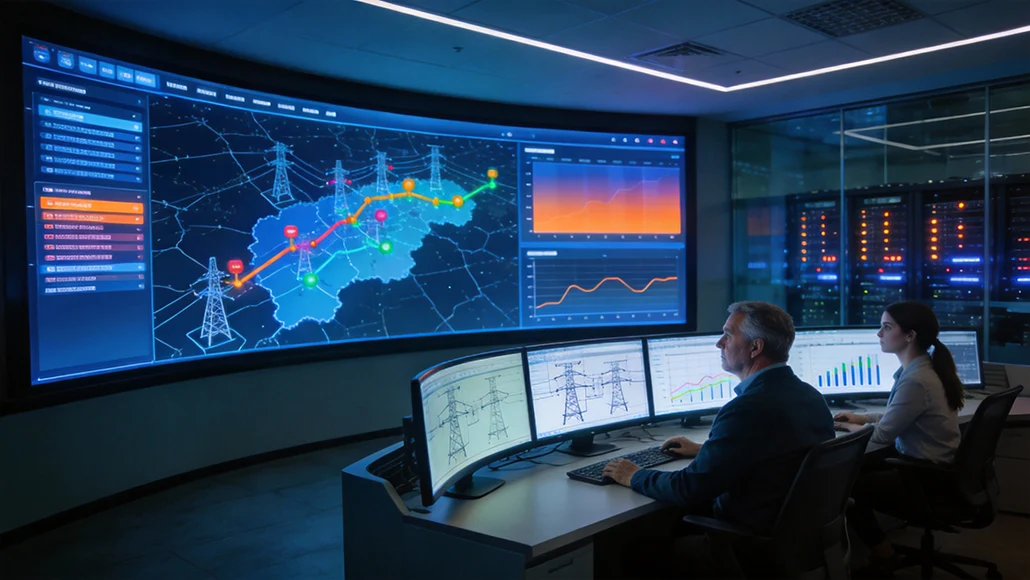

Evolution from Simple Metering to Intelligent Connectivity
For decades, the relationship between utilities and customers was a one-way street. Electricity flowed from large power plants to homes and businesses, and once a month, a meter reader would manually record the consumption. This model was functional but inherently blind to the real-time health of the system. The first step toward change was Automated Meter Reading (AMR), which allowed for remote collection of data but lacked the ability to send information back to the meter. Today, we have moved far beyond those limitations. The current generation of advanced metering infrastructure smart grid technology provides a continuous, high-speed, two-way communication link. This connectivity allows for a level of precision that was previously impossible, enabling utilities to see precisely when and where energy is being used.
This transparency is the primary driver of smart grid growth. As we move away from fossil fuels, the grid must accommodate highly variable sources like wind and solar. These energy sources do not produce power on demand; they produce it when the weather permits. Managing this variability requires a grid that can react in seconds rather than hours. The data provided by modern meters allows for the implementation of automated demand response programs, where the grid can signal smart appliances to reduce power consumption during peak periods, thereby preventing outages and reducing the need for expensive and polluting “peaker” plants.
Facilitating the Integration of Decentralized Resources
One of the most complex challenges facing utility operators today is the rise of Distributed Energy Resources (DERs). When thousands of homeowners install solar panels and home battery systems, the grid becomes a patchwork of mini-generators. This decentralized model is excellent for sustainability but can be chaotic for grid management if the infrastructure is not prepared. Advanced metering infrastructure smart grid solutions provide the necessary oversight to integrate these resources safely. By monitoring the flow of electricity in both directions, utilities can manage “back-feed” issues and ensure that local transformers are not overloaded when everyone’s solar panels are producing at maximum capacity.
Furthermore, the electrification of transportation is adding a massive new load to the system. Electric vehicle (EV) charging can double the peak demand of a typical household. Without the granular data provided by an advanced metering infrastructure smart grid, utilities would be forced to overbuild the physical grid at a massive cost to the taxpayer. Instead, they can use data-driven insights to encourage off-peak charging through time-of-use rates, ensuring that the existing hardware can handle the new demand without the need for constant, expensive upgrades.
Operational Efficiency and the Path to Utility Digitalization
The shift toward a smart grid is as much about economics as it is about engineering. Utilities operate on thin margins and are under constant pressure from regulators to keep costs low. Digitalization offers a path to significant operational savings. In a traditional setup, identifying a power outage often depended on customers calling in to report that their lights were out. With a modern advanced metering infrastructure smart grid, the meter sends a “last gasp” message the moment power is lost. This allows the utility to pinpoint the location of a fault immediately, often before the customer even realizes there is a problem.
Data as the New Energy Currency
In the modern utility model, data has become just as valuable as the electricity itself. The vast amounts of information generated by smart meters allow for sophisticated analytics that can predict equipment failure before it happens. For instance, if a meter detects a subtle fluctuation in voltage that follows a specific pattern, it may indicate that a nearby transformer is nearing the end of its life. Replacing that transformer during a scheduled maintenance window is far cheaper and safer than dealing with an explosive failure in the middle of a storm.
This predictive capability extends to the customer side as well. By sharing data back with the consumer through web portals and mobile apps, utilities help people understand their own energy habits. When people can see that their old refrigerator is consuming 30% of their monthly bill, they are more likely to upgrade to an efficient model. This voluntary reduction in demand is one of the most cost-effective ways to manage grid growth.
The Socio-Economic Impact of Smart Infrastructure
The benefits of these technological advancements ripple through society. A more efficient grid means lower energy prices in the long run and a more resilient economy. In many developing regions, the leapfrogging to advanced metering infrastructure smart grid technology is allowing communities to bypass the unreliable infrastructure of the past. By integrating microgrids and local renewable sources, these regions can achieve energy independence and reliability that was previously out of reach.
Security and Privacy in the Age of Information
As with any digital transformation, the rise of smart grids brings new challenges, particularly regarding cybersecurity. When every meter is a connected device, the surface area for a potential cyberattack increases. However, the industry has responded with robust encryption and sophisticated network monitoring. The same technology that allows for better energy management also provides the tools to detect and isolate malicious activity. Ensuring the privacy of consumer data is equally paramount. Modern systems are designed to anonymize data at the source, ensuring that while the utility gets the information it needs to manage the grid, the private habits of the individuals remain protected.
In conclusion, the trajectory of energy management is clear. The transition to a more sustainable, reliable, and efficient world is inextricably linked to our ability to digitize the power network. Through the continued expansion of advanced metering infrastructure smart grid systems, we are building a foundation that can support the technological demands of the 21st century and beyond. This is not merely an upgrade to the way we measure electricity; it is the birth of a more intelligent way of living.