






























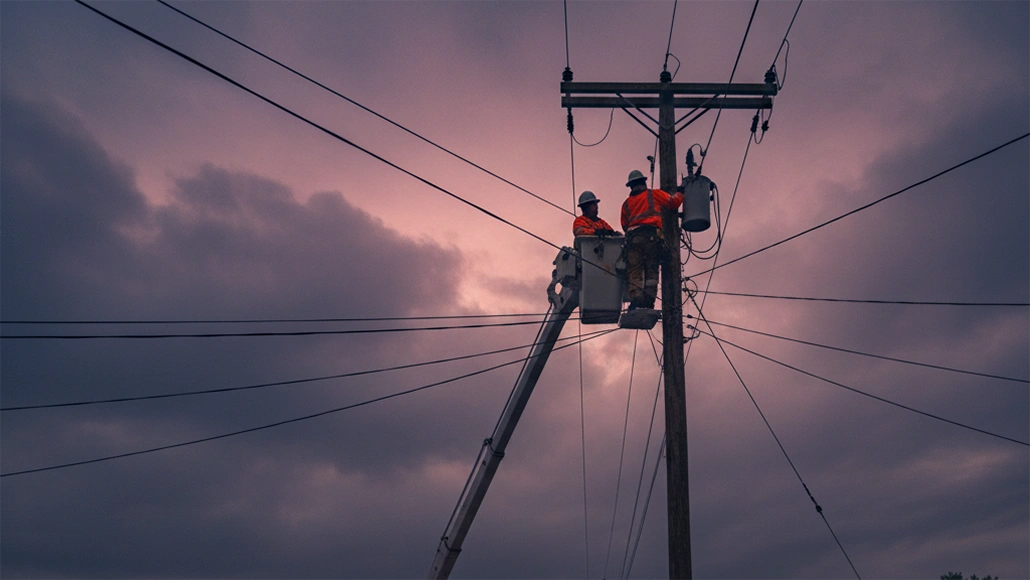

In an era where digital connectivity underpins almost every aspect of human life, the reliability of the electrical grid has moved from a matter of convenience to a cornerstone of national security and economic stability. Modern societies are no longer capable of functioning during prolonged power outages, as everything from healthcare systems to financial markets depends on a continuous supply of energy. To meet these rising expectations, utility providers are turning to sophisticated digital solutions. The most impactful of these is the deployment of advanced metering infrastructure grid reliability frameworks. These systems provide a level of visibility and control that was previously unthinkable, allowing for a grid that is not only smarter but significantly more resilient in the face of adversity.
The Shift from Reactive to Proactive Outage Management
Historically, the process of managing a power outage was remarkably manual and time-consuming. When a fuse blew or a tree limb downed a wire, the utility company was often the last to know, usually finding out only when a wave of frustrated customers began calling their service lines. Crews were then dispatched to “patrol” the lines, visually searching for the break. This reactive model is being rendered obsolete by the integration of advanced metering infrastructure grid reliability technology. Modern smart meters are equipped with “last gasp” signaling, a feature that uses a small stored charge to send a final notification to the utility’s central management system the moment power is lost.
This instantaneous notification allows for the creation of real-time outage maps with pinpoint accuracy. Instead of wandering miles of power lines, repair teams are sent directly to the source of the problem. In many cases, the utility can identify whether the problem is a localized issue, such as a single tripped breaker, or a wider systemic failure. This distinction is vital for prioritizing resources during large-scale emergencies, such as hurricanes or ice storms, where every minute saved in the restoration process can prevent significant economic loss or personal hardship.
Advanced Fault Detection and Automated Restoration
Beyond simply reporting outages, advanced metering infrastructure grid reliability systems are increasingly integrated with Distribution Automation (DA) hardware. This synergy allows for the implementation of Self-Healing Grid technologies. When a fault is detected, intelligent switches and reclosers can communicate with the metering network to isolate the damaged section of the line automatically. The system can then reroute power through alternate pathways to restore service to as many customers as possible within seconds. This process, known as Fault Location, Isolation, and Service Restoration (FLISR), can reduce the number of customers affected by a permanent fault by as much as 50% to 75%.
By narrowing the impact of a fault to the smallest possible area, the grid remains largely functional even while repairs are underway. This level of resilience is essential as we integrate more renewable energy sources, which can introduce instability if not managed correctly. The high-frequency data provided by the metering infrastructure allows for better voltage regulation and frequency control, ensuring that the power flowing into homes is clean, stable, and less likely to damage sensitive electronic equipment.
Predictive Analytics: Solving Problems Before They Occur
One of the most profound ways advanced metering infrastructure grid reliabilities is enhanced is through the use of big data analytics to predict failures. Electrical components rarely fail without warning; they usually exhibit subtle symptoms like heat buildup, harmonic distortion, or voltage sags long before they finally give out. In a traditional grid, these signs go unnoticed. However, a smart grid equipped with high-resolution AMI sensors captures these “digital signatures” of impending failure.
Health Monitoring of Grid Assets
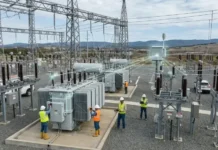
Transformers are among the most expensive and critical assets in a distribution network. They are also prone to failure if they are consistently overloaded or if their cooling systems degrade. By monitoring the load patterns and temperature indicators provided through the advanced metering infrastructure grid reliability data, utilities can create “health scores” for every transformer in their fleet. If a specific unit shows signs of stress during peak hours, maintenance can be scheduled during a planned window, preventing a catastrophic failure that could result in a fire or a prolonged local blackout.
This shift toward condition-based maintenance is a game-changer for utility economics. It allows companies to move away from rigid, time-based schedules where equipment is replaced simply because it is old toward a model where resources are directed exactly where they are needed most. This efficiency not only improves reliability but also keeps utility rates stable for the consumer by optimizing the lifecycle of expensive capital assets.
The Human Element and Consumer Empowerment
While much of the focus on reliability is technical, there is a significant human component to the success of advanced metering infrastructure grid reliability initiatives. A reliable grid is one that engages its users. Through the data provided by smart meters, utilities can offer “Demand Response” programs that encourage customers to shift their energy use away from peak times. By reducing the total stress on the system during the hottest days of summer or the coldest nights of winter, the likelihood of a grid-wide failure is drastically reduced.
Transparency and Public Trust
Reliability also involves trust. When an outage does occur, the ability of a utility to provide accurate, up-to-the-minute information to the public is crucial. The data from the AMI network feeds directly into customer-facing apps and websites, providing estimated restoration times based on actual field data rather than guesswork. This transparency reduces anxiety for residents and allows businesses to make informed decisions about whether to close for the day or wait for power to return. In the eyes of the public, a utility that communicates effectively during a crisis is seen as more reliable, even if the physical infrastructure is facing unprecedented challenges.
In conclusion, the path to a truly resilient power system lies in the successful integration of digital intelligence with physical hardware. Advanced metering infrastructure grid reliability is the key to this transformation. By enabling faster response times, predictive maintenance, and greater consumer participation, we are building a grid that is capable of weathering the storms of the future. The result is a more stable society where the flow of energy is as dependable as the air we breathe, providing the foundation for continued innovation and growth in the decades to come.