















For most of the history of the electric utility industry, the “distribution” phase the final leg of the journey that brings power from local substations to homes and businesses was the most overlooked segment of the grid. While massive transmission lines and gargantuan power plants received most of the investment and attention, the distribution network remained a largely “dumb” system of copper wires and analog transformers. This is no longer the case. The modern world demands a level of precision and efficiency that legacy distribution systems simply cannot provide. Today, the integration of advanced metering infrastructure power distribution technology is turning this final mile into an intelligent, highly optimized network that is capable of adapting to the complexities of the 21st-century energy market.
The Challenge of Modern Distribution Networks
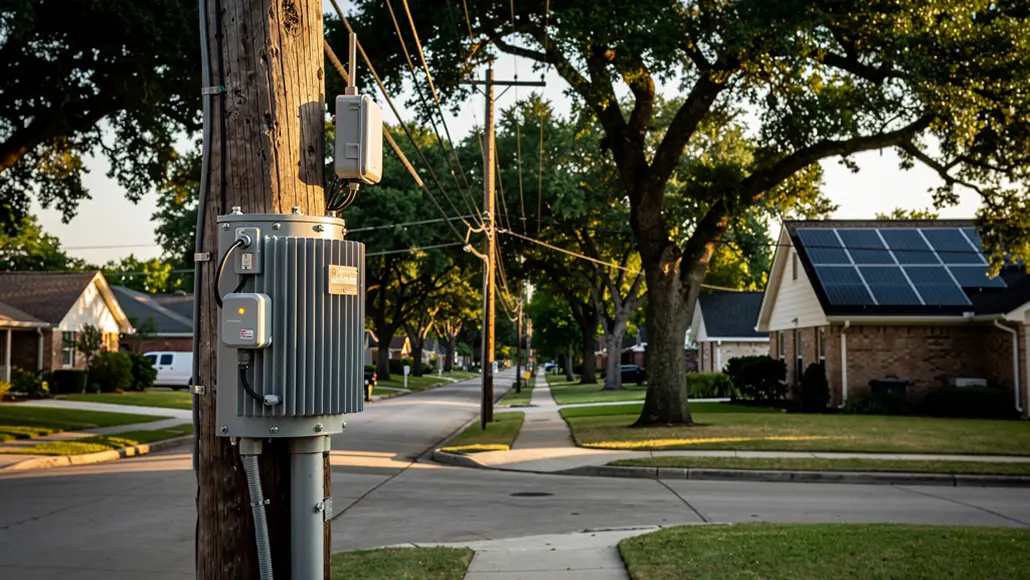
The traditional distribution model was designed for a world where energy flow was predictable and unidirectional. Power came from the substation, traveled down a feeder line, and was stepped down by a transformer before entering a building. However, the rise of rooftop solar, residential battery storage, and high-capacity electric vehicle chargers has turned this model on its head. Energy now flows in multiple directions, and demand can spike or plummet with little warning. Without the oversight provided by an advanced metering infrastructure power distribution system, this variability can lead to “brownouts,” voltage irregularities, and accelerated wear and tear on grid assets.
Visibility at the Network Edge
The primary benefit of a digital metering network is the visibility it provides at the very edge of the grid. In the past, a utility’s knowledge of its system effectively stopped at the substation. They knew how much total power was leaving the station, but they had very little idea what was happening once that power entered a neighborhood. With advanced metering infrastructure power distribution tools, every home and business becomes a sensor. This allows utilities to see the “voltage profile” of an entire circuit in real-time. If the voltage is too high at the beginning of a line and too low at the end, the system can automatically signal the substation to adjust its output or trigger local voltage regulators to intervene.
This level of granular control is essential for maintaining “Power Quality.” Sensitive electronics, from the servers that run our internet to the medical equipment in our hospitals, require a very specific and stable voltage to operate correctly. By continuously monitoring the distribution network, AMI ensures that these standards are met, reducing the risk of equipment damage and improving the overall experience for the end-user.
Optimizing Performance and Reducing Technical Losses
One of the “silent killers” of utility profitability is technical energy loss power that is produced at the plant but dissipated as heat in the wires and transformers before it can be billed to a customer. Globally, these losses can account for a significant percentage of total generation. By utilizing advanced metering infrastructure power distribution data, utilities can identify exactly where these losses are occurring.
Phase Balancing and Load Management
Most distribution lines are “three-phase” systems. For maximum efficiency, the load should be distributed equally across all three phases. However, as neighborhoods grow and new houses are added, one phase often becomes much more heavily loaded than the others. This imbalance causes heat buildup and wastes energy. Using the data from an advanced metering infrastructure power distribution network, engineers can see exactly which houses are on which phase and how much they are consuming. They can then “rebalance” the circuit by moving specific customers to a different phase, instantly improving the efficiency of the entire line.
Furthermore, AMI allows for sophisticated load management. Instead of building massive new substations to handle the highest possible peak of the year, utilities can use “Peak Shaving” techniques. By temporarily reducing the power draw of non-essential equipment during peak times with the customer’s permission and for a financial incentive the utility can avoid overloading the distribution system. This deferment of capital expenditure saves millions of dollars while keeping the grid running smoothly during the most stressful periods of operation.
The Role of Remote Monitoring in Maintenance and Safety
Safety is the highest priority for any utility operator. A downed power line or an exploding transformer is not just an operational failure; it is a public hazard. Remote monitoring via advanced metering infrastructure power distribution systems provides a critical layer of protection. For instance, if a meter detects a “high-impedance fault” a condition where a line is touching the ground but not drawing enough current to trip a standard circuit breaker it can alert the utility immediately. In a traditional system, such a wire could remain live and dangerous on the ground for hours or even days.
Efficient Asset Management
The data collected from the distribution network also informs long-term asset management strategies. Every transformer has a “thermal life,” which is determined by how hot it gets and for how long. By matching the actual consumption data from an advanced metering infrastructure power distribution system with the specifications of the local hardware, utilities can calculate the “remaining life” of their equipment with high accuracy. This prevents “run-to-failure” scenarios, allowing for the proactive replacement of aging infrastructure before it becomes a liability. This strategic approach to maintenance is a key pillar of the modern, data-driven utility, ensuring that every dollar spent on infrastructure is backed by empirical evidence.
Empowering the Energy Consumer of the Future
Ultimately, the transformation of power distribution is about more than just wires and data; it is about the person at the end of the line. As we move toward a “prosumer” model where individuals both consume and produce energy the distribution grid must become a collaborative platform. The advanced metering infrastructure power distribution network provides the communication layer necessary for this collaboration. It allows for “Net Metering,” where homeowners are accurately credited for the excess solar power they send back to the grid, and it enables the “Virtual Power Plants” of the future, where thousands of home batteries can be orchestrated to support the grid during a crisis.
In conclusion, the digitalization of the distribution network is not an optional upgrade; it is a prerequisite for the energy transition. Through the implementation of advanced metering infrastructure power distribution technologies, we are creating a more efficient, safer, and more flexible grid. This transformation ensures that as our energy needs continue to evolve, the infrastructure beneath our feet will be ready to meet the challenge, providing a reliable foundation for the electrified world of tomorrow.