





















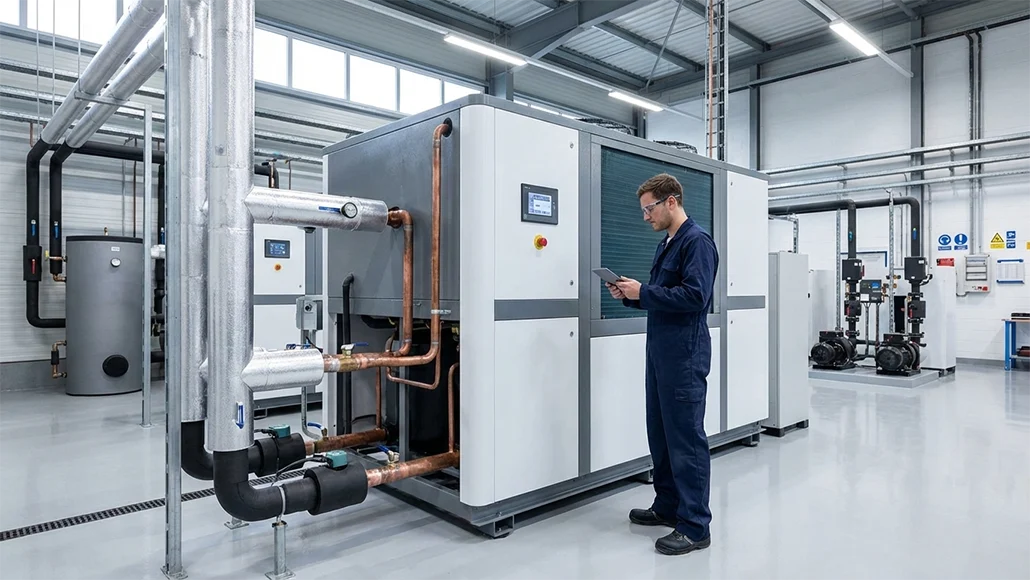

Industrial energy use is often discussed as if it were a single lever switch the fuel, lower the emissions, and move on. Plant operators know it is never that simple. Energy is embedded in the physical reality of production: heat must arrive at the right temperature profile, motors must deliver torque reliably, fluids must be pumped and compressed at the right pressure, and every change has knock-on effects on quality, safety, and uptime. Against that backdrop, process electrification is no longer a niche concept. It is becoming a mainstream route to a decarbonised industry because it tackles the two most stubborn industrial challenges at once: reducing emissions and improving controllability.
The core idea behind process electrification industrial energy use is practical. Replace direct combustion and steam-based systems, where feasible, with electric technologies that can be powered by low-carbon grids and renewables. Done well, electrification reduces onsite combustion emissions, improves process precision, and often lowers maintenance complexity. Done poorly, it can strain electrical infrastructure or create expensive bottlenecks. The difference lies in good engineering and honest assessment of where electricity truly outperforms fuel.
Why Electrification Has Accelerated So Quickly
Three forces are converging. First, renewable electricity has become more available and more competitively priced in many regions, making the “clean power” input increasingly realistic. Second, electric heating and power electronics have improved dramatically, offering higher efficiency and better control. Third, industrial customers are facing stronger pressure from regulators and buyers to show measurable emissions reductions across their value chains.
Electrifying industrial energy use also helps companies reduce exposure to fuel price volatility, especially in markets where gas prices swing widely. Electricity is not immune to volatility, but it can be hedged with long-term contracts, on-site generation, and demand response programs. The strategic appeal is clear: electrification can turn energy from a fixed constraint into a managed variable.
Electrification Starts With a Map, Not a Purchase Order
The most successful projects begin with an energy and process map. Plants need to understand where energy goes, at what temperature levels, and with what duty cycles. A common mistake is to focus only on total energy consumption. Electrification feasibility depends heavily on temperature bands and operational patterns.
Temperature Bands That Matter
Low-temperature heat (often under 100°C) is widely electrifiable via heat pumps, electric boilers, and resistance heating, frequently with excellent efficiency. Mid-temperature heat (roughly 100–400°C) can often be served by industrial heat pumps, electric boilers, and hybrid systems. High-temperature heat (above 400°C and especially above 1,000°C) is more challenging, but technologies like induction, infrared, plasma, and electric arc systems can be competitive in specific applications.
Duty Cycles and Load Profiles
A continuous process with stable demand may justify large, efficient electrified equipment and grid upgrades. A batch process with sharp peaks might benefit from hybrid systems or thermal storage, so the plant does not pay for oversized electrical capacity that sits idle for long periods.
This mapping approach is where energy efficiency technologies become a crucial companion to electrification. The cheaper the energy demand becomes through heat integration and efficiency, the easier and less expensive electrification becomes.
Electric Heating: The Workhorse of Industrial Decarbonisation
When people hear “electrification,” they often think of motors, but in many sectors the biggest opportunity is electric heating. Electric heating is not one technology; it is a family of approaches, each with strengths and limits.
Resistance heating is straightforward and reliable for many ovens, dryers, and boilers, offering near-100% conversion of electricity to heat at the point of use. Induction heating is highly efficient for metals because it heats the material directly, improving response time and reducing wasted heat. Infrared heating can be effective for surface heating and drying where penetration depth is limited. Dielectric and microwave heating can target specific materials and reduce processing times in food, chemicals, and certain composites.
For many plants, the immediate advantage is control. Electric heating can respond quickly, maintain tighter temperature profiles, and reduce variability. That can translate into improved yield and less scrap benefits that are often undervalued when electrification is framed only as a carbon initiative.
Heat Pumps and the Low-to-Mid Temperature Revolution
Industrial heat pumps deserve special attention because they convert electricity into useful heat with coefficients of performance that can far exceed 1, meaning they deliver multiple units of heat for every unit of electricity consumed. They also create a new way to think about waste heat: rather than being a nuisance, low-grade heat becomes an asset that can be upgraded.
Where heat pumps are deployed well, they reduce steam demand, lower boiler cycling, and improve site energy stability. They are especially relevant for food and beverage, pharmaceuticals, paper, textiles, and many chemical processes where large amounts of warm water or low-pressure steam are used.
Electrifying Motion: Motors, Drives, and Compressed Air
Industrial energy use is also dominated by motion pumps, fans, conveyors, compressors, and mixers. Many of these are already electric, but electrification in practice often means upgrading to higher-efficiency motors, adding variable frequency drives, and redesigning systems to avoid throttling losses.
Compressed air is a classic example. It is convenient but expensive in energy terms. A process electrification strategy may involve replacing pneumatic tools with electric alternatives, fixing leaks, optimising compressor staging, and recovering compressor heat for space or process heating. These changes are rarely glamorous, but they deliver consistent, bankable savings and make the larger electrification steps easier.
Reliability, Maintenance, and the Operational Case
One reason operators embrace electrification is that electric systems can be simpler to maintain than combustion systems. There is often less fouling, fewer combustion-related corrosion issues, and reduced complexity in fuel handling. Electric equipment also integrates well with modern control systems. Sensors, power electronics, and automated monitoring can provide clearer visibility into equipment health, enabling predictive maintenance.
That said, electrification can shift the maintenance burden from mechanical systems to electrical and control systems. Plants need the right skills on-site and the right relationships with OEMs and integrators. Reliability is not automatic; it is engineered.
The Grid and the “Invisible” Constraints
A major limiting factor for process electrification is often not the technology inside the plant, but the capacity and quality of the electricity supply. Large electrification projects can require new substations, transformers, and switchgear. They may also trigger demand charges or require power factor correction, harmonic mitigation, and protection upgrades.
This is where planning matters. Plants can reduce peak demand with thermal storage, sequencing, and flexible operations. They can also negotiate grid upgrades in coordination with local utilities and industrial clusters. In some regions, on-site renewables and batteries can reduce exposure to peak tariffs and provide resilience, though they rarely cover all industrial demand on their own.
Electrification vs. Fuel Switching: When Each Makes Sense
Electrification is not always the best option. Some high-temperature processes may be more realistically decarbonised with clean hydrogen or with biomass-derived fuels. Some remote facilities may lack grid capacity. Some products may require molecular feedstocks rather than pure energy.
The smarter view is that electrification is a cornerstone, not a monopoly. For many sites, a hybrid approach works best: electrify what is efficient and controllable, improve energy efficiency technologies across the board, and use low-carbon fuels where a molecule is essential.
A Practical Implementation Path
Companies that succeed with process electrification tend to follow a staged path. They start with audits and instrumentation so decisions are based on real load data. They tackle quick wins like motor upgrades, drives, insulation, and heat recovery. They then pilot electric heating in one production line or one unit operation to validate quality and throughput. Finally, they scale with infrastructure upgrades and long-term power procurement strategies.
This approach builds organisational confidence. Operators see how electrification behaves in real-world conditions, finance teams learn how savings show up in maintenance and yield, and leadership can communicate progress with credibility.
The Competitive Future of Electrified Industry
As electricity grids decarbonise, the emissions advantage of electric technologies will grow. At the same time, customers are demanding transparency and low-carbon products, from industrial materials to consumer goods. Process electrification will increasingly be associated not only with compliance, but with product access and brand value.
The industrial energy use of the next decade will be defined by precision. Plants will manage energy with the same discipline they apply to raw materials and quality control. In that environment, process electrification industrial energy use becomes a business strategy as much as an engineering initiative: it turns energy into a controllable input, reduces emissions at the source, and positions industrial firms to compete in a market that is rapidly redefining what “efficient” and “reliable” really mean.