
















Energy intensive manufacturing has built the physical foundations of the modern economy. Steel, cement, chemicals, glass, paper, aluminium, and a wide range of materials processing industries supply what cities, infrastructure, and consumer goods depend on. Yet these sectors also face a difficult truth: they sit among the largest sources of industrial emissions because they rely on high-temperature heat, large-scale energy use, and in many cases, carbon-intensive chemical reactions. The challenge is not simply to reduce emissions in theory, but to do it while protecting safety, product quality, and competitiveness in global markets.
This is where decarbonisation pathways become essential. They provide structured routes for energy intensive manufacturing to move from legacy systems to lower-emission operations through a combination of low carbon power, cleaner heat strategies, process redesign, and advanced technologies. The key phrase decarbonisation pathways energy intensive manufacturing reflects a shift from isolated projects to integrated transformation.
Why Manufacturing Decarbonisation is Different from Power Decarbonisation
Electricity generation can decarbonise by swapping generation sources: replace coal with renewables and firm low-carbon options. Manufacturing is more complex because energy is embedded in production steps and equipment lifetimes are long. A blast furnace, a rotary kiln, or a steam cracker is not replaced on a five-year schedule. Capital cycles are measured in decades.
Manufacturing also includes process emissions. Cement releases CO₂ not only from fuel combustion, but from calcination chemistry. Steelmaking emissions are tied to chemical reduction of iron ore. Some chemical products inherently involve carbon flows.
As a result, decarbonisation pathways must combine energy switching with process innovation and circular economy approaches. There is rarely a single lever that delivers deep reductions.
The Building Blocks of Effective Decarbonisation Pathways
While every sector differs, most credible pathways share common building blocks.
Energy Efficiency as the First and Permanent Step
Efficiency is the quiet foundation of clean manufacturing. It reduces total energy demand and makes every other step electrification, hydrogen, carbon capture smaller and cheaper. Efficiency includes heat integration, better insulation, improved controls, motor and drive upgrades, compressed air optimisation, and maintenance practices that keep equipment operating near design performance.
Efficiency is not “done once.” It is sustained through monitoring and operational discipline. In many plants, efficiency gains can erode if controls drift or if production changes introduce new losses. Digital performance management helps lock in savings.
Low-Carbon Power and the Industrial Energy Transition
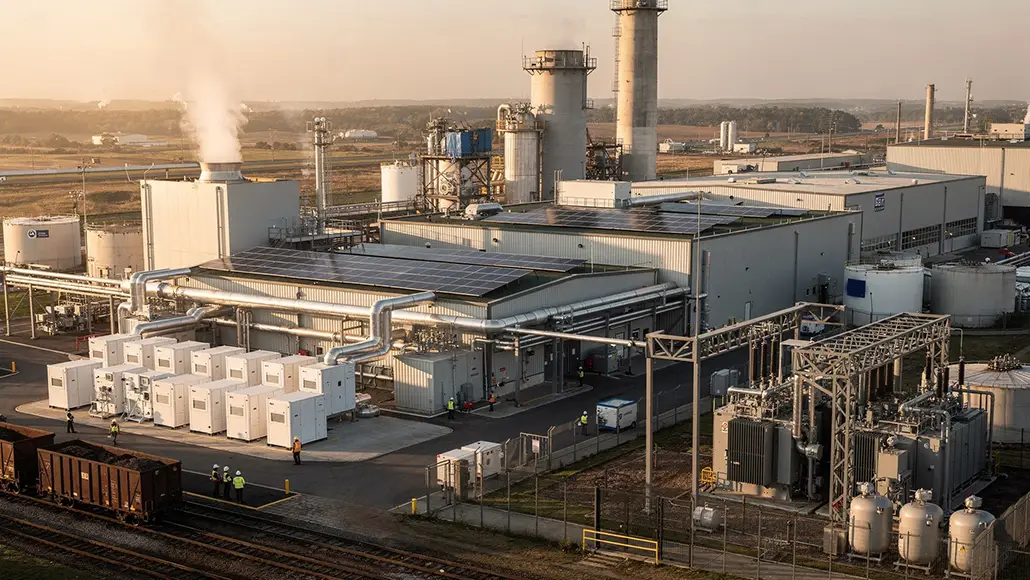
As grids decarbonise, electrified processes gain a larger emissions advantage. Securing low carbon power is therefore a strategic pillar for energy intensive manufacturing. Some firms rely on grid improvements; others procure renewable electricity through long-term contracts. On-site generation and storage can add resilience but rarely replace grid power entirely.
However, the industrial energy transition often runs into a practical constraint: electrical infrastructure. Large-scale electrification may require substations, transformers, switchgear upgrades, and sometimes new transmission capacity. Planning must account for these timelines.
Process Electrification: Where Electrons Beat Molecules
Electrification can be highly effective for motors and many low-to-mid temperature heat needs, and it is expanding into higher-temperature applications through induction, infrared, microwave, plasma, and electric arc technologies. The key is selecting applications where electrification delivers both emissions reduction and operational benefits such as tighter control and faster response.
Electrification is not always the cheapest option in the short term, but it can reduce maintenance complexity, improve quality consistency, and support automation. Over time, these benefits can help justify investment.
Clean Hydrogen and Sustainable Fuels: Where Molecules Still Win
Some manufacturing processes require high-temperature combustion or need hydrogen as a chemical input. Clean hydrogen can decarbonise those segments, particularly in refining, chemicals, and emerging low-carbon steel routes. Sustainable fuels biomethane, biomass, renewable liquids can also reduce emissions where electrification is limited.
The challenge is ensuring that fuels are genuinely low carbon over their lifecycle and that supply chains are reliable. For many plants, early steps involve blending and piloting rather than immediate full conversion.
Carbon Capture for Residual and Process Emissions
In sectors such as cement and certain chemical processes, carbon capture is often one of the few options to address process emissions. It can also reduce residual combustion emissions where fuel switching is slow. Carbon capture projects require integration with CO₂ transport and storage infrastructure, which is why industrial clusters play a major role in near-term deployment.
Carbon capture should be treated as part of a broader pathway, not as an excuse to avoid efficiency or electrification. When integrated well, it can provide deep reductions while maintaining production continuity.
Sector-Specific Pathways: One Size Does Not Fit All
Decarbonisation pathways differ by sector because constraints differ.
Steel may move toward direct reduced iron using hydrogen, increased scrap recycling, and electrified furnaces. Cement may focus on alternative fuels, clinker substitution, improved kiln efficiency, and carbon capture. Chemicals may pursue electrified cracking technologies over time, increase recycling and circular feedstocks, and deploy low-carbon hydrogen and carbon capture in the interim.
Even within the same sector, geography matters. A plant near abundant renewable power may electrify faster. A plant in a region with suitable CO₂ storage geology may deploy CCS earlier. A facility in a water-stressed area may prioritise technologies with lower water demand.
The Role of Data and Measurement in Clean Manufacturing
As decarbonisation pathways become more complex, measurement becomes more important. Companies need credible baselines, clear KPIs, and verification that improvements are real. Buyers are increasingly asking for product-level carbon footprints, which requires allocation of energy and emissions to specific product streams.
Digital energy management, process historians, and advanced analytics can support this by linking energy use to production context. Measurement also helps prioritise investment. When teams can see where emissions concentrate, they can focus on the steps that matter most rather than spreading effort thinly across low-impact projects.
Economics, Competitiveness, and the Cost Curve
A practical decarbonisation pathway is one that a business can finance and operate. Some measures pay back quickly, such as efficiency and certain heat recovery projects. Others hydrogen conversion, large electrification, carbon capture may require policy support, new markets for low-carbon products, or long-term contracts to justify investment.
Competitiveness also depends on timing. Early movers can access premium markets for low-carbon materials, secure infrastructure positions, and develop operational learning. Late movers may face rising compliance costs, restricted market access, or carbon border mechanisms.
The most resilient strategy is to build optionality: invest in measures that reduce emissions now while keeping pathways open for deeper changes as technology costs decline and infrastructure expands.
A Practical Roadmap for Manufacturers
Most manufacturers benefit from a staged roadmap. Begin with a detailed energy and emissions map and implement “no-regrets” efficiency improvements. Expand digital monitoring to track performance and detect drift. Pursue electrification where it is technically straightforward and where grid capacity can support it. Pilot low-carbon fuels or hydrogen in targeted units. Engage with cluster initiatives for shared infrastructure, including hydrogen networks and CO₂ transport/storage.
Throughout, align engineering planning with procurement and finance. Decarbonisation is not just a technical program; it is a capital strategy.
What Success Looks Like in the Next Decade
The manufacturers that succeed will treat the industrial energy transition as a continuous improvement journey rather than a one-time retrofit. They will build capability in data, in cross-functional collaboration, and in disciplined execution. They will avoid chasing every new technology headline, instead matching solutions to process realities and site constraints.
Decarbonisation pathways energy intensive manufacturing ultimately become a way of preserving industrial relevance in a changing world. Cleaner power systems, advanced heat solutions, and credible emissions reduction are rapidly becoming prerequisites for market access and investment. The plants that adapt thoughtfully balancing ambition with operational realism will not only reduce emissions. They will build more efficient, resilient, and competitive manufacturing systems that can thrive in an economy that increasingly rewards clean performance.