































Close
MCE 2026
World Hydrogen & Carbon Americas

Texas Utility-Scale Solar Project Secures $524m Funding

Note* - All images used are for editorial and illustrative purposes only and may not originate from the original news provider or associated company.

Subscribe

- Never miss a story with notifications

- Gain full access to our premium content

- Browse free from any location or device.

Media Packs

Expand Your Reach With Our Customized Solutions Empowering Your Campaigns To Maximize Your Reach & Drive Real Results!

– Access the Media Pack Now

– Book a Conference Call

Leave Message for Us to Get Back

Related stories

Decarbonisation Pathways for Energy Intensive Manufacturing

Decarbonisation pathways are helping energy intensive manufacturing cut emissions through cleaner power, smarter heat strategies, and advanced technologies that protect competitiveness.

Industrial Water Energy Nexus in Power Intensive Processes

The industrial water energy nexus links water use and power demand, and managing it well can lift efficiency, reduce risk, and strengthen sustainability in power intensive processes.

Electrochemical Technologies Supporting Clean Energy Systems

Electrochemical technologies are strengthening clean energy systems by enabling efficient hydrogen production, practical storage solutions, and lower-emission power processes.
- Advertisement -

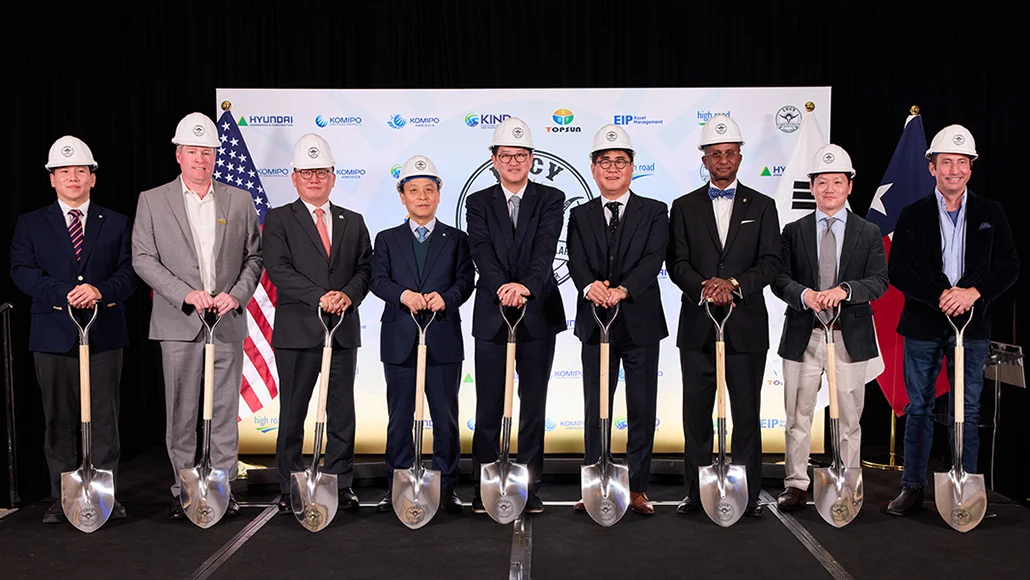
A Texas utility-scale solar project has reached a major financing milestone as developers broke ground on the 350-megawatt Lucy Solar facility in Concho County. Backed by $524 million in capital from a Korean-led investment consortium, the project is among the largest international renewable energy investments currently underway in the state.

The Lucy Solar facility spans nearly 2,900 acres of ranchland and is expected to begin commercial operations by mid-2027. Once online, the Texas utility-scale solar project is projected to deliver around 926 gigawatt-hours of electricity annually, strengthening the ERCOT grid at a time when statewide power demand is forecast to rise sharply.

The consortium responsible for delivering the project is made up of South Korean and U.S. partners Hyundai Engineering & Construction, Korea Midland Power, Korea Overseas Infrastructure & Urban Development Corporation, PIS Fund, Topsun and EIP Asset Management. The consortium aggregated project financing, engineering, and long-term operations under one development vehicle.

All power generated by the facility has been contracted through long-term virtual power purchase agreements with multinational corporations such as Starbucks and Workday. These agreements provide predictable revenue for the project while supporting corporate decarbonisation targets.

Beyond grid support, the development is expected to bring material economic benefits to Concho County. Construction is forecast to create roughly 500 jobs, while ongoing operations are expected to contribute about $5 million annually in local property tax revenue for schools and infrastructure.

The project also incorporates a community benefit initiative that allocates a portion of revenues to support socially disadvantaged farmers, ranchers, and local development programmes.

Engineering, procurement, and construction services are being provided by Primoris Renewable Energy, with High Road Energy Marketing acting as co-developer. The facility will deploy single-axis tracking systems using modules supplied through Hyundai E&C in partnership with Topsun. Korea Midland Power will oversee long-term operations and maintenance following commissioning.

The Lucy Solar development underscores how global capital is accelerating deployment of large-scale renewables in Texas, reinforcing rural economies while addressing mounting electricity demand.

Latest stories

Related stories

Decarbonisation Pathways for Energy Intensive Manufacturing

Decarbonisation pathways are helping energy intensive manufacturing cut emissions through cleaner power, smarter heat strategies, and advanced technologies that protect competitiveness.

Industrial Water Energy Nexus in Power Intensive Processes

The industrial water energy nexus links water use and power demand, and managing it well can lift efficiency, reduce risk, and strengthen sustainability in power intensive processes.

Electrochemical Technologies Supporting Clean Energy Systems

Electrochemical technologies are strengthening clean energy systems by enabling efficient hydrogen production, practical storage solutions, and lower-emission power processes.

Sustainable Fuel Alternatives for Industrial Power Generation

Sustainable fuel alternatives are helping industrial power generation lower carbon intensity without sacrificing dependable heat and power, especially where electrification is limited.

Subscribe

- Never miss a story with notifications

- Gain full access to our premium content

- Browse free from any location or device.

Media Packs

Expand Your Reach With Our Customized Solutions Empowering Your Campaigns To Maximize Your Reach & Drive Real Results!

– Access the Media Pack Now

– Book a Conference Call

Leave Message for Us to Get Back

Translate »