



































The energy landscape is undergoing a profound transformation, moving toward a decentralized and digitized grid that demands a new paradigm for worker safety. As the complexity of high-voltage environments increases, traditional safety measures are being augmented by smart safety systems power transmission networks. These advanced technologies represent a significant leap forward from passive protection to active, intelligent oversight. By embedding sensors, connectivity, and real-time analytics into the daily workflows of grid personnel, organizations are creating an environment where safety is a dynamic and responsive component of every operation. The adoption of smart safety systems power transmission solutions is no longer a luxury for forward-thinking companies; it is becoming a fundamental requirement for maintaining a resilient and protected workforce.
At the core of this technological shift is the Internet of Things (IoT), which enables a level of visibility into field operations that was previously impossible. Smart safety systems power transmission workers by utilizing wearable devices that monitor vital signs, environmental conditions, and proximity to energized equipment. These sensors can detect everything from extreme heat and dangerous gas levels to the early signs of physical fatigue. When a potential hazard is identified, the system can immediately alert both the worker and the central command center, allowing for swift intervention. This proactive approach to smart safety systems power transmission ensures that risks are mitigated in real-time, drastically reducing the window of vulnerability for those working on the front lines of energy delivery.
Wearable Technology and the Connected Lineman
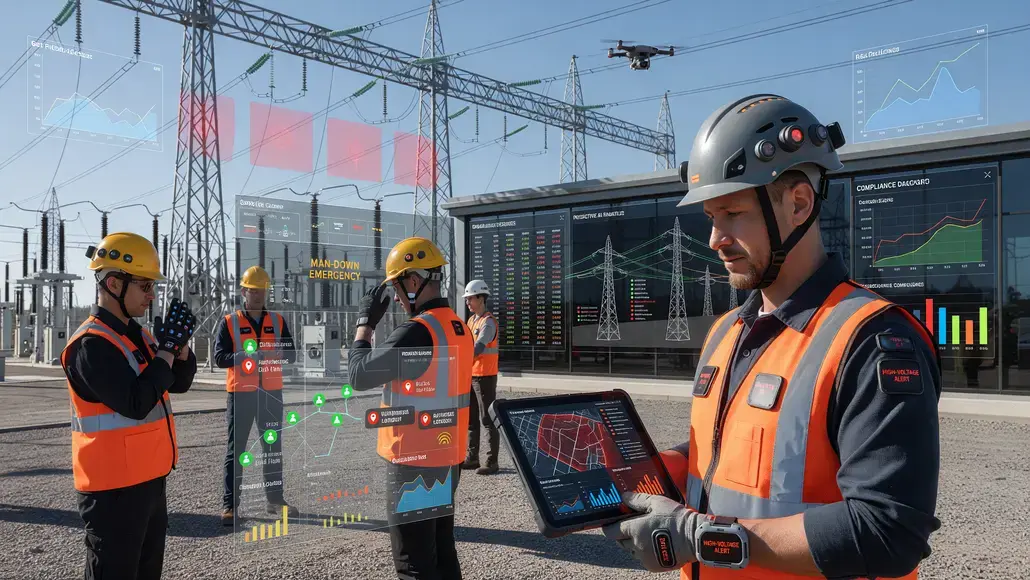
The integration of wearable tech into personal protective equipment (PPE) is one of the most visible aspects of grid workforce safety. Helmets, vests, and even gloves are now being outfitted with smart sensors that form an integral part of smart safety systems power transmission. For example, high-voltage proximity alarms worn on the wrist or attached to a hard hat can provide audible and haptic feedback when a technician approaches an energized zone. This immediate feedback loop is critical in an environment where electrical hazards are invisible and potentially lethal. By incorporating these devices into the standard gear of the grid workforce safety, companies are providing a constant, silent guardian for their employees.
Furthermore, the data collected by these wearables offers invaluable insights into the physical demands of the job. Smart safety systems power transmission analytics can identify patterns of strain or repetitive motion that could lead to long-term musculoskeletal injuries. By analyzing this information, safety managers can adjust work schedules, implement targeted stretching programs, or redesign specific tasks to better suit the physical capabilities of their teams. This holistic view of worker protection technology demonstrates how digital safety solutions can improve not only immediate survival but also the long-term health and well-being of the workforce.
Real-Time Monitoring and Geofencing for Hazardous Zones
The ability to monitor the location and status of workers across vast geographical areas is a game-changer for large-scale utility operations. Smart safety systems power transmission networks use GPS and geofencing technology to create virtual boundaries around particularly dangerous areas, such as active substations or unstable terrain. If a worker enters one of these zones without the proper authorization or required equipment, the system can trigger an automated lockout or send an urgent notification to the onsite supervisor. This level of digital safety solutions provides an additional layer of defense against accidental entry into hazardous environments, which is a leading cause of incidents in the power sector innovation space.
In addition to geofencing, real-time monitoring allows for more effective emergency response. In the event of an accident or a “man-down” situation, smart safety systems power transmission can pinpoint the exact coordinates of the affected individual. This significantly reduces response times, which is often the difference between a minor injury and a fatality in remote or isolated work sites. The integration of satellite communication ensures that this connectivity remains intact even in areas with poor cellular coverage. The reliability of these smart safety systems power transmission tools builds confidence among workers, knowing that help is always just a digital signal away.
Data-Driven Compliance and Risk Management
Beyond the immediate tactical benefits, the implementation of smart safety systems power transmission has a profound impact on organizational compliance and risk management. Every interaction between a worker and their environment is recorded, creating a comprehensive audit trail of safety performance. This data can be used to demonstrate adherence to regulatory standards or to identify areas where additional training is needed. Power sector innovation is increasingly focused on using this data to move from a reactive to a predictive safety model. By analyzing historical incident data alongside real-time environmental conditions, smart safety systems power transmission can predict when and where accidents are most likely to occur.
This predictive capability allows for a more strategic allocation of safety resources. Instead of conducting generic safety briefings, managers can provide targeted interventions based on the specific risks identified by the smart safety systems power transmission data. This level of sophistication in industrial safety planning ensures that every safety dollar spent is having the maximum possible impact on worker protection. Moreover, the transparency provided by these systems can lead to more favorable insurance premiums and a stronger overall ESG (Environmental, Social, and Governance) profile for the utility company.
The Future of Power Sector Innovation and Worker Safety
As we look to the future, the role of artificial intelligence (AI) and machine learning in smart safety systems power transmission will only continue to grow. We are moving toward a reality where safety systems can autonomously adjust to changing conditions, such as automatically de-energizing a circuit when a worker is detected in a critical zone. The convergence of digital twins virtual replicas of physical assets with real-time worker data will allow for complex simulations of maintenance tasks before they are even attempted in the field. This level of preparation ensures that the grid workforce safety is never compromised by the unexpected.
In conclusion, the deployment of smart safety systems power transmission is a vital step in modernizing our energy infrastructure. These systems provide a sophisticated, multi-layered approach to protection that addresses the physical, environmental, and informational needs of the modern energy professional. By embracing these digital safety solutions, utility companies are not only protecting their most valuable assets but are also building a more resilient and efficient grid. The journey toward a zero-incident workplace is a continuous process of improvement, and smart safety systems power transmission are the engines driving that progress. Through the intelligent application of technology, we can ensure that every worker who helps power our world returns home safely at the end of every shift.