











France has formally published its third Multiannual Energy Programme (PPE3), setting out the country’s energy strategy for 2026–2035 and confirming a decisive expansion of nuclear power alongside continued development of renewable generation. The plan, presented by Prime Minister Sébastien Lecornu, establishes the trajectory for reducing fossil fuel consumption, accelerating electrification and increasing decarbonised electricity output over the next decade.
The PPE3 energy plan is not legislation but defines the policy pathway for energy consumption and production through 2035. Lecornu confirmed he would sign the decree publishing the programme, describing the move as driven by “urgency” after prolonged political delays. The government has adopted the roadmap by decree, arguing the matter has already been extensively debated.
At the centre of the strategy is a structural shift in the energy mix. The government aims to raise electricity’s share of total energy consumption to 60% by 2030, up from around 30% today, and to achieve 70% decarbonised energy by 2035. Decarbonised electricity production is targeted to increase to between 650 and 693 TWh in 2035, compared with 458 TWh in 2023. Fossil fuel consumption is set to fall to about 330 TWh in 2035, down from 900 TWh in 2023. The latest plan sets a nuclear production target of 380–420 TWh per year between 2030 and 2035, compared with the previous 360–400 TWh range, consistent with EDF’s target of 400 TWh.
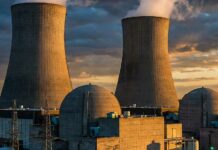
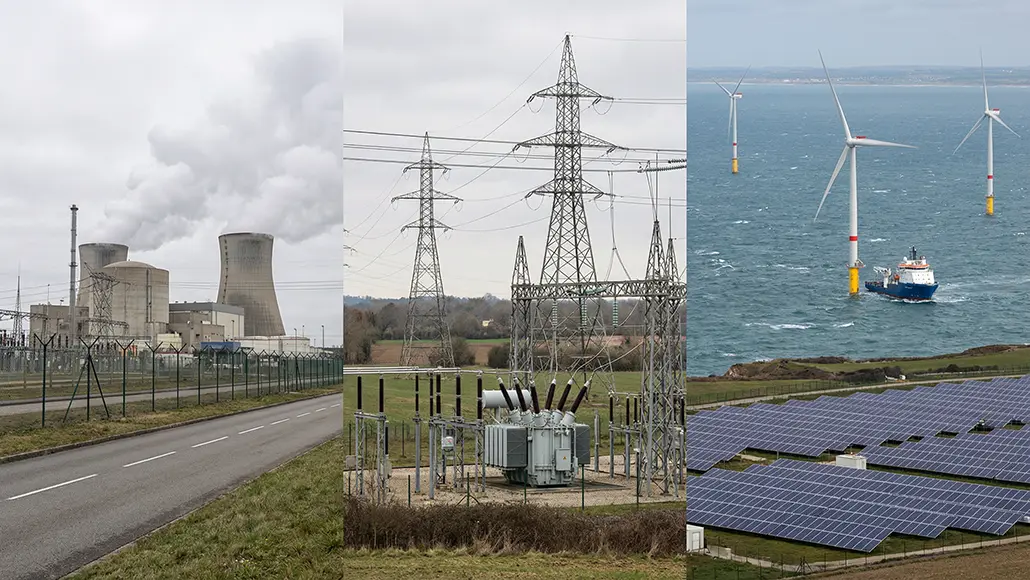
Nuclear power remains central. The PPE3 energy plan calls for the construction of six EPR2 reactors and establishes the objective of deciding, as early as 2026, on launching eight additional EPR2 reactors. It also provides for extending the lifespan of existing reactors to 50 or even 60 years, subject to safety requirements, beginning construction of a first small modular reactor around the start of the 2030s, and renewing the back-end of the nuclear fuel cycle. The previous objective in PPE2 of shutting down 14 reactors, including the two units at the Fessenheim plant, has been formally abandoned.
The strategy reflects commitments first outlined in February 2022, when President Emmanuel Macron announced a “nuclear renaissance,” proposing six new reactors with an option for eight more. France currently operates 57 nuclear power plants, and the new programme foresees greater utilisation of this fleet. The government said the PPE3 is aligned with the National Low-Carbon Strategy, European commitments and the Paris Agreement, and is based on parliamentary debates from spring 2025 and forward-looking scenarios published by transmission system operator RTE in December 2025.
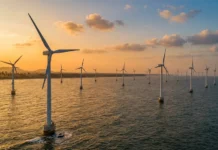
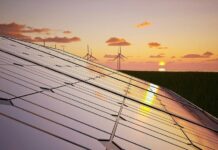
Renewables remain part of the energy mix, though with adjustments. The plan maintains support for offshore wind, solar photovoltaic, geothermal energy and onshore wind, while placing emphasis on upgrading existing onshore wind farms rather than expanding land-based capacity extensively. Renewable energy unions were assured there would be “no moratorium on renewable energy,” and calls for tenders for solar and wind projects will proceed.
The programme carries significant financial and economic implications. Fossil fuel imports currently represent nearly EUR60 billion per year, while oil and gas accounted for 64 billion euros in imports in 2024 and still make up 60% of energy consumption. The government’s objective is to reduce fossil fuels to no more than 40% of energy consumed by 2030 and to phase out oil use between 2040 and 2045, with fossil gas to be phased out by 2050. Implementation of the PPE3 is expected to generate more than 120,000 additional jobs by 2030, particularly in nuclear, solar photovoltaic and offshore wind sectors.
Industry responses have been supportive. Framatome, EDF and Orano welcomed the publication of the plan and its emphasis on electrification and nuclear development. EDF confirmed its commitment to the six EPR2 reactors and the option for eight more, alongside life extensions for existing reactors and continued investment in hydropower and offshore wind. Orano highlighted the visibility the PPE3 provides for industrial projects across the nuclear fuel cycle. Gifen described the plan as a decisive step that confirms nuclear power at the heart of France’s energy strategy.
Political divisions persist. Marine Le Pen criticised the decree-based adoption, estimating costs of “at least €300 billion,” while Olivier Faure warned that further delays would “undermine renewable energy.” Environmental groups, including Greenpeace France, criticised what they called a “stubborn insistence” on nuclear expansion.
For the power generation sector, the PPE3 provides long-term visibility on capacity additions, lifetime extensions and investment direction. It establishes nuclear energy as the backbone of France’s decarbonisation pathway while maintaining a complementary role for renewables, setting the framework for generation planning, grid investment and fuel cycle development through 2035.