











Close
MCE 2026
World Hydrogen & Carbon Americas

Australia plans to add 32GW of renewable energy by 2030

Note* - All images used are for editorial and illustrative purposes only and may not originate from the original news provider or associated company.

Subscribe

- Never miss a story with notifications

- Gain full access to our premium content

- Browse free from any location or device.

Media Packs

Expand Your Reach With Our Customized Solutions Empowering Your Campaigns To Maximize Your Reach & Drive Real Results!

– Access the Media Pack Now

– Book a Conference Call

Leave Message for Us to Get Back

Related stories

Hybrid Power Systems Combining Renewables Hydrogen and Dispatchable Generation

In-depth analysis of hybrid power system architecture integrating renewables, hydrogen storage and dispatchable generation to manage intermittency, enhance grid stability and achieve long-term decarbonisation targets.

Carbon Utilisation Pathways Creating New Value for Power Producers

Exploration of how captured carbon emissions are transformed into commercially viable products, from synthetic fuels to industrial feedstocks, improving project economics for power producers through carbon utilisation strategies.

Integrating Renewable Energy into Large-Scale Hydrogen Production

Examination of how solar, wind and hydro resources are integrated into large-scale hydrogen production, with focus on intermittency, optimisation and grid vs off-grid models.
- Advertisement -

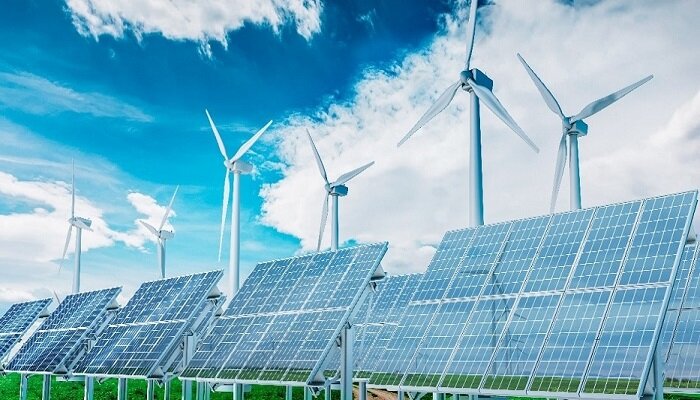
The Australian Government is looking to add 32GW of renewable and clean dispatchable energy capacity to its national electricity grid by 2030.

The federal government, in conjunction with state and territorial governments, plans to acquire the energy by expanding the capacity investment scheme (CIS) and the National Energy Transformation Partnership.

The CIS, a national framework to increase investment in renewables, will be used to underwrite 9GW of dispatchable projects and 23GW in variable capacity nationally.

This will bring the total capacity to 32GW by 2030 – equivalent to half of the country’s national electricity market’s present capacity, with 11 million customers.

Through renewable capacity expansion, the government aims to bring both reliability and affordability to changing energy markets as coal-fired power stations are nearing the end of their lives.

By underwriting new renewable generation and storage, the government can provide certainty for investors while making cheaper and clean energy available to households and businesses.

The government is also planning to negotiate bilateral renewable energy transformation agreements with states and territories.

The states and territories will ensure the delivery of the renewable projects along with commitments to maintain agreed reliability benchmarks, manage orderly transition and invest in strategic electricity reserves.

Half the 32GW capacity is expected to be subject to such agreements. The government has also warned that it may reallocate capacities from jurisdictions that do not make agreements to those that have.

The government will also consider hurdles to renewable investments including supply chain and labour constraints.

In July 2023, the federal government declared a Pacific offshore wind development zone, with the potential to generate 5GW, in the Hunter region of New South Wales.

Latest stories

Related stories

Hybrid Power Systems Combining Renewables Hydrogen and Dispatchable Generation

In-depth analysis of hybrid power system architecture integrating renewables, hydrogen storage and dispatchable generation to manage intermittency, enhance grid stability and achieve long-term decarbonisation targets.

Carbon Utilisation Pathways Creating New Value for Power Producers

Exploration of how captured carbon emissions are transformed into commercially viable products, from synthetic fuels to industrial feedstocks, improving project economics for power producers through carbon utilisation strategies.

Integrating Renewable Energy into Large-Scale Hydrogen Production

Examination of how solar, wind and hydro resources are integrated into large-scale hydrogen production, with focus on intermittency, optimisation and grid vs off-grid models.

Electrolysis Technologies Advancing the Future of Clean Power

Comparative analysis of alkaline, PEM and solid oxide electrolysers, their efficiency, cost trajectories and implications for renewable-driven hydrogen and clean power.

Subscribe

- Never miss a story with notifications

- Gain full access to our premium content

- Browse free from any location or device.

Media Packs

Expand Your Reach With Our Customized Solutions Empowering Your Campaigns To Maximize Your Reach & Drive Real Results!

– Access the Media Pack Now

– Book a Conference Call

Leave Message for Us to Get Back

Translate »