


































Close
MCE 2026
World Hydrogen & Carbon Americas

India Witnesses A Boom In Investment In Renewable Energy

Note* - All images used are for editorial and illustrative purposes only and may not originate from the original news provider or associated company.

Subscribe

- Never miss a story with notifications

- Gain full access to our premium content

- Browse free from any location or device.

Media Packs

Expand Your Reach With Our Customized Solutions Empowering Your Campaigns To Maximize Your Reach & Drive Real Results!

– Access the Media Pack Now

– Book a Conference Call

– Leave Message for Us to Get Back

Related stories

Decarbonisation Pathways for Energy Intensive Manufacturing

Decarbonisation pathways are helping energy intensive manufacturing cut emissions through cleaner power, smarter heat strategies, and advanced technologies that protect competitiveness.

Industrial Water Energy Nexus in Power Intensive Processes

The industrial water energy nexus links water use and power demand, and managing it well can lift efficiency, reduce risk, and strengthen sustainability in power intensive processes.

Electrochemical Technologies Supporting Clean Energy Systems

Electrochemical technologies are strengthening clean energy systems by enabling efficient hydrogen production, practical storage solutions, and lower-emission power processes.
- Advertisement -

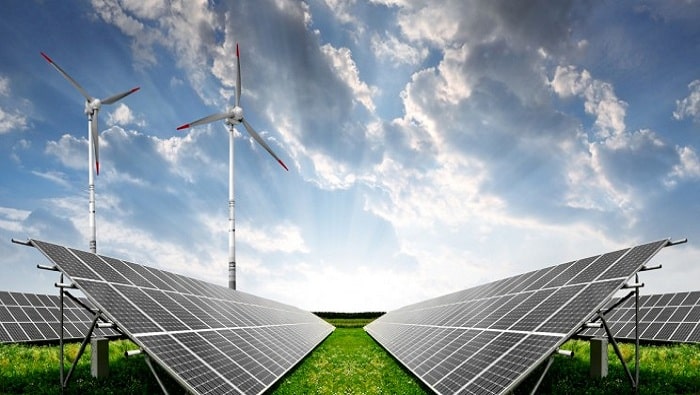
India’s investment in electricity generation has recovered from the COVID-19 pandemic’s fall, with 15.5 gigawatts (GW) of renewable power added in the most recent fiscal year, marking a historic investment of US $14.5 billion. 42% of the entire investment in FY2021/22 was spent on acquisitions, which accounted for the majority of the money flow. The bulk of the other major transactions included bonds, debt, equity investment, and mezzanine financing. With a sale of assets totalling US $3.5 billion, SB Energy’s exit from the Indian renewables market in October 2021 represented the biggest deal. Other significant transactions included the purchase of REC Solar holding assets by Reliance New Energy Solar and the bond market financing of a number of businesses, including Adani Green, Vector Green, Indian Railway Finance Corporation, ReNew Power, and Azure Power.

When compared to FY2020/21 and pre-pandemic FY2019/20, the funding in FY2021/22 is up 125% and 72%, respectively. However, for India to achieve its goal of 450GW of renewable energy capacity by 2030, investment in renewables will need to more than double to roughly US $30-40 billion per year.

High economic growth will make it necessary to develop renewable energy capacity quickly in order to meet rising energy demand.

To help states speed up the adoption of renewable energy, it will be necessary to invest in an entire ecosystem that includes flexible generation options like battery storage and pumped hydro; the advancement of transmission and distribution systems; the modernization and digitalization of the grid; domestic production of solar modules, cells, wafers, and electrolysers; the promotion of electric vehicles; and increased deployment of distributed renewable energy sources like rooftop solar. Some of the key findings derived from the current scenario were:

  • In the previous fiscal year, India invested a record US $14.5 billion in renewable energy (FY2021-22).
  • Renewables investment surged by 125% to FY2020-21 and by 72% compared to pre-pandemic FY2019-20.
  • The increase in investment is the result of both financial institutions’ pledges to abandon fossil fuels and the rebound in electricity consumption following the COVID-19 dip.
  • India’s goal of 450GW of renewable energy generation by 2030 will require investment to more than double to $30-$40 billion yearly.

Latest stories

Related stories

Decarbonisation Pathways for Energy Intensive Manufacturing

Decarbonisation pathways are helping energy intensive manufacturing cut emissions through cleaner power, smarter heat strategies, and advanced technologies that protect competitiveness.

Industrial Water Energy Nexus in Power Intensive Processes

The industrial water energy nexus links water use and power demand, and managing it well can lift efficiency, reduce risk, and strengthen sustainability in power intensive processes.

Electrochemical Technologies Supporting Clean Energy Systems

Electrochemical technologies are strengthening clean energy systems by enabling efficient hydrogen production, practical storage solutions, and lower-emission power processes.

Sustainable Fuel Alternatives for Industrial Power Generation

Sustainable fuel alternatives are helping industrial power generation lower carbon intensity without sacrificing dependable heat and power, especially where electrification is limited.

Subscribe

- Never miss a story with notifications

- Gain full access to our premium content

- Browse free from any location or device.

Media Packs

Expand Your Reach With Our Customized Solutions Empowering Your Campaigns To Maximize Your Reach & Drive Real Results!

– Access the Media Pack Now

– Book a Conference Call

– Leave Message for Us to Get Back

Translate »