


















Close
MCE 2026
World Hydrogen & Carbon Americas

Indonesia Aims For 76% Renewable Energy In Its Power Mix

Note* - All images used are for editorial and illustrative purposes only and may not originate from the original news provider or associated company.

Subscribe

- Never miss a story with notifications

- Gain full access to our premium content

- Browse free from any location or device.

Media Packs

Expand Your Reach With Our Customized Solutions Empowering Your Campaigns To Maximize Your Reach & Drive Real Results!

– Access the Media Pack Now

– Book a Conference Call

Leave Message for Us to Get Back

Related stories

Hybrid Power Systems Combining Renewables Hydrogen and Dispatchable Generation

In-depth analysis of hybrid power system architecture integrating renewables, hydrogen storage and dispatchable generation to manage intermittency, enhance grid stability and achieve long-term decarbonisation targets.

Carbon Utilisation Pathways Creating New Value for Power Producers

Exploration of how captured carbon emissions are transformed into commercially viable products, from synthetic fuels to industrial feedstocks, improving project economics for power producers through carbon utilisation strategies.

Integrating Renewable Energy into Large-Scale Hydrogen Production

Examination of how solar, wind and hydro resources are integrated into large-scale hydrogen production, with focus on intermittency, optimisation and grid vs off-grid models.
- Advertisement -

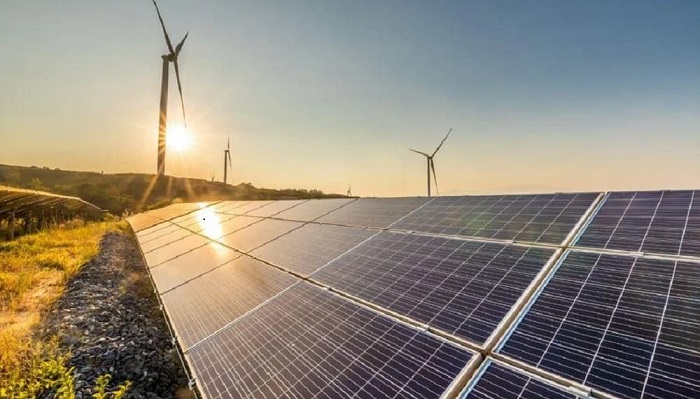
Indonesia has reinforced its commitment to combating climate change through its active participation in the Paris Agreement by enhancing its Nationally Determined Contributions (NDC). A significant part of this effort is centered around the expansion of renewable energy in the electricity sector.

Speaking at the 7th Indonesia-China Energy Forum (ICEF) in Bali, Director General of Electricity Jisman Hutajulu emphasized Indonesia’s dedication to increasing the share of renewable energy in the nation’s electricity supply. The 2021-2030 PLN Green Electricity Supply Business Plan (RUPTL) includes approximately 41 GW of power plant projects, with 52% or 21 GW sourced from renewable energy, Jisman stated.

Out of these planned projects, 12 GW of renewable energy plants have already been completed, while the remaining 18.7 GW are in various stages of planning. Jisman highlighted the investment potential for international stakeholders, mentioning that the projects could be executed through the Independent Power Producer (IPP) scheme or Engineering, Procurement, and Construction (EPC) contractors.

Indonesia offers a vast opportunity for foreign investment in renewable energy, Jisman noted, mentioning that key projects include hydropower plants (7 GW), solar power plants (4.4 GW), geothermal power plants (2.2 GW), and other renewable energy sources. The overall investment required is estimated at USD 28 billion.

The government is currently revising its targets for renewable energy, aiming to increase the total capacity from 21 GW to 33 GW, thereby raising the share of renewable energy in the national energy mix from 52% to 76%. According to projections, electricity demand in Indonesia is expected to reach 72 GW by 2033, driven in part by growing demand from industries like smelting and data centers.

However, challenges remain, especially regarding the geographical mismatch between renewable energy sources and electricity demand centers. While the islands of Sumatra and Kalimantan possess immense renewable energy potential, the largest electricity consumers are located on Java, Sulawesi, and Batam.

They need to accelerate the development of renewable energy power plants to meet the increasing demand, particularly in Java, where electricity demand is growing by 1 to 3 GW annually, Jisman said. Indonesia has abundant renewable energy resources, with 1,233 GW of potential in Sumatra and 518 GW in Kalimantan from solar, bioenergy, wind, and geothermal sources.

Despite the obstacles, Indonesia remains determined to push forward with its renewable energy agenda, with both domestic and international investments playing a key role in the country’s clean energy transition.

Latest stories

Related stories

Hybrid Power Systems Combining Renewables Hydrogen and Dispatchable Generation

In-depth analysis of hybrid power system architecture integrating renewables, hydrogen storage and dispatchable generation to manage intermittency, enhance grid stability and achieve long-term decarbonisation targets.

Carbon Utilisation Pathways Creating New Value for Power Producers

Exploration of how captured carbon emissions are transformed into commercially viable products, from synthetic fuels to industrial feedstocks, improving project economics for power producers through carbon utilisation strategies.

Integrating Renewable Energy into Large-Scale Hydrogen Production

Examination of how solar, wind and hydro resources are integrated into large-scale hydrogen production, with focus on intermittency, optimisation and grid vs off-grid models.

Electrolysis Technologies Advancing the Future of Clean Power

Comparative analysis of alkaline, PEM and solid oxide electrolysers, their efficiency, cost trajectories and implications for renewable-driven hydrogen and clean power.

Subscribe

- Never miss a story with notifications

- Gain full access to our premium content

- Browse free from any location or device.

Media Packs

Expand Your Reach With Our Customized Solutions Empowering Your Campaigns To Maximize Your Reach & Drive Real Results!

– Access the Media Pack Now

– Book a Conference Call

Leave Message for Us to Get Back

Translate »