
















Events Date: 9

Japan not eyeing new reactors to help reach 2050 carbon-neutral goal

Note* - All images used are for editorial and illustrative purposes only and may not originate from the original news provider or associated company.

Subscribe

- Never miss a story with notifications

- Gain full access to our premium content

- Browse free from any location or device.

Media Packs

Expand Your Reach With Our Customized Solutions Empowering Your Campaigns To Maximize Your Reach & Drive Real Results!

โ€“ Access the Media Pack Now

โ€“ Book a Conference Call

โ€“ Leave Message for Us to Get Back

Related stories

Busan Unveils Nuclear Industry Development Plan to 2030

The metropolitan government of Busan has officially announced a...

Nanoscale Light Upconversion Boosts Solar Cells, Says UNSW

Researchers at the University of New South Wales (UNSW)...

Condition Monitoring Enhancing Power Asset Reliability

The transition from reactive to predictive maintenance is revolutionizing the management of critical electrical infrastructure. By leveraging sensor intelligence and real-time analytics, condition monitoring is enabling operators to identify potential failures before they occur, thereby maximizing uptime and extending the service life of essential power assets in an increasingly demanding energy market.
- Advertisement -

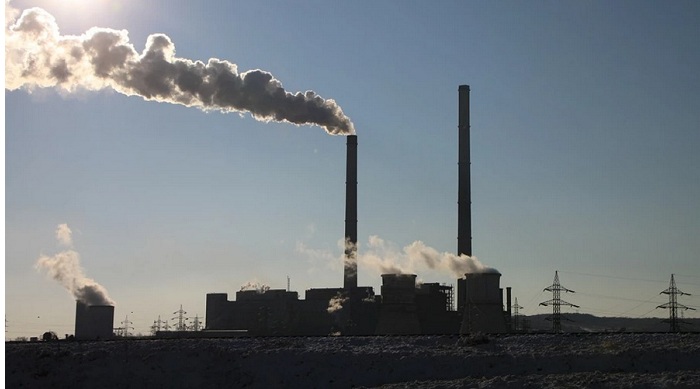
For the world’s fifth-biggest emitter, reining in emissions from utilities that contribute about 4/5ths of carbon dioxide output is key to achieving the deadline set by its new prime minister, Yoshihide Suga.

Japan not eyeing new reactors to help reach 2050 carbon-neutral goalTOKYO: Japan is not considering building new nuclear power plants to help it become carbon-free by 2050, the government’s top spokesman said on Wednesday.

For the world’s fifth-biggest emitter, reining in emissions from utilities that contribute about 4/5ths of carbon dioxide output is key to achieving the deadline set by its new prime minister, Yoshihide Suga.

“At this stage we are not considering the construction of additional nuclear power plants,” Chief Cabinet Secretary Katsunobu Kato told a regular news briefing.

The government is reviewing energy policy, looking to use renewable energy sources and existing nuclear plants that can be operated safely, he added.

Suga unveiled the 2050 goal after Japan said it aimed to be carbon-free sometime in the second half of the century, which brings it in line with the European Union.

“We will look at all possibilities, including renewables and nuclear,” Suga said later, replying to a question in parliament, but did not say if that included building new reactors or not.

Power Info Today brings together the global energy industry โ€” from generation and transmission operators to utility executives and energy transition leaders โ€” through trusted editorial, market intelligence, and digital engagement.

Our 2026 Media Pack offers integrated solutions to reach your audience:

  • Magazine & Digital Editions Showcase your brand within premium energy industry coverage read by executives and decision - makers worldwide.
  • Industry Insights & Reports Align with data - driven analysis, trend reports, and regional roundups across the global power and energy value chain.
  • Brand Authority & Credibility Position your company as a thought leader through expert commentary, interviews, and special features.

Latest stories

Related stories

Busan Unveils Nuclear Industry Development Plan to 2030

The metropolitan government of Busan has officially announced a...

Nanoscale Light Upconversion Boosts Solar Cells, Says UNSW

Researchers at the University of New South Wales (UNSW)...

Condition Monitoring Enhancing Power Asset Reliability

The transition from reactive to predictive maintenance is revolutionizing the management of critical electrical infrastructure. By leveraging sensor intelligence and real-time analytics, condition monitoring is enabling operators to identify potential failures before they occur, thereby maximizing uptime and extending the service life of essential power assets in an increasingly demanding energy market.

DC Power Architectures Supporting Future Energy Needs

As our global energy systems transition toward decentralized renewable sources and intensive digital loads, the limitations of traditional AC distribution are becoming increasingly apparent. This comprehensive article explores how modern DC power architectures are eliminating conversion losses and simplifying the integration of solar, storage, and electric mobility, paving the way for a more efficient and resilient future energy infrastructure.

Subscribe

- Never miss a story with notifications

- Gain full access to our premium content

- Browse free from any location or device.

Media Packs

Expand Your Reach With Our Customized Solutions Empowering Your Campaigns To Maximize Your Reach & Drive Real Results!

โ€“ Access the Media Pack Now

โ€“ Book a Conference Call

โ€“ Leave Message for Us to Get Back

Translate ยป