

















The global energy landscape has been defined for over a century by an implicit assumption: heating and cooling of buildings occurred primarily through direct combustion of fossil fuels—natural gas, heating oil, coal—while electricity served other end uses. This segregation of energy services and their supply sources simplified both infrastructure development and energy planning. Today, that assumption is collapsing. Environmental imperatives, coupled with the dramatic decline in costs for heat pump technology and renewable electricity, are driving rapid electrification of the heating and cooling sector. This transition, while essential for achieving net-zero carbon emissions, is creating unprecedented challenges for electricity grids unprepared for the magnitude and character of new demand.
The Scale of Thermal Electrification
Heating and cooling account for approximately 50 percent of final energy consumption globally and roughly 40 percent of global carbon dioxide emissions. Currently, only 7 percent of this enormous thermal energy demand is supplied by electricity; the remainder relies overwhelmingly on direct fossil fuel combustion. This disparity exists not because electric heating is technically inferior—modern heat pumps demonstrate efficiency metrics substantially exceeding conventional boilers—but rather because of the historical accident that natural gas pipelines and oil supply chains were developed to serve heating demand, while electricity systems evolved primarily around lighting and mechanical loads.
The electrification transition accelerates as policy frameworks increasingly favor clean electricity over fossil fuels, carbon pricing makes direct combustion less economically attractive, and heat pump costs continue declining. Germany, for example, has adopted regulatory requirements for increasing proportions of heating to come from renewable or low-carbon sources, creating substantial incentives for heat pump deployment. The United States has incorporated significant tax credits for heat pump installation within climate legislation. The European Union has established building decarbonization requirements largely dependent on heating electrification. Simultaneously, China has launched substantial subsidy programs supporting heat pump water heater deployment, and Japan has long-standing policies favoring electrified heating.
The scale of this emerging electrification is staggering. Current global heat pump sales number approximately 5-7 million units annually across residential and commercial sectors. Forward-looking energy scenarios projecting pathways to climate goals envision global heat pump deployment reaching one billion units by mid-century—a more than 100-fold increase from today’s installed base. Such deployment rates would fundamentally transform the character of electricity demand.
Impact on Peak Electricity Demand
The most consequential effect of thermal electrification is its dramatic impact on peak electricity demand. Heating demand exhibits pronounced seasonal variation, with requirements in cold climates sometimes quadrupling between summer and winter. When this seasonal heating demand migrates from direct fossil fuel combustion to electricity, it creates new winter peak electricity requirements that dwarf historical summer peaks driven by air conditioning.
Consider the case of the United Kingdom. Current peak electricity demand occurs during winter evenings, typically around 60-65 gigawatts. Modeling conducted by grid operators suggests that achieving net-zero emissions through heating electrification could increase winter peak demand to 85-95 gigawatts, representing a 30-50 percent increase. This peak demand requires not only additional generation capacity but also substantial transmission and distribution network reinforcement. The timing is particularly challenging: peak heating demand occurs simultaneously across large geographic regions during morning cold periods and again during evening peak periods. Decentralized weather patterns mean that when extreme cold affects Northern Europe, it affects multiple countries simultaneously, eliminating geographic diversity benefits that normally moderate peak demand.
A similar dynamic plays out for cooling. Space cooling demand exhibits both seasonal and diurnal variation, with peak cooling requirements occurring during afternoon peak ambient temperatures. In emerging economies with rapidly rising air conditioning adoption—particularly China, India, and Southeast Asia—cooling electrification is creating dramatic electricity demand growth. Recent data illustrate this trend: electricity consumption for space cooling increased eightfold in China over the two decades preceding 2018 and more than fivefold in India. This growth vastly outpaced underlying climate change impacts on temperature; the acceleration reflects rising incomes enabling greater appliance ownership, expanding urbanization concentrating population in heat island environments where cooling demand becomes acute, and changing comfort expectations as incomes rise.
The geographic concentration of peak demand creates particular challenges. During winter peaks, nearly all heating demand concentrates in morning and evening hours—periods when solar generation contributes minimally. If this heating demand is supplied by electricity, the entire electricity system must simultaneously mobilize. Compounding this challenge is the phenomenon of building thermal response time. When outdoor temperature plummets during winter cold snaps, heating demand spikes immediately. Unlike electricity demand for lighting or appliances that responds to behavioral choices, thermal demand responds to physical conditions with little flexibility for temporal shifting.
System Impacts and Infrastructure Requirements
These peak demand challenges translate directly into infrastructure requirements. Existing generation portfolios in most developed economies are sized to meet historical peak demand, typically occurring during summer cooling peaks or winter evenings when multiple end-use loads align. Thermal electrification dramatically expands the envelope of required peak capacity. Utility forecasts for systems with substantial electrified heating suggest required capacity additions of 30-50 percent beyond baseline projections, even after accounting for efficiency improvements and moderate demand-side flexibility.
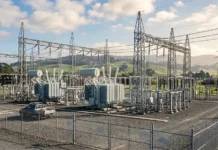
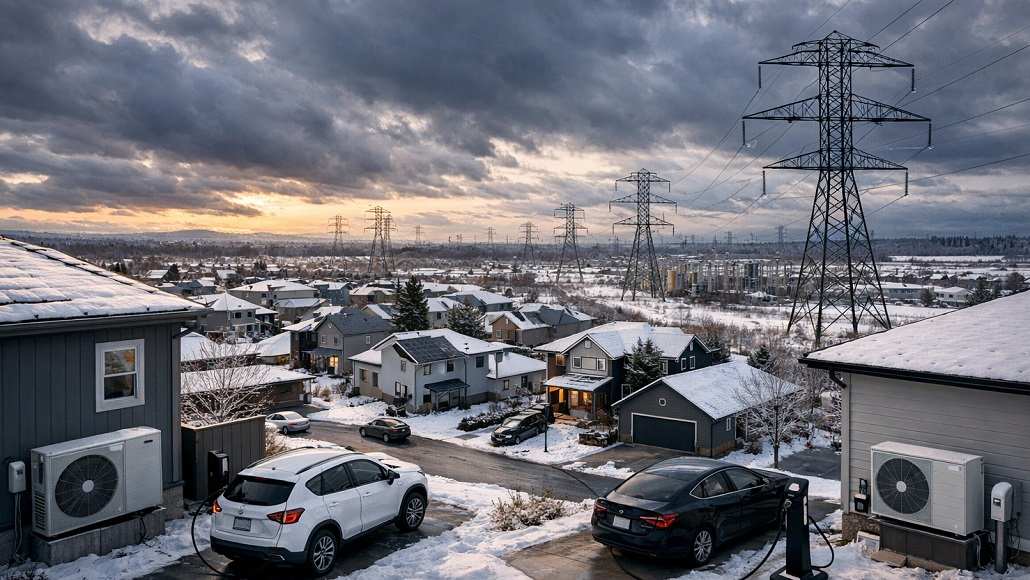
Transmission systems face similar pressures. High-voltage transmission corridors designed decades ago for specified power flows face congestion if required to accommodate significantly increased winter power transfer from generation to consumption centers. Distribution systems—the lower-voltage networks connecting transmission systems to buildings—face perhaps the greatest challenge. Distribution feeders serving residential neighborhoods were designed assuming highly variable demand across many small loads, allowing reasonable diversity factors where not all loads operate simultaneously at full capacity. Widespread electrified heating eliminates much of this diversity. When winter cold arrives, essentially all heat pumps throughout a residential feeder operate near maximum capacity nearly simultaneously, creating demand peaks that distribution equipment was not engineered to handle.
The distributed nature of building-scale thermal loads complicates response options. A centralized power plant can be ramped up or down in response to demand variations. Thousands of buildings simultaneously demanding maximum heating power during cold snaps cannot be collectively controlled with the precision operators maintain for centralized plants. This lack of centralized controllability introduces risk: if demand exceeds available supply during a severe cold event, utilities must shed load through rolling blackouts, creating public health and safety risks particularly acute for vulnerable populations dependent on electrically powered heating.
The financial requirements for this infrastructure expansion are enormous. Preliminary cost analyses for electricity system transformation sufficient to accommodate widespread thermal electrification, even with substantial demand-side flexibility and renewable energy integration, project required infrastructure investments of $200-400 billion annually across developed economies over several decades. These investments come at a time when electricity utilities face profound uncertainty regarding future business models, distributed generation threatening retail electricity sales, and increasingly volatile input costs for conventional generation.
Demand Patterns and Renewable Integration
Thermal electrification also fundamentally alters the relationship between electricity demand and renewable energy supply. Summer cooling demand aligns reasonably well with solar generation availability, both peaking during daylight hours. Winter heating demand, conversely, occurs primarily during darkness, creating a profound mismatch between thermal electrification-driven demand and available renewable supply.
This mismatch is most acute in high-latitude regions receiving minimal daylight during winter. Scandinavian countries with high solar deployment observe extreme imbalances where winter heating demand peaks during evening hours when solar generation approaches zero. The integration of high heating electrification therefore requires either substantial energy storage capacity to shift summer renewable generation to winter use—a technically daunting and economically challenging proposition at required scales—or maintained reliance on nuclear or fossil fuel generation with carbon capture and storage during winter months.
Thermal electrification also introduces novel flexibility challenges. Modern electricity systems maintain stability through relatively constant demand offset by variable generation supply. With thermal electrification, demand itself becomes highly variable, responding to weather patterns rather than behavioral schedules. This demand variability, superimposed on renewable generation variability, creates complex control challenges that fundamentally differ from conventional grid management.
Mitigation Strategies and System Flexibility
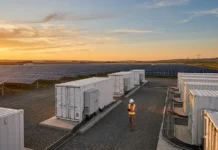
Several strategies can substantially mitigate peak demand challenges created by thermal electrification. Demand-side flexibility represents the most accessible near-term option. Smart thermostats capable of accepting real-time price signals can shift heating demand toward periods of abundant renewable generation or low system demand. Pre-heating or pre-cooling buildings during low-demand periods, allowing indoor temperature to drift modestly during subsequent peak demand periods, reduces instantaneous heating/cooling equipment operation while maintaining occupant comfort. Thermal mass in building structures and dedicated thermal storage systems effectively decouple heating/cooling equipment operation from thermal delivery, enabling substantial load shifting.
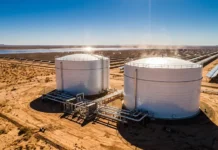
The integration of thermal storage with heat pump systems offers particularly attractive opportunities. Ground-source heat pumps operating with aquifer thermal energy storage or purpose-built thermal storage tanks can operate during off-peak periods when electricity is abundant and inexpensive, then rely on stored thermal energy during peak demand periods. Such strategies can reduce peak demand contributions from heating by 30-50 percent, substantially reducing required infrastructure investments.
District heating and cooling systems operating at scale provide another mitigation pathway, particularly for high-density urban environments. A district system can serve hundreds of buildings from centralized heat sources, enabling aggregated flexibility and superior efficiency compared to dispersed individual heat pumps. By centralizing thermal loads and integrating large-scale thermal storage, district systems can operate flexibly, generating and storing thermal energy during renewable generation abundance or electricity price troughs, then meeting demand during peak periods without corresponding electricity demand spikes.
Vehicle-to-building integration will add another flexibility dimension. As electric vehicle adoption accelerates, the high-capacity batteries in millions of parked vehicles represent distributed energy storage resources available for building thermal flexibility. When vehicles charge during periods of low wholesale electricity prices or high renewable generation, they effectively store energy that can subsequently support building heating and cooling loads, reducing simultaneous electricity demand.
Regional Variability and System Characteristics
The impact of thermal electrification varies significantly across regions based on climate, electricity system composition, grid characteristics, and renewable energy resources. Tropical and subtropical regions face acute challenges from cooling electrification but minimal heating electrification impacts. Temperate regions experience both heating and cooling challenges with seasonal variation. High-latitude regions face overwhelming winter heating demand with minimal renewable generation availability during those periods, complicating mitigation strategies.
Electricity systems with high renewable penetration face distinct challenges compared to systems still dominated by conventional generation. In systems relying primarily on hydroelectric power, thermal electrification’s demand variability can be accommodated through sophisticated hydroelectric dispatch strategies. In systems with predominant fossil fuel generation, electrified thermal loads can be balanced against conventional generation flexibility. In systems transitioning to high wind and solar penetration, thermal electrification’s mismatch with renewable availability becomes the central grid operation challenge.
The Critical Decade Ahead
The coming decade will determine whether thermal electrification can proceed at rates required for climate mitigation without creating grid reliability or affordability crises. Success requires simultaneously addressing multiple challenges: accelerating renewable energy deployment to supply new thermal electrification demand, investing in generation and transmission infrastructure ahead of load growth materialization, developing and deploying demand-side flexibility technologies at scale, establishing regulatory frameworks rewarding flexibility provision, and maintaining electricity system reliability during the transition period.
Many electricity systems currently lack adequate institutional capacity, regulatory frameworks, and capital resources to execute this complex simultaneous transformation. Several regions have experienced instructive failures—instances where thermal electrification deployed faster than supporting infrastructure, creating peak demand crises requiring expensive emergency measures. These cautionary examples underscore the critical importance of coordinated energy and electricity planning rather than allowing thermal transitions to proceed without corresponding grid modernization.
Electrification as Foundational Energy Transition
Thermal electrification is not optional if humanity is to achieve climate mitigation goals. The elimination of carbon emissions from heating and cooling requires that these vast energy services transition to electrified delivery. This transition, however, represents one of the most significant electricity system challenges developed and developing economies will face over coming decades. It demands not simply deployment of heat pump equipment but comprehensive electricity system transformation encompassing generation, transmission, and distribution infrastructure; demand-side flexibility technologies and behavioral adaptation; renewable energy integration at scales previously considered implausible; and energy storage deployment exceeding historical deployment rates by orders of magnitude.
The electricity systems that successfully navigate thermal electrification will be those that proactively plan for this transition, invest in necessary infrastructure ahead of peak demand crises, and develop the regulatory frameworks enabling flexible demand-side participation. Those that neglect this planning will face escalating electricity costs, system reliability challenges, and the prospect of delayed climate progress. The transformation has already begun; the critical question is whether infrastructure and policy adaptation can maintain pace.