













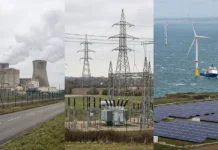

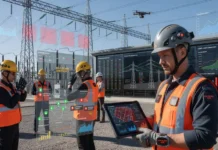
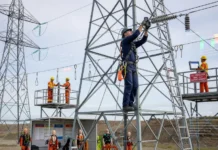
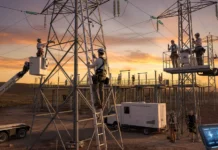







The construction and maintenance of high-voltage energy assets are tasks that leave little room for error. In this environment, the philosophy of risk prevention power infrastructure safety is the most effective defense against catastrophic failure. Instead of simply responding to accidents as they occur, a modern safety organization focuses on identifying and neutralizing hazards before they can result in harm. This preventive mindset is built on a foundation of rigorous planning, engineering controls, and human performance principles that together create a resilient safety system. As the demand for reliable energy continues to grow, the adoption of comprehensive risk prevention power infrastructure safety strategies is becoming a defining characteristic of top-performing utility companies and contractors.
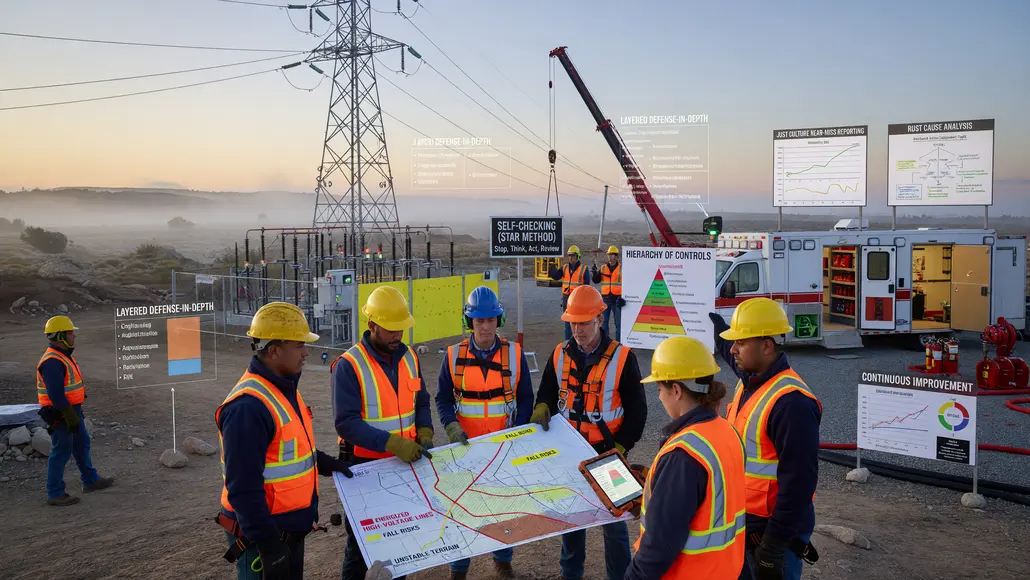
At its core, risk prevention power infrastructure safety is about creating layers of protection that can withstand individual failures. This “defense-in-depth” approach recognizes that no single safety measure is perfect. By layering engineering solutions, administrative controls, and personal protective equipment, organizations can ensure that a single mistake or equipment failure does not lead to a serious incident. The integration of risk prevention power infrastructure safety into the entire lifecycle of a project from the initial design phase to decommissioning is what separates a world-class safety program from one that merely meets minimum standards. This commitment to prevention is the most reliable path to a zero-incident workplace in the energy sector.
Pre-Job Planning and Comprehensive Hazard Analysis
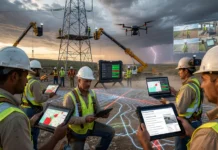
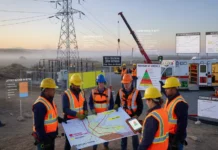
One of the most critical components of risk prevention power infrastructure safety is the work that happens before a single tool is ever touched. Thorough pre-job planning and Job Hazard Analysis (JHA) are the first lines of defense in identifying potential threats. A well-conducted JHA involves the entire work crew in a systematic review of the tasks at hand, identifying every potential hazard from energized lines and falling objects to environmental risks like heat stress or unstable ground. This collaborative approach to risk prevention power infrastructure safety ensures that the unique perspectives and experiences of every team member are incorporated into the safety plan. When workers are actively involved in the planning process, they are more likely to recognize and respect the controls that are put in place.
Furthermore, industrial safety planning for large-scale power projects must account for the logistical complexities of working in remote or urban environments. This includes the development of clear emergency response plans, the staging of specialized equipment, and the coordination with local utilities and emergency services. By anticipating potential roadblocks and preparing for contingencies, risk prevention power infrastructure safety strategies can prevent a minor complication from escalating into a major crisis. This proactive preparation builds a sense of confidence and focus among the workforce, allowing them to execute their technical tasks with greater precision and security.
The Hierarchy of Controls and Engineering Interventions
In the pursuit of risk prevention power infrastructure safety, the industry relies heavily on the “Hierarchy of Controls” as a guide for decision-making. This framework prioritizes the most effective methods of hazard reduction, beginning with elimination and substitution, followed by engineering controls, administrative actions, and finally, personal protective equipment. For example, risk prevention power infrastructure safety can be achieved by de-energizing a circuit whenever possible, which completely eliminates the electrical hazard. When de-energization is not feasible, engineering controls like insulating barriers, remote-controlled switching, and automated grounding systems provide a physical layer of protection that does not rely on human memory or behavior.
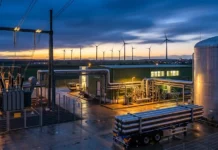
Engineering interventions are especially vital in the design of substations and transmission towers. Incorporating permanent fall protection anchors, safe-climb systems, and clear approach distance markings into the infrastructure itself is a powerful form of risk prevention power infrastructure safety. These built-in safety features ensure that the environment is inherently safer for the maintenance personnel who will work on these assets for decades to come. By investing in high-quality hazard control systems during the construction phase, utility companies can significantly reduce their long-term risk profile and operational costs. This long-term view of safety is a hallmark of sophisticated energy sector safety management.
Human Performance and the Management of Error
While technology and engineering provide the physical framework for safety, the human element remains a critical factor in risk prevention power infrastructure safety. Human Performance (HU) principles acknowledge that even the most skilled and dedicated professionals are capable of making mistakes. Therefore, a robust safety system must be designed to accommodate human error without resulting in an accident. Risk prevention power infrastructure safety strategies include “error-prevention tools” such as two-way communication, self-checking (STAR: Stop, Think, Act, Review), and the “three-way communication” protocol for critical switching operations. These simple but effective techniques create pauses in the workflow that allow for verification and the identification of potential errors before they are executed.
Creating a “just culture” is another vital aspect of risk prevention power infrastructure safety. In a just culture, workers are encouraged to report near-misses and errors without fear of retribution, provided they were not caused by gross negligence or intentional violations. This open flow of information is essential for identifying hidden risks and learning from past mistakes. By treating every near-miss as a free lesson, organizations can strengthen their risk prevention power infrastructure safety protocols and prevent similar incidents from occurring in the future. This focus on learning rather than blaming fosters a high-trust environment where safety is truly a shared value.
Continuous Improvement and Incident Analysis
The final piece of the risk prevention power infrastructure safety puzzle is the commitment to continuous improvement. No safety program is ever complete; it must evolve along with new technologies, changing regulations, and the lessons learned from field operations. Rigorous incident analysis, including root cause investigations, is a vital tool for refining risk prevention power infrastructure safety strategies. When an incident or a high-potential near-miss occurs, safety professionals must look beyond the immediate cause to identify the underlying organizational or systemic factors that contributed to the event. Was there a breakdown in communication? A lack of specific training? A failure in equipment maintenance?
By addressing these root causes, organizations can build more robust risk prevention power infrastructure safety systems that are better equipped to handle the complexities of the modern energy grid. Sharing these lessons across the industry through safety forums and collaborative groups further enhances the collective knowledge of the sector. In conclusion, the pursuit of risk prevention power infrastructure safety is a continuous journey of vigilance, innovation, and learning. By prioritizing prevention at every level, the power industry can continue to deliver the energy our world depends on while ensuring that every worker returns home safely. Through a relentless focus on planning, engineering, and human performance, we can build a future where power infrastructure is synonymous with safety excellence.