

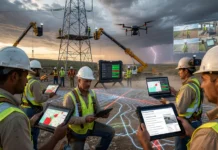















In the high-stakes world of energy transmission and distribution, the ability to operate safely at extreme elevations is more than a regulatory requirement it is a critical driver of economic performance. The prevailing myth that safety protocols are a hindrance to speed is being systematically dismantled as the industry realizes that safer work at heights power sector initiatives actually accelerate project timelines. When workers are equipped with the best possible fall protection and are trained to use it with instinctive precision, they are able to perform complex technical tasks with greater focus and less physical fatigue. This synergy between protection and performance is what makes safer work at heights power sector a fundamental pillar of modern utility management.
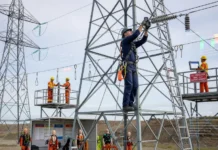
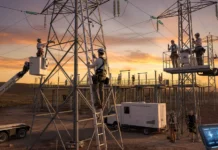
The connection between safety and productivity is deeply rooted in the psychology of the modern lineman. When a technician is perched hundreds of feet above the ground on a lattice tower or a high-voltage conductor, the perceived level of risk has a direct impact on their cognitive load. A worker who feels vulnerable is more likely to be distracted by their surroundings, leading to slower decision-making and a higher frequency of errors. Conversely, by implementing safer work at heights power sector protocols, organizations are providing a psychological foundation of security. This confidence allows the worker to dedicate their full mental resources to the job at hand, resulting in higher quality workmanship and a more efficient execution of tasks. This focus on “safe speed” is the hallmark of a high-performance power sector culture.
Ergonomics and the Physical Multiplier of Safety
The physical demands of scaling transmission assets are immense, and the long-term impact of this strain can significantly reduce workforce efficiency over time. Modern safer work at heights power sector solutions address this challenge through the integration of ergonomic design into every piece of personal protective equipment. Lightweight, high-strength harnesses with breathable padding and multiple adjustment points allow for a custom fit that reduces the physical toll on the human body. By minimizing pressure points and improving weight distribution, these fall protection solutions enable linemen to stay in the air for longer durations without experiencing the debilitating cramps or circulation issues that were common in the past.
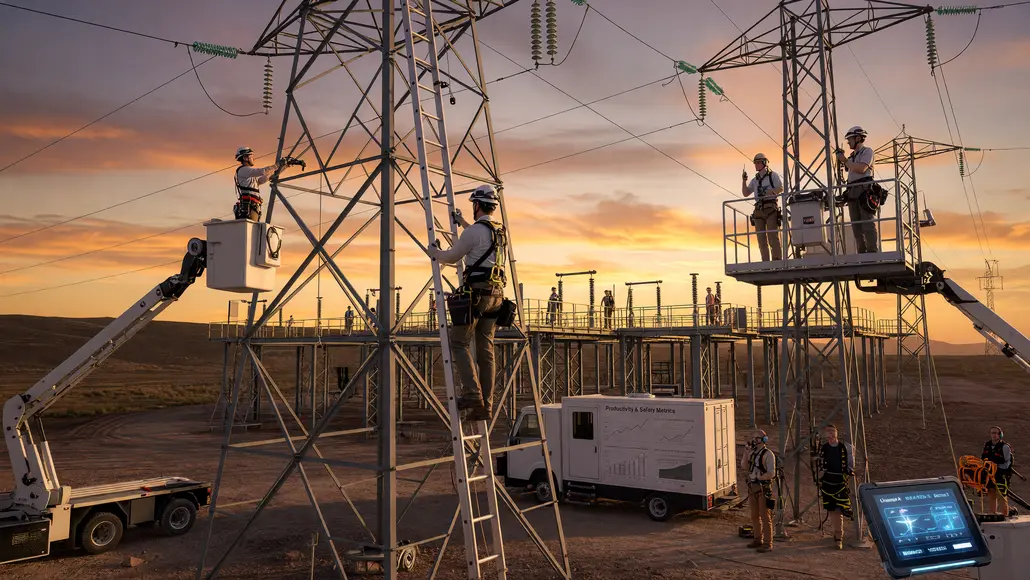
Furthermore, specialized tools designed for work at height, such as battery-powered hydraulic presses and lightweight rigging, have further multiplied the productivity of the workforce. When combined with safer work at heights power sector platforms, such as aerial work platforms (AWPs) and specialized bucket trucks, these tools allow for the rapid completion of tasks that once required hours of manual labor. The ability to position a worker exactly where they need to be, with all their tools at hand and a secure work surface beneath them, is a major advantage for utility projects. This reduction in manual handling and physical exertion is a key component of industrial safety practices that directly translates into a more resilient and productive workforce.
Streamlining Operations through Safety Innovation
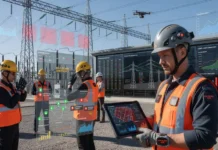
Innovative safety technologies are also streamlining the logistical aspects of energy infrastructure projects. For example, safer work at heights power sector initiatives now utilize integrated tracking and communication systems that allow for better coordination between ground crews and those working aloft. By providing real-time data on worker location and equipment status, project managers can optimize the deployment of resources and minimize the downtime associated with manual inspections or equipment retrieval. This level of operational visibility ensures that every movement on the tower is purposeful and coordinated, reducing the wasted effort that often plagues complex construction projects.
Another significant innovation is the use of permanent safety infrastructure on transmission towers and within substations. By incorporating safer work at heights power sector features like rigid rail systems, ladder safety climbs, and permanent work platforms during the construction phase, utility companies can simplify all future maintenance activities. This “safety by design” approach eliminates the need for time-consuming temporary rigging for routine inspections and repairs, allowing crews to get to work faster and with a significantly lower risk profile. This long-term investment in safety infrastructure is a clear example of how safer work at heights power sector can drive down total lifecycle costs while improving the overall efficiency of the energy grid.
Training for Proficiency and Accelerated Workflows
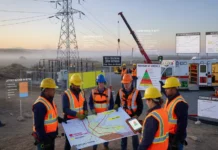
The effectiveness of any safer work at heights power sector program is ultimately determined by the skill and proficiency of the individuals who use it. Comprehensive training programs that emphasize both safety and efficiency are essential for building a high-performance workforce. By utilizing advanced training techniques, such as mobile simulation units and rope access certification, companies can ensure that their teams are experts in the most efficient ways to move and work at height. This high level of technical proficiency allows for faster transitions between work zones and more precise execution of delicate tasks, such as live-line maintenance or insulator replacement.
Furthermore, training for safer work at heights power sector should include a strong focus on team-based rescue and emergency procedures. When every crew member is proficient in rescue techniques, the entire team can operate with a higher degree of independence and confidence. This collective competence reduces the need for constant supervision and allows for more decentralized, agile decision-making in the field. This culture of professional autonomy is a powerful driver of workforce efficiency, as it empowers those closest to the work to identify and implement the most effective and safest methods of task completion.
The Competitive Advantage of a Safety-First Culture
In conclusion, the pursuit of safer work at heights power sector is not a trade-off for productivity it is the very engine that drives it. By creating a secure, ergonomic, and data-driven work environment, utility companies are unlocking the full potential of their human assets. The resulting gains in speed, quality, and morale provide a significant competitive advantage in an increasingly complex energy market. As the industry continues to push the boundaries of what is possible at extreme elevations, the integration of safety and productivity will remain the most reliable path to success. The future of the power sector belongs to those who recognize that the safest way to work is also the most productive way to work. Through the constant refinement of technology, training, and culture, we can continue to reach new heights in energy delivery while keeping our workforce safe, efficient, and empowered.