














The global transition to a renewable-dominated electrical grid is often discussed in the context of lithium-ion batteries and massive pumped hydro facilities. While these are critical components of our energy storage portfolio, another silent giant is emerging as a cornerstone of the 21st-century energy landscape: thermal energy storage. As we integrate increasing amounts of variable wind and solar power, the need for long-duration storage that can balance the grid over days, weeks, or even entire seasons becomes paramount. Thermal Energy Storage in Power System Planning is now recognized as a vital component for maintaining grid stability, optimizing the use of existing physical assets, and ensuring a low-cost energy transition. By decoupling the timing of energy generation from its eventual consumption, thermal storage systems provide a massive, flexible buffer that enhances the overall resilience and reliability of the entire energy ecosystem.
The Diverse Landscape of Thermal Energy Storage Systems
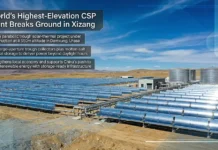
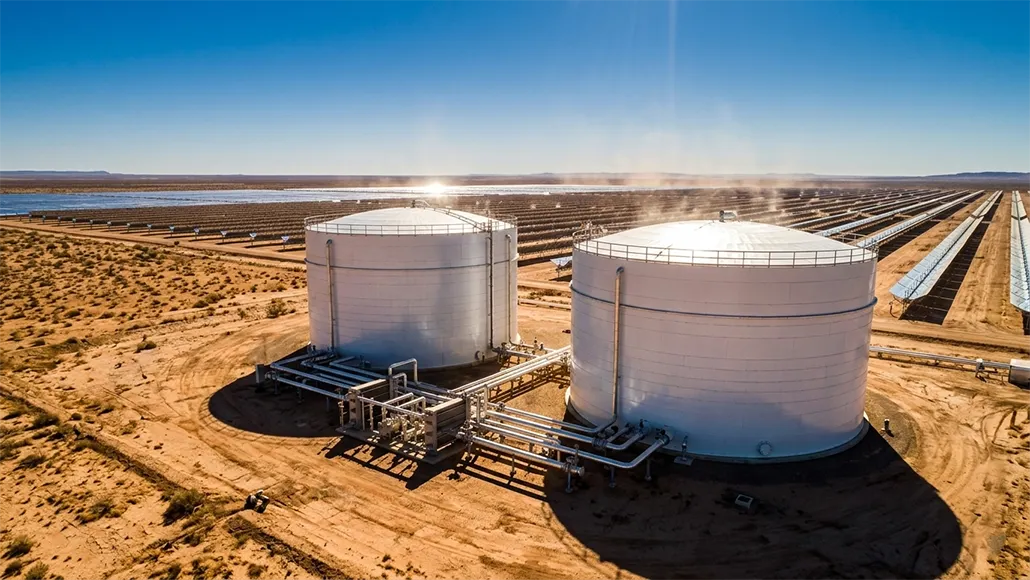
When we discuss thermal energy storage systems, we are referring to a broad and technically diverse spectrum of technologies categorized by how they store heat or cold. The most common and commercially mature is sensible heat storage, which involves heating or cooling a solid or liquid substance like water, molten salt, specialized concrete, or even crushed rocks. For example, Concentrated Solar Power (CSP) plants use massive, insulated tanks of molten salt to store solar energy collected during the day. This allows them to continue generating electricity at full capacity long after the sun has set, providing the “baseload” renewable power that is essential for a stable grid. This is a classic and highly effective application of Thermal Energy Storage in Power System Planning.
Beyond sensible heat, researchers are making significant strides in latent heat storage using Phase-Change Materials (PCMs). These materials absorb or release vast amounts of energy as they transition between physical states, such as from a solid to a liquid. Because they can store much more energy per unit of volume than sensible heat materials, PCMs are ideal for localized applications like building-integrated storage or compact industrial heat recovery. Finally, the frontier of the field is thermochemical storage, which uses reversible chemical reactions to store energy indefinitely with near-zero loss. While still in the development phase, thermochemical systems offer the tantalizing promise of seasonal energy storage, where summer solar heat can be saved for mid-winter heating without the massive insulation requirements of traditional water tanks.
The Role of Strategic Energy Planning in Grid Capacity
Strategic energy planning must account for the increasing complexity of balancing an intermittent supply with a highly dynamic demand. In this context, thermal storage serves as a high-capacity “virtual battery” for the grid. By using excess wind or solar power during periods of oversupply to run large-scale industrial heat pumps, utilities can “charge” massive thermal storage tanks. This stored heat can then be used directly for district heating networks, provided as steam for industrial processes, or even converted back into electricity using a high-efficiency heat engine. This concept, often called the “Carnot Battery,” is a cornerstone of modern grid capacity planning.
One of the most significant advantages of thermal energy storage in power system planning is its extraordinary cost-effectiveness compared to electrochemical batteries for long-duration applications. While lithium-ion batteries are excellent for high-power, short-duration tasks like frequency regulation (balancing the grid in seconds), thermal storage can provide massive amounts of energy over 10 to 100 hours at a fraction of the capital cost. This makes it a critical tool for managing the “dark doldrums” extended periods of low wind and solar output that can last several days. By integrating these systems, planners can avoid the need to overbuild the generation fleet or the transmission network, leading to significant savings for ratepayers.
Enhancing Infrastructure Resilience and Reliability
Resilience the ability of an infrastructure system to withstand, adapt to, and rapidly recover from unexpected shocks is a top priority for modern power system planning. Thermal energy storage systems contribute to infrastructure resilience by providing a localized and highly reliable source of energy that is independent of the immediate state of the electrical grid. For instance, a hospital or a data center equipped with a large-scale chilled water storage tank can continue to provide essential cooling for critical equipment and patients even if the main electrical supply is interrupted for several hours. This “passive” reliability is a major advantage of thermal systems over complex electronic storage solutions.
From a system-wide perspective, Thermal Energy Storage in Power System Planning improves energy system reliability by significantly reducing the peak load on the electrical grid. By shifting the massive thermal demand of modern cities such as space heating in winter and air conditioning in summer away from the peak hours of electrical demand, we can avoid the need to fire up expensive and carbon-intensive “peaker” plants. This capacity optimization not only reduces total system carbon emissions but also lowers the overall cost of electricity. In regions with high cooling loads, like the Middle East or the Southern United States, ice storage systems are already a mature and indispensable tool for managing the summer electrical peak and preventing grid overloads.
District Heating Storage: The Urban Energy Buffer
In many European and North American cities, existing district heating networks are being transformed into massive urban energy buffers. Large-scale thermal pits or “energy wells,” which can store millions of gallons of hot water, provide a seasonal buffer for the entire city’s energy needs. Integrating these massive assets into Thermal Energy Storage in Power System Planning allows for a more holistic and efficient approach to urban energy management. When wind power is abundant and electricity prices are near zero, it can be used to heat the district network; when wind is scarce, the stored heat is released, reducing the need for electric heating or back-up gas boilers.
This integration is a prime example of strategic energy planning. It allows municipal utilities to participate in the electricity market as a “flexible load,” providing critical “ancillary services” that keep the grid stable. The inherent thermal inertia of these large-scale water networks provides a natural stabilizing effect on the grid’s frequency, making them an essential part of the modern energy transition infrastructure. As we move toward smarter cities, the digital coordination between these thermal buffers and the electrical grid will become increasingly sophisticated, using AI to predict demand and optimize energy flows.
Capacity Optimization and Long-Term Economic Viability
The economic case for thermal storage is becoming increasingly compelling as the “price spread” between peak and off-peak electricity continues to grow in markets with high renewable penetration. In some regions, electricity prices can frequently drop to zero or even turn negative during periods of solar oversupply. Thermal Energy Storage in Power System Planning allows asset owners to “arbitrage” these price differences, buying energy when it is essentially free and using it to displace expensive fuel purchases during peak hours. This arbitrage not only makes the individual project profitable but also benefits the entire system by creating a floor for electricity prices and encouraging further renewable investment.
Furthermore, thermal storage can significantly defer or even eliminate the need for traditional grid capacity planning investments. Instead of building a new, multi-billion-dollar transmission line to meet a growing peak demand in a specific district, a utility can install a localized thermal storage unit to “shave” that peak locally. This “non-wires alternative” can save millions of dollars in capital expenditure while providing a more flexible and decentralized solution that is easier to permit and faster to deploy. As regulatory frameworks evolve to better recognize and reward this flexibility, the global deployment of thermal storage is expected to accelerate dramatically over the next decade.
Overcoming the Technical and Spatial Challenges
Despite its many advantages, the mass deployment of thermal storage faces several hurdles that require ongoing innovation. The first is the issue of spatial constraints. Large-scale sensible heat storage, such as thermal pits, requires significant land area, which is at a premium in densely populated urban centers. Developing high-density storage materials, like advanced PCMs or thermochemical systems, is critical for overcoming this physical barrier. The second challenge is the efficient integration with existing industrial processes, which often require high-temperature heat that is more difficult and expensive to store than the low-temperature heat used for space heating.
Additionally, the “round-trip efficiency” of converting electricity to heat and then back to electricity is generally lower (typically 40-60%) than that of lithium-ion batteries (85-90%). However, when the stored energy is used directly as heat (Power-to-Heat), the efficiency is nearly 100%. This is why the integration of thermal storage in power system planning is most effective when it is part of a multi-energy system that considers both thermal and electrical needs simultaneously. By focusing on the total energy efficiency of the system rather than just the electrical efficiency, thermal storage becomes the clear winner for a wide range of urban and industrial applications.
Conclusion: The Thermal Foundation of the Future Grid
As we look toward a carbon-neutral 2050, the role of thermal energy storage in the global energy mix will be foundational. It is the critical “glue” that can hold together a fragmented and intermittent renewable energy system, providing the necessary long-duration storage and grid capacity planning that chemical batteries alone cannot provide. By treating heat and cold as valuable energy assets rather than mere waste products, we can build a significantly more efficient, more resilient, and more affordable power system.
The ongoing wave of innovation in thermal energy storage systems from high-temperature molten salts for industrial steam to modular PCM units for residential smart homes is a testament to the creativity and persistence of the engineering community. Thermal Energy Storage in Power System Planning is no longer an optional or secondary consideration; it is a fundamental requirement for a stable and sustainable energy future. By embracing these thermal technologies and integrating them into our strategic energy planning, we are building a grid that is truly resilient, truly efficient, and truly fit for the challenges of the 21st century.