

















Close
MCE 2026
World Hydrogen & Carbon Americas

Two JV firms formed to operate coal-fired thermal power plants in Fukushima, Japan

Note* - All images used are for editorial and illustrative purposes only and may not originate from the original news provider or associated company.

Subscribe

- Never miss a story with notifications

- Gain full access to our premium content

- Browse free from any location or device.

Media Packs

Expand Your Reach With Our Customized Solutions Empowering Your Campaigns To Maximize Your Reach & Drive Real Results!

– Access the Media Pack Now

– Book a Conference Call

Leave Message for Us to Get Back

Related stories

Heat Pumps as Strategic Grid Assets Enabling Renewable Integration and Stability

Modern heat pumps have evolved beyond efficiency technologies to become strategic grid assets capable of providing demand flexibility, load shifting and seasonal balancing. Discover how large-scale heat pump deployment supports renewable integration and grid stability.

Electrification of Heating and Cooling: Reshaping Global Electricity Demand

The rapid electrification of heating and cooling systems is fundamentally transforming electricity demand patterns worldwide. Explore how thermal electrification impacts peak loads, grid infrastructure, and long-term power generation planning in the transition to decarbonized energy systems.

The Growing Role of Demand-Side Flexibility in Renewable Grids

Modern electricity grids face unprecedented challenges as renewable energy penetration increases. Demand-side flexibility and automated demand response have emerged as operational tools equal in importance to generation reserves, fundamentally transforming how utilities maintain grid reliability while integrating variable renewable sources.
- Advertisement -

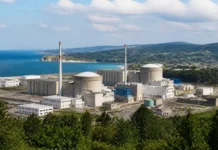
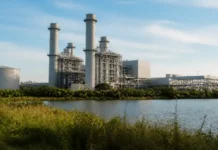
Mitsubishi Corporation Power, Mitsubishi Heavy Industries, Mitsubishi Electric Corporation, Tokyo Electric Power, and Joban Joint Power have established joint ventures Nakoso IGCC Power GK and Hirono IGCC Power GK for the construction and operation of coal-fired power plants in Fukushima, Japan.

Approvals gained by Tokyo Electric Power and Joban Joint Power following the environmental impact assessment were transferred to the newly established companies.In addition, the total cost of the project surpasses JPY300bn ($289m) and a certain portion will be financed by the five participating companies.

The remainding costs will be secured from several domestic financial institutions including The Bank of Tokyo-Mitsubishi UFJ, Development Bank of Japan, Mizuho Bank, Sumitomo Mitsui Banking Corporation, and Fukushima’s The Toho Bank.

In 2015, the five companies entered into a basic-agreement and have since been working out the details for a start-up of operations during the early 2020s.

In the future, Nakoso IGCC Power and Hirono IGCC Power will each set up and operate a 540MW plant, one next to Joban Joint Power Nakoso Power Station in Iwaki City and the other at the site of TEPCO Fuel & Power Hirono Thermal Power Station in the Futaba district.

The new facilities will utilise next generation clean coal technology based on the integrated coal gasification combined cycle.Operation of the Nakoso plant is expected to start in September 2020 while the Hirono plant is expected in September 2021.

Latest stories

Related stories

Heat Pumps as Strategic Grid Assets Enabling Renewable Integration and Stability

Modern heat pumps have evolved beyond efficiency technologies to become strategic grid assets capable of providing demand flexibility, load shifting and seasonal balancing. Discover how large-scale heat pump deployment supports renewable integration and grid stability.

Electrification of Heating and Cooling: Reshaping Global Electricity Demand

The rapid electrification of heating and cooling systems is fundamentally transforming electricity demand patterns worldwide. Explore how thermal electrification impacts peak loads, grid infrastructure, and long-term power generation planning in the transition to decarbonized energy systems.

The Growing Role of Demand-Side Flexibility in Renewable Grids

Modern electricity grids face unprecedented challenges as renewable energy penetration increases. Demand-side flexibility and automated demand response have emerged as operational tools equal in importance to generation reserves, fundamentally transforming how utilities maintain grid reliability while integrating variable renewable sources.

How Renewable Electricity Powers Continuous Thermal Systems

The integration of renewable electricity into thermal energy systems—heating, cooling, and hot water—requires sophisticated technical solutions including thermal storage, hybrid system configurations, and intelligent dispatch algorithms. These innovations enable renewable power to reliably serve round-the-clock thermal demands while maintaining the system reliability that modern buildings and industries require.

Subscribe

- Never miss a story with notifications

- Gain full access to our premium content

- Browse free from any location or device.

Media Packs

Expand Your Reach With Our Customized Solutions Empowering Your Campaigns To Maximize Your Reach & Drive Real Results!

– Access the Media Pack Now

– Book a Conference Call

Leave Message for Us to Get Back

Translate »