





Close
MCE 2026
World Hydrogen & Carbon Americas

Climate fund targets $2.5 bln in clean energy investment for SE Asia

Note* - All images used are for editorial and illustrative purposes only and may not originate from the original news provider or associated company.

Subscribe

- Never miss a story with notifications

- Gain full access to our premium content

- Browse free from any location or device.

Media Packs

Expand Your Reach With Our Customized Solutions Empowering Your Campaigns To Maximize Your Reach & Drive Real Results!

– Access the Media Pack Now

– Book a Conference Call

Leave Message for Us to Get Back

Related stories

Carbon Pricing and Its Long-Term Impact on Power Generation Economics

The implementation of robust carbon pricing mechanisms is fundamentally altering the financial landscape of the energy sector. By internalizing the environmental costs of emissions, these policies are shifting the competitive advantage from fossil fuels to low-carbon alternatives, reshaping investment strategies, and redefining the long-term economic viability of power generation technologies globally.

Repurposing Legacy Power Infrastructure for Low-Carbon Energy Networks

The transition to a sustainable energy future does not require the wholesale destruction of existing systems. By creatively repurposing legacy power infrastructure for low-carbon energy networks, nations can accelerate the deployment of hydrogen and carbon capture technologies while significantly reducing the capital expenditure and environmental impact associated with building entirely new transmission and storage systems.

Balancing Grid Reliability with Deep Power Sector Decarbonisation

Maintaining a constant and reliable flow of electricity while transitioning away from traditional fossil fuels represents one of the greatest engineering feats of the modern era. This analysis explores the strategic deployment of flexible assets and the integration of carbon-neutral firm power to ensure that sustainability goals do not compromise the fundamental stability of the global energy network.
- Advertisement -

A new climate fund backed by philanthropic donors is aiming to trigger $2.5 billion of clean energy investment in Southeast Asia and aid the region’s green recovery after the coronavirus.

The South East Asia Clean Energy Facility (SEACEF) is managed by Singapore-based Clime Capital, with an initial investment of $10 million and a focus on getting new projects underway in Vietnam, Indonesia and the Philippines.

“We need to mobilise billions to make a meaningful impact on climate change,” said Mason Wallick, Clime Capital’s managing director, who sits on the SEACEF investment committee.

Money is most needed to fill a gap in funding to help early-stage projects get off the ground, he added.

Asia-Pacific, home to two-thirds of the world’s people, is experiencing rising urbanisation, population and economic growth, leaving nations scrambling to provide enough electric power while keeping promises to cut heat-trapping emissions.

Last year, researchers said Southeast Asian countries must end their reliance on coal power and switch to clean energy, to meet pledges to curb climate change and tackle air pollution.

But the region is struggling to wean itself off abundant, locally produced cheap coal in favour of clean alternatives to burning fossil fuels, the main contributor to climate change.

“Here in Southeast Asia, we have the equivalent of a China in terms of potential emissions,” said Wallick.

“It’s a big market that should be coming up the curve in a more meaningful way to promote renewables now that (they are) economic and can fit within the (power) supply plans for these countries,” he told the Thomson Reuters Foundation.

China is today the world’s biggest emitter of greenhouse gases blamed for global warming.

SEACEF describes itself as a “first-of-its-kind” philanthropic initiative to tackle climate change, focused on the high-risk funding needed to get new clean energy projects up and running.

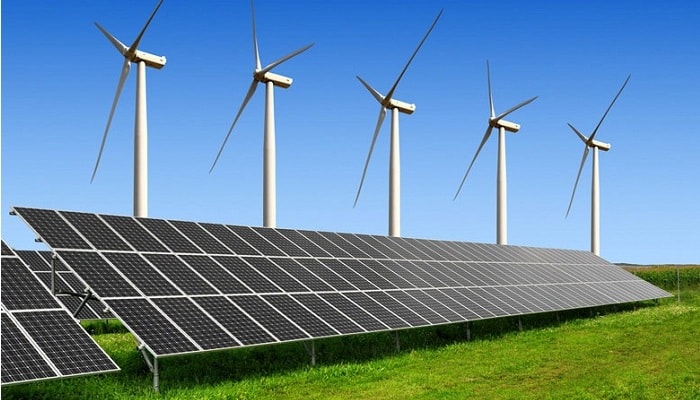
It will look to invest broadly in projects and businesses that include wind and solar power, mains grid infrastructure, energy efficiency in buildings, and electronic mobility and storage, Wallick said.

Early-stage capital is “in very short supply”, a situation exacerbated by the coronavirus pandemic pushing investors to reduce their exposure and limit development budgets, he added.

The fund, which hopes to attract an additional $40 million in capital from foundations and development banks, aims to mobilise more than $2.5 billion in clean energy investment from the private sector.

So far it is backed by Sea Change Foundation International, Wellspring Climate Initiative, High Tide Foundation, Grantham Foundation, Bloomberg Philanthropies, Packard Foundation and Children’s Investment Fund Foundation (CIFF).

“The launch of this new fund comes at a critical moment, with the COVID-19 crisis shrinking traditional sources of finance, dedicated towards bending the curve of climate change,” said Imraan Mohammed, head of impact investing at CIFF.

Philanthropic organisations and impact investors are “stepping up to bridge the gap, catalyse other sources of funding and ensure the transition to clean energy in Southeast Asia continues to accelerate”, he added in a statement.

Latest stories

Related stories

Carbon Pricing and Its Long-Term Impact on Power Generation Economics

The implementation of robust carbon pricing mechanisms is fundamentally altering the financial landscape of the energy sector. By internalizing the environmental costs of emissions, these policies are shifting the competitive advantage from fossil fuels to low-carbon alternatives, reshaping investment strategies, and redefining the long-term economic viability of power generation technologies globally.

Repurposing Legacy Power Infrastructure for Low-Carbon Energy Networks

The transition to a sustainable energy future does not require the wholesale destruction of existing systems. By creatively repurposing legacy power infrastructure for low-carbon energy networks, nations can accelerate the deployment of hydrogen and carbon capture technologies while significantly reducing the capital expenditure and environmental impact associated with building entirely new transmission and storage systems.

Balancing Grid Reliability with Deep Power Sector Decarbonisation

Maintaining a constant and reliable flow of electricity while transitioning away from traditional fossil fuels represents one of the greatest engineering feats of the modern era. This analysis explores the strategic deployment of flexible assets and the integration of carbon-neutral firm power to ensure that sustainability goals do not compromise the fundamental stability of the global energy network.

Risk Management Strategies in Emerging Low-Carbon Power Investments

Investing in the next generation of energy infrastructure requires a sophisticated understanding of the evolving risks associated with technological novelty and regulatory shifts. This discussion outlines the frameworks necessary to mitigate uncertainty in hydrogen and carbon capture projects, ensuring that capital is deployed effectively to achieve both financial returns and global sustainability targets.

Subscribe

- Never miss a story with notifications

- Gain full access to our premium content

- Browse free from any location or device.

Media Packs

Expand Your Reach With Our Customized Solutions Empowering Your Campaigns To Maximize Your Reach & Drive Real Results!

– Access the Media Pack Now

– Book a Conference Call

Leave Message for Us to Get Back

Translate »