









Close
MCE 2026
World Hydrogen & Carbon Americas

EU Green Gas And Nuclear Investment Laws To Get A Final Vote

Note* - All images used are for editorial and illustrative purposes only and may not originate from the original news provider or associated company.

Subscribe

- Never miss a story with notifications

- Gain full access to our premium content

- Browse free from any location or device.

Media Packs

Expand Your Reach With Our Customized Solutions Empowering Your Campaigns To Maximize Your Reach & Drive Real Results!

– Access the Media Pack Now

– Book a Conference Call

– Leave Message for Us to Get Back

Related stories

Carbon Pricing and Its Long-Term Impact on Power Generation Economics

The implementation of robust carbon pricing mechanisms is fundamentally altering the financial landscape of the energy sector. By internalizing the environmental costs of emissions, these policies are shifting the competitive advantage from fossil fuels to low-carbon alternatives, reshaping investment strategies, and redefining the long-term economic viability of power generation technologies globally.

Repurposing Legacy Power Infrastructure for Low-Carbon Energy Networks

The transition to a sustainable energy future does not require the wholesale destruction of existing systems. By creatively repurposing legacy power infrastructure for low-carbon energy networks, nations can accelerate the deployment of hydrogen and carbon capture technologies while significantly reducing the capital expenditure and environmental impact associated with building entirely new transmission and storage systems.

Balancing Grid Reliability with Deep Power Sector Decarbonisation

Maintaining a constant and reliable flow of electricity while transitioning away from traditional fossil fuels represents one of the greatest engineering feats of the modern era. This analysis explores the strategic deployment of flexible assets and the integration of carbon-neutral firm power to ensure that sustainability goals do not compromise the fundamental stability of the global energy network.
- Advertisement -

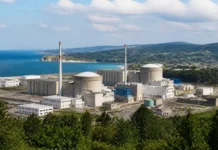
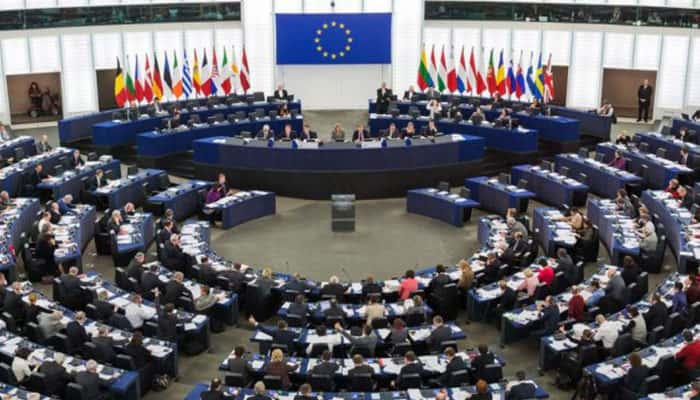
On July 6th, European lawmakers will decide whether to accept or reject ideas that have divided governments and investors about the EU’s aim to identify expenditures on gas and nuclear power plants as climate-friendly. The vote is the last barrier before the European Union decides whether to include the 2 energy sources in its taxonomy, a set of guidelines that determines whether investments can be promoted as sustainable in Europe.

The regulations are intended to prevent greenwashing among the countless so-called eco-friendly items on the market and to direct private finance toward truly eco-friendly projects. They also aim to establish a European standard for sustainability practices.

However, the argument over whether investments may be promoted as green has expanded into a larger political dispute over the types of energies Europe should invest in to combat global warming and replace Russian gas. EU parliamentarians will discuss the gas and nuclear regulations, and on July 6th, they will vote in what authorities anticipate to be a close election. To defeat a proposal, a majority of the 705 members of the European Parliament must oppose it.

Bas Eickhout, a green politician, claimed that the EU proposal would give artificial incentives for investment in gas and nuclear energy, both of which are fossil fuels, at the cost of the sustainable energy needed to quickly reduce carbon emissions. Christian Ehler, a politician for the European People’s Party, said that although the taxonomy’s effect on future investment was not yet obvious, its strict CO2 emission caps and other requirements would guarantee that investments in gas plants comply with climate goals.

Rejection would be a setback for the European Commission, which spent more than a year revising the regulations in the face of fervent government and gas and nuclear industry lobbying. As per Brussels, to receive a green designation, gas and nuclear power facilities must adhere to exacting criteria.

Gas plants would need to adhere to much stricter emission restrictions than those in the Commission proposal, according to critics and the Commission’s advisors, in order to match the significant reductions required to avert severe climate change. In an early 2020 plan, the Commission had proposed a lower emissions cap, but changed its mind in response to criticism from several of the bloc’s 27 member states.

Frans Timmermans, the head of the EU’s climate policy, stated that if he had been left to his own devices, he would have chosen differently about the taxonomy but that the regulations represented the political reality within the union.

Latest stories

Related stories

Carbon Pricing and Its Long-Term Impact on Power Generation Economics

The implementation of robust carbon pricing mechanisms is fundamentally altering the financial landscape of the energy sector. By internalizing the environmental costs of emissions, these policies are shifting the competitive advantage from fossil fuels to low-carbon alternatives, reshaping investment strategies, and redefining the long-term economic viability of power generation technologies globally.

Repurposing Legacy Power Infrastructure for Low-Carbon Energy Networks

The transition to a sustainable energy future does not require the wholesale destruction of existing systems. By creatively repurposing legacy power infrastructure for low-carbon energy networks, nations can accelerate the deployment of hydrogen and carbon capture technologies while significantly reducing the capital expenditure and environmental impact associated with building entirely new transmission and storage systems.

Balancing Grid Reliability with Deep Power Sector Decarbonisation

Maintaining a constant and reliable flow of electricity while transitioning away from traditional fossil fuels represents one of the greatest engineering feats of the modern era. This analysis explores the strategic deployment of flexible assets and the integration of carbon-neutral firm power to ensure that sustainability goals do not compromise the fundamental stability of the global energy network.

Risk Management Strategies in Emerging Low-Carbon Power Investments

Investing in the next generation of energy infrastructure requires a sophisticated understanding of the evolving risks associated with technological novelty and regulatory shifts. This discussion outlines the frameworks necessary to mitigate uncertainty in hydrogen and carbon capture projects, ensuring that capital is deployed effectively to achieve both financial returns and global sustainability targets.

Subscribe

- Never miss a story with notifications

- Gain full access to our premium content

- Browse free from any location or device.

Media Packs

Expand Your Reach With Our Customized Solutions Empowering Your Campaigns To Maximize Your Reach & Drive Real Results!

– Access the Media Pack Now

– Book a Conference Call

– Leave Message for Us to Get Back

Translate »