
























Events Date: 9

High-voltage line between France and Britain begins power transfers

Note* - All images used are for editorial and illustrative purposes only and may not originate from the original news provider or associated company.

Subscribe

- Never miss a story with notifications

- Gain full access to our premium content

- Browse free from any location or device.

Media Packs

Expand Your Reach With Our Customized Solutions Empowering Your Campaigns To Maximize Your Reach & Drive Real Results!

โ€“ Access the Media Pack Now

โ€“ Book a Conference Call

โ€“ Leave Message for Us to Get Back

Related stories

Busan Unveils Nuclear Industry Development Plan to 2030

The metropolitan government of Busan has officially announced a...

Nanoscale Light Upconversion Boosts Solar Cells, Says UNSW

Researchers at the University of New South Wales (UNSW)...

Condition Monitoring Enhancing Power Asset Reliability

The transition from reactive to predictive maintenance is revolutionizing the management of critical electrical infrastructure. By leveraging sensor intelligence and real-time analytics, condition monitoring is enabling operators to identify potential failures before they occur, thereby maximizing uptime and extending the service life of essential power assets in an increasingly demanding energy market.
- Advertisement -

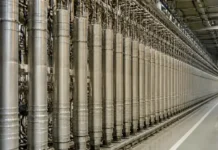
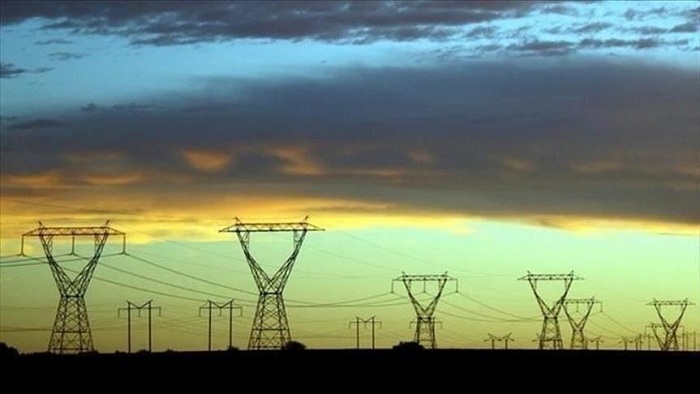
A new high-voltage power line between France and Britain started active power transfers on Monday that will last until the beginning of December, French grid operator RTE said.

The Interconnexion France-Angleterre 2 (IFA-2) is the second direct current connection between France and Britain, increasing the transport capacity by 1,000 megawatts (MW).

Current power transfers range up to 100 MW, Elexon data showed.

“With the testing of a new asset, issues may be identified, and the plan may be modified accordingly,” RTE said on its website on Saturday, adding that they will publish details of planned flows for each following day.

The line was initially scheduled to be in service in the third-quarter of this year and has remained on schedule as of the last update.

Britain already has sub-sea electricity interconnectors linking France, Ireland and the Netherlands, but plans to build several more to increase its supply options as older coal and nuclear plants close.

Under European Union regulations, revenues generated by power transmission operators must be used to guarantee availability and reinvested to increase interconnection capacity.

Power Info Today brings together the global energy industry โ€” from generation and transmission operators to utility executives and energy transition leaders โ€” through trusted editorial, market intelligence, and digital engagement.

Our 2026 Media Pack offers integrated solutions to reach your audience:

  • Magazine & Digital Editions Showcase your brand within premium energy industry coverage read by executives and decision - makers worldwide.
  • Industry Insights & Reports Align with data - driven analysis, trend reports, and regional roundups across the global power and energy value chain.
  • Brand Authority & Credibility Position your company as a thought leader through expert commentary, interviews, and special features.

Latest stories

Related stories

Busan Unveils Nuclear Industry Development Plan to 2030

The metropolitan government of Busan has officially announced a...

Nanoscale Light Upconversion Boosts Solar Cells, Says UNSW

Researchers at the University of New South Wales (UNSW)...

Condition Monitoring Enhancing Power Asset Reliability

The transition from reactive to predictive maintenance is revolutionizing the management of critical electrical infrastructure. By leveraging sensor intelligence and real-time analytics, condition monitoring is enabling operators to identify potential failures before they occur, thereby maximizing uptime and extending the service life of essential power assets in an increasingly demanding energy market.

DC Power Architectures Supporting Future Energy Needs

As our global energy systems transition toward decentralized renewable sources and intensive digital loads, the limitations of traditional AC distribution are becoming increasingly apparent. This comprehensive article explores how modern DC power architectures are eliminating conversion losses and simplifying the integration of solar, storage, and electric mobility, paving the way for a more efficient and resilient future energy infrastructure.

Subscribe

- Never miss a story with notifications

- Gain full access to our premium content

- Browse free from any location or device.

Media Packs

Expand Your Reach With Our Customized Solutions Empowering Your Campaigns To Maximize Your Reach & Drive Real Results!

โ€“ Access the Media Pack Now

โ€“ Book a Conference Call

โ€“ Leave Message for Us to Get Back

Translate ยป